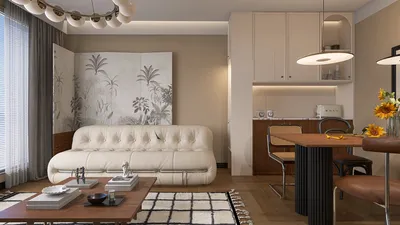


The industrial style is defined by its unapologetic embrace of rawness and functionality, where exposed structural elements and utilitarian materials clash with contemporary living demands. The core design challenge lies in harmonizing the robust, unfinished aesthetics of industrial elements with comfort and spatial coherence. This style thrives on juxtaposition: heavy, often cold metal frameworks paired with warm wooden textures, balanced spatially to avoid clutter or starkness. Achieving this balance requires thoughtful curation and arrangement of furniture that reflects the industrial ethos without overwhelming the space's usability. One must grapple with respecting industrial architecture’s inherent ruggedness while creating inviting environments, avoiding a sterile factory appearance. Spatial proportion is critical; oversized or mismatched industrial pieces can dominate or fracture the room’s flow. Designers must maintain rhythm and alignment between hefty furniture and open spaces. Functionalism also drives material and color choices; surfaces should highlight patina and textures authentically rather than mask them under synthetic décor layers. Moreover, integrating industrial style furniture demands attention to scale and contrast: balancing steel frames and reclaimed wood tops with tactile textiles or carefully selected greenery softens the starkness, creating an immersive experience that feels both raw and thoughtfully refined. Industrial aesthetics invite layering — pipework, concrete finishes, and Edison bulbs, each element contributing to a narrative of past utility married to modern comfort. The challenge extends beyond physical pieces to mood and atmosphere. Lighting has to complement materials without washing away their character. Color palettes favor neutral, muted hues anchored by rich metallic tones but require subtle reinforcement from accent colors to avoid monotony. Finally, accessorizing demands restraint; industrial style is as much about negative space as material richness, so each decorative element must serve functional or visual purpose without excess. Embracing these challenges successfully yields interiors that celebrate industrial heritage while supporting contemporary lifestyles with warmth and coherence, merging history and modernity in every carefully considered detail.
Layout Logic: Space Proportion and Furniture Arrangement
A foundational aspect of industrial design is the choreography of space and furnishings that embody both strength and livability. Start by mapping your room’s dimensions meticulously; proportions dictate how industrial furniture should be arranged to maintain fluid movement and visual balance. Avoid crowding bulky pieces close together; instead leave intentional breathing room reflecting the loft-like origins of industrial style. Focus on establishing clear zones by grouping furniture purposefully. For instance, an industrial-style sofa with metal frames pairs with a raw-wood coffee table placed centrally to anchor the seating area. Ensure pathways remain unobstructed by bulky storage or seating, upholding the style’s emphasis on openness. Scale is paramount. Choose pieces like the "Industrial Style Furniture" range, which offer dimensional harmony with balanced height and mass, preventing any one item from overpowering the space. Contrast heavy materials with open shelving or slender metal-framed chairs to maintain visual lightness. When positioning, mind sight lines and focal points; exposed brick walls or metal beams often serve as architectural highlights needing unobstructed views. Arrange furniture to complement rather than compete with these elements. Lastly, consistency in material selection during layout helps unify the design—pair steel-framed tables with leather-upholstered seating or reclaimed wood surfaces to reinforce the industrial narrative. The goal is an orchestrated ensemble where every furniture piece feels intentionally placed to uphold both style and functional comfort.
Light and Color: Tone Selection and Lighting Pairing
Lighting plays a decisive role in amplifying the raw textures and material authenticity in industrial design. Opt for warm-toned light sources—such as Edison bulbs or filament pendants—to simulate the vintage factory atmosphere, avoiding harsh white fluorescents that strip warmth. Adjustable fixtures including track lighting or wall sconces enable highlighting architectural features and key furniture zones. Natural light should be maximized wherever possible, with window treatments kept simple or raw—like metal blinds or sheer linens—to maintain the industrial aesthetic. Reflective surfaces are generally avoided to preserve matte finishes and tactile material qualities. Color palettes lean toward deeper neutrals—grays, charcoals, and muted browns—allowing the furniture’s metal and wood components to feature prominently. Accent colors should be discreet yet deliberate; olive greens, navy blues, or burnt oranges add depth without diluting the rawness. For walls, consider aged brick, concrete, or plaster textures. When painting is necessary, choose matte finishes that don’t compete but enhance shadows and material inconsistencies. Flooring materials like polished concrete or distressed hardwood contribute to the overall palette while providing durable, textural grounding. Combining lighting and color with these principles creates an ambiance where furniture materials can be appreciated for their rugged beauty, enhancing the authentic industrial feel throughout the space.
Accent Pieces: Small Models Enhancing Overall Texture
Industrial style thrives on a careful curation of small decorative elements that reinforce authenticity without cluttering the visual field. Select accents that echo the industrial narrative: vintage clocks, metal gears, exposed filament lamps, or weathered factory carts repurposed as side tables. Incorporate tactile contrast with textured cushions or throws in natural fibers—such as linen or coarse cotton—to soften steel and wood without undermining the style’s integrity. Consider planters crafted from metal or concrete containing hardy greenery, introducing life and organic texture amid industrial materials. Use open-shelved storage units to display collections of factory-inspired artifacts or leather-bound books, adding layers of personality that resonate with industrial heritage. Avoid over-decoration; each item should serve a purpose or evoke the narrative of reuse and robust utility. Mirrors framed in riveted metal or reclaimed wood contribute to light play while reinforcing material cohesion. Small arts like abstract metal sculptures or black-and-white photography in aged frames offer subtle sophistication. The "Industrial Style Furniture" collection provides these scaled accessory models aligned to the main furniture, ensuring seamless integration and elevating the room’s tactile and visual richness.
Designing the Look
For designers working in Homestyler, the Industrial Style Furniture is a practical shortcut to authenticity. it removes the guesswork from sourcing — every piece is pre-matched in scale, material, and proportion to deliver a coherent industrial result.

dining table-Industrial Style Furniture

pedestal sink-Industrial Style Furniture
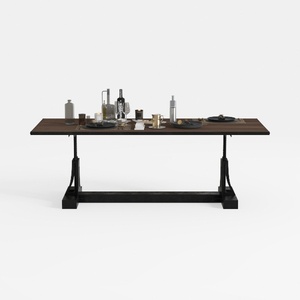
dining table-Industrial Style Furniture

lounge chair-Industrial Style Furniture

pendant light-Industrial Style Furniture

stool-Industrial Style Furniture
FAQ
Q1: How do I balance the heavy metal elements with comfort in an industrial interior?
A1: To maintain comfort alongside metal-heavy furniture, incorporate warm textiles like leather cushions, soft area rugs, or natural fiber throws. Mixing these with wood elements tempers the coldness, creating tactile contrast. Opt for ergonomic furniture shapes and finish textures that invite touch rather than sharp, rigid lines.
Q2: What lighting techniques best showcase industrial furniture features?
A2: Utilize layered lighting—ambient lighting combined with focused accent lights such as track or pendant Edison bulbs. Warm color temperature bulbs emphasize material textures and patina. Position lights to cast shadows that highlight structural elements like exposed beams or rivets. Dimmer switches enable flexible atmosphere control.
Q3: How to choose color schemes to prevent the industrial space from feeling cold or sterile?
A3: Rely on deep, muted neutrals as a primary palette—charcoal, taupe, warm greys—enhanced by accent hues like navy or burnt sienna. Introduce warm wood tones and greenery to break monotony. Avoid overly glossy or bright paints; choose matte, textured finishes to enrich warmth and tactility.
Built on technology originally developed at Autodesk, Homestyler empowers anyone to design beautiful, realistic spaces in minutes. Join over 20 million users who have already discovered a smarter way to plan, visualize, and bring their dream homes to life — all from the comfort of a browser.
Homestyler offers a vast library of furniture and decoration materials to meet all your design needs.
Дизайн сейчас бесплатно
































