

Introduction
Industrial Loft style is a celebration of raw, unpolished aesthetics intersecting with the utilitarian spirit of urban architecture. Emerging from converted warehouses and factory spaces, this style roots itself in honest materiality and structural exposure rather than ornamental excess. The philosophy driving Industrial Loft is anchored in the fusion of functionality and rugged beauty — it embraces the imperfection and patina of aged materials while maintaining an open and flexible spatial arrangement that invites adaptability and creative expression. Its origins lie in the industrial buildings' ability to harness natural light through large steel-framed windows, high ceilings, and open floor plans, turning what was once utilitarian into highly desirable living environments. The style intentionally contrasts the rough with the refined, favoring surfaces like raw brick, concrete, and weathered wood alongside polished metals and sleek leather. This juxtaposition creates a layered narrative of past industrial might meeting contemporary living, emphasizing endurance, authenticity, and a subtle elegance born from elemental honesty rather than decoration.
Core Elements
Material Texture and Palette At the cornerstone of the Industrial Loft aesthetic is a deliberate celebration of robust, tactile materials. Exposed brick walls remain a definitive characteristic, their rugged surface illustrating a history of industrial production while serving as a dramatic backdrop that adds warmth and texture. Concrete, both polished and raw, introduces a cool, minimal element, reinforcing the industrial ambiance without detracting from the overall cohesiveness. Wood, often reclaimed or unfinished, brings an organic counterbalance to metal and concrete, creating a necessary tension that prevents the style from feeling too sterile or cold. The colour palette naturally follows the materials — muted tones dominate, with shades like smoky greys, earthy browns, and black forming a neutral base that anchors the space. Rather than overwhelming with colour, subtle variations in rust, olive, or muted blues occasionally emerge, echoing the patina on aged metal or faded paints and enriching the design narrative through restrained accents.
Structural Expression and Form Industrial Loft style refrains from disguising the bones of a space, instead amplifying structural details as design focal points. In this way, piping, ductwork, and beams become celebrated components rather than hidden infrastructure, contributing dynamic lines and industrial textures. These elements often span across ceilings or walls, creating visual interest and defining spatial zones without the need for physical partitions. Furniture and fixtures reflect this ethos through forms that emphasize simplicity and honest construction — metal frames, exposed fasteners, and sturdy geometries draw attention to craftsmanship and utility. Lighting fixtures are often minimal yet industrial in appearance, such as pendant lights fashioned from aged metals or utilitarian cages enclosing filament bulbs. The overall spatial composition tends toward openness, inviting natural flow between areas and reinforcing the feeling of inhabiting a repurposed, raw space that retains its original character while adapting to modern needs.
Spatial Ambiance and Contrast The functional ruggedness of Industrial Loft spaces is softened by careful manipulation of scale, light, and contrasting textures to maintain a welcoming atmosphere. High ceilings paired with generous windows allow abundant daylight, emphasizing the scale and unadorned nature of the interiors. This airy sense counterbalances the density of heavy materials and helps prevent claustrophobia. A core visual strategy involves juxtaposition: cold metal and concrete are paired with warm wood and leather, rough brick partners with sleek glass or metal accents. Textiles, such as worn leather upholstery or woven fabrics, introduce tactile warmth that tempers the rawness without undermining the industrial theme. Accessories tend to be minimal and purposeful, often vintage or reclaimed objects that underscore the narrative of reuse and authenticity. Together these elements orchestrate an ambiance that is both stark and inviting — impersonal enough to underscore industrial roots but thoughtfully curated to accommodate comfort and human scale.
Designing the Look
Homestyler’s ‘Industrial Loft’ offers a comprehensive set of ready-to-use 3D models specifically curated to embody this aesthetic, allowing designers to achieve authentic results with professional-grade textures and forms. Integrating this model pack into interior design workflows significantly streamlines the conceptualization and visualization phases, especially when aiming to capture the raw elegance of Industrial Loft style. By utilizing high-fidelity components such as exposed brick walls, steel beams, and vintage light fixtures, professionals can create immersive digital environments that reflect the characteristic openness and material interplay fundamental to the style. This practical resource enriches creative possibilities by enabling flexible spatial arrangements and showcases how varying material textures harmonize within an open loft layout. The set’s meticulous attention to detail facilitates the presentation of credible design proposals to clients who value accuracy and style fidelity. Incorporating the model pack into client presentations or design development also supports seamless communication of spatial concepts reliant on industrial forms, ensuring a clear understanding of how each element contributes to a coherent, ruggedly refined atmosphere.

Minimalist Fabric Metal Ottoman 3D Model

Vintage Printed Metal Bottle Cap Magnets 3D Model

Minimalist Solid Walnut Wood Platform Bed with Striped Bedding 3D Model

Vintage Industrial Rustic Metal Gear Wall Clock 3D Model

Vintage Rustic Solid Wood Decorative Single Door 3D Model
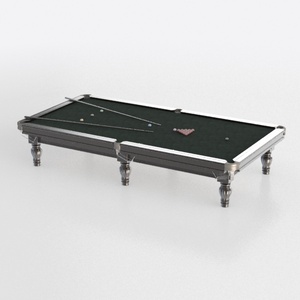
Classic Vintage Metal Wood Frame Pool Billiard Table 3D Model
FAQ
Q: What are essential materials to achieve an authentic Industrial Loft look?
The essence of Industrial Loft lies in materials that showcase their natural texture and history. Key materials include exposed brick, raw or polished concrete, reclaimed wood, and metal elements such as iron or steel. These surfaces should not be overly finished; instead, they benefit from showing signs of wear or construction details like beam rivets and visible welds. Combining these materials creates the balanced contrast and tactile richness that define the style.
Q: How can I introduce warmth into an Industrial Loft space without compromising its aesthetic?
Introducing warmth involves layering softer elements into the otherwise stark material palette. Textiles such as leather, wool, or linen in muted earth tones can soften a space while maintaining industrial authenticity. Wooden furniture with rich grains, warm lighting—particularly bulbs that mimic incandescent light—and select vintage accessories provide human scale and comfort without detracting from the utilitarian framework.
Q: Can Industrial Loft style be adapted for smaller residential spaces?
Yes, though Industrial Loft is traditionally associated with expansive warehouse conversions, its principles translate well to small apartments through scale modulation. Key strategies involve maintaining an open floor plan where possible, utilizing vertical space, and selectively exposing structural elements like brick or pipes. Furniture should be streamlined and multifunctional to maximize usability. Emphasis on texture and material interplay can create the desired aesthetic without requiring large expanses, making the style accessible for urban dwellers in compact homes.
What began as an Autodesk innovation has evolved into a design platform used by more than 18 million people around the globe. Homestyler combines powerful rendering, an intuitive editor, and a vast furniture library to help you turn inspiration into photorealistic designs — whether you're redesigning a single room or planning an entire home.
Design your ideal space with Homestyler, turn your creativity into reality, and craft a unique home style that is truly your own.
Design jetzt kostenlos
































