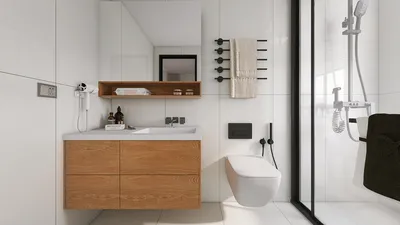


Industrial Loft style embodies a rugged yet refined aesthetic, balancing raw structural elements with sleek industrial finishes. This discipline embraces exposed brick walls, weathered metals, and vast open spaces, translating the essence of urban warehouse conversions into residential comfort. The core design challenge lies in harmonizing the heavy, sometimes cold industrial materials with warmth and livability. Unlike styles that rely on symmetry or ornate features, Industrial Loft demands an intuitive dialogue between unfinished textures and functional utility. Key to this equilibrium is ensuring that raw elements do not overwhelm but rather coexist with softer furnishings, creating a space that feels both grounded and inviting.
The style’s juxtaposition of old and new introduces tension that must be carefully managed. For every exposed steel beam or concrete floor, there needs to be balance through contrasting materials like aged leather, natural wood, or plush textiles. It also requires selective decluttering — this aesthetic thrives on spaciousness, highlighting architectural components rather than filling every corner with furniture or decor. The spatial economy demands careful curation where every choice contributes to the loft’s industrial character while promoting comfort and usability.
Another challenge is the scale. Large open floor plans typical of Industrial Lofts make furnishing decisions both exciting and complex. The space invites oversized pieces and statement lighting, but improper scale can quickly disrupt flow or intimacy. Incorporating modular or multi-functional furniture allows adaption without diluting the industrial authenticity.
Layout Logic — Space Proportion and Furniture Placement
Start by embracing the loft’s volumetric openness; avoid overcrowding areas with too many furnishings. Rather than adhering to traditional room divisions, consider defining zones through furniture arrangement. Large, sturdy sofas with leather or metal frames work well as anchors in living zones, paired with airy metal-framed coffee tables to maintain flow. Use industrial shelving or steel-framed room dividers to subtly delineate spaces without cutting off light or sightlines.
Pay attention to the scale contrast between sturdy industrial pieces and more delicate textiles or decorative elements. Retain open floor ratios by selecting fewer large, multifunctional items rather than many small ones. Position key furniture pieces perpendicular to exposed structural details like support beams to enhance the architectural narrative.
Optimizing circulation paths is crucial given the large footprint—ensure clear walkways free from obstruction by oversized furniture. A well-placed industrial dining table combined with metal-framed chairs can act as a natural break between kitchen and living areas, capitalizing on functional flow while reinforcing style.
Light and Color — Tone Selection and Illumination Strategy
The Industrial Loft atmosphere emerges from a sophisticated interplay of color palettes and lighting. Base colors rely heavily on muted neutral tones such as charcoal grays, soot blacks, and natural browns with occasional rusty reds or deep blues to echo industrial patinas. Keep wall finishes matte or slightly textured to convey rawness without gloss.
Lighting should amplify openness while supporting warmth. Layer light sources by combining exposed filament bulbs with metal pendant lamps and adjustable floor lamps. Incorporate indirect lighting such as LED strip lights along shelving or behind architectural features to soften the harshness of exposed concrete or brick.
Daylight plays an important role; retain large industrial-style windows without heavy drapery to maximize natural light flow. Where privacy is necessary, choose translucent linen shades that complement the color scheme. For nighttime, warm color temperatures between 2700K and 3000K simulate the cozy undertone industrial spaces crave.
Accent Details — Small Models Enhancing Overall Texture
The Industrial Loft achieves authenticity through carefully selected accent details. Small sculptural models like vintage typewriters, antique telephones, or repurposed mechanical parts inject character and story. Choose decor with a tactile presence, such as wrought iron candle holders or tin wall art, that invites touch and visual interest.
Use industrial-style bookends, metal trays, and concrete planters to add practical yet sculptural elements on shelves and tables. These items contrast with softer materials like textured throw pillows or woven rugs, enhancing the layered look without clutter.
Greenery should be sparse but deliberate—opt for hardy plants in blackened steel pots or distressed wooden crates to continue the rugged narrative. Avoid overtly polished objects; instead, favor pieces with historical wear, patina, or imperfect finishes that affirm the industrial ethos.
Designing the Look
For designers working in Homestyler, the Industrial Loft is a practical shortcut to authenticity. It removes the guesswork from sourcing — every piece is pre-matched in scale, material, and proportion to deliver a coherent industrial loft result.

Minimalist Fabric Metal Ottoman 3D Model

Vintage Printed Metal Bottle Cap Magnets 3D Model

Minimalist Solid Walnut Wood Platform Bed with Striped Bedding 3D Model

Vintage Industrial Rustic Metal Gear Wall Clock 3D Model

Vintage Rustic Solid Wood Decorative Single Door 3D Model
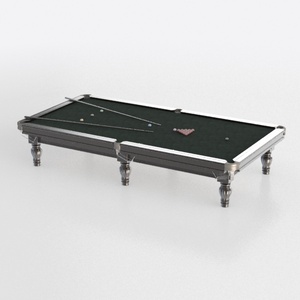
Classic Vintage Metal Wood Frame Pool Billiard Table 3D Model
FAQ
Q: How can I maintain warmth in an Industrial Loft without compromising its raw aesthetic?
Start by layering textures: introduce soft textiles like wool throws and linen cushions to complement raw materials such as exposed brick, steel, and concrete. Incorporate warm lighting with amber hues and ambient lamps to offset cooler surfaces. Furniture in warm-toned wood or leather also helps balance and humanize the space.
Q: How should I scale furniture to fit the large open floor plans typical in Industrial Loft spaces?
Focus on fewer but larger statement pieces that anchor zones without overcrowding. Modular sofas or sectional seating allow flexibility while filling space without clutter. Maintain clear pathways and avoid small, disconnected pieces that disrupt flow and create disproportion.
Q: What lighting fixtures work best for highlighting an Industrial Loft’s architectural elements?
Choose lighting with exposed bulbs, metal finishes, and adjustable arms to echo industrial origins. Pendant lamps hung over key areas create focal points, while track lights can highlight structural features. Integrate indirect LED strips along beams or shelves to add depth and soften concrete or brick textures.
Originally incubated at Autodesk, Homestyler has grown into one of the most widely adopted home design platforms in the world, now trusted by over 18 million users. Whether you're a homeowner exploring ideas or a professional designer delivering client-ready renders, Homestyler brings industry-leading 3D technology to your fingertips — no experience required.
With Homestyler, you can design and visualize your living spaces online with stunning, realistic results.
立即免费设计
































