

Introduction
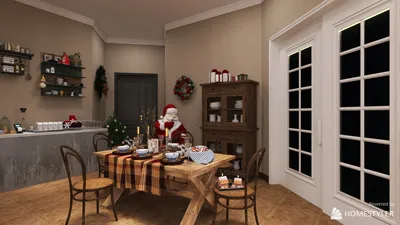
Industrial Chic embodies a deliberate embrace of rugged and utilitarian aesthetics that originated from historic industrial environments. This style honors the unapologetic beauty of exposed structural elements, unfinished surfaces, and a palette that reflects the patina of urban decay. Its philosophical core rejects excess and artificial embellishments, instead celebrating honesty in materials and form. Drawing inspiration from the factories and warehouses of the early 20th century, Industrial Chic brings a tactile sense of authenticity and ruggedness into modern interiors. It champions the fusion of function and form, where design pays homage to the era’s machinery and raw craftsmanship. The style’s narrative often revolves around the notion of rebirth and transformation — spaces once fit for manufacturing are revived as urban sanctuaries, preserving their heritage while adapting to contemporary needs. Industrial Chic is not merely about replicating old factory environments but about distilling their spirit: embracing imperfection, solidity, and a palette of muted neutrals punctuated by metallic and wooden accents.
Core Elements
Color Palette: The color story of Industrial Chic revolves around subdued and neutral hues that echo the industrial past. Shades of graphite gray, steel blue, and charcoal dominate, evoking the cold solidity of metalwork. Complementary to these are warm undertones found in weathered wood and rusted iron, injecting warmth and depth without disrupting the restrained atmosphere. These colors are rarely vibrant but instead convey a sense of aged authenticity and understated elegance. Their interplay creates a balanced tension between cool and warm tones, resulting in spaces that feel grounded yet inviting. This carefully chosen palette supports the style's ethos, emphasizing rawness and materiality rather than flashiness.
Materials and Textures: Industrial Chic thrives on the juxtaposition of rugged materials with refined craftsmanship. Exposed brick walls, concrete surfaces, reclaimed wood, and aged metals form the backbone of the material palette. The texture of these elements is paramount—rough brickwork contrasts with the smoothness of polished steel, while distressed wood surfaces tell stories of use and history. Concrete’s matte finish provides an austere canvas that harmonizes with metal’s reflective coldness and wood’s tactile warmth. Fixtures often bear a patina or show signs of wear, reinforcing the authentic industrial narrative. This tactile emphasis ensures that spaces do not just look functional but feel tangible, inviting touch and engagement.
Forms and Shapes: The architectural and decorative forms within Industrial Chic emphasize geometric clarity and structural honesty. Clean lines, robust silhouettes, and modular constructions reflect the efficiency and pragmatism of industrial design. Furniture and fittings are typically constructed with simple, strong shapes—rectangles, squares, and linear patterns dominate, often accentuated by metal frames and exposed mechanical joints. Curves are rare and, if present, minimalistic, maintaining the style’s dedication to straightforwardness. Lighting fixtures echo factory lamps with utilitarian caging and visible bulbs, reinforcing the sense of functional art. These shapes work in concert with the materials to reinforce the aesthetic of rawness and resilience, ensuring the environment feels engineered and purposeful.
Designing the Look
Homestyler’s ‘Industrial Chic’ offers a comprehensive set of ready-to-use 3D models specifically curated to embody this aesthetic, allowing designers to achieve authentic results with professional-grade textures and forms. This model pack provides an invaluable resource for interior designers seeking to infuse spaces with the defining hallmarks of Industrial Chic. The inclusion of detailed elements such as exposed brick walls, steel framework pieces, and reclaimed wood furniture facilitates rapid conceptualization and precise visualization. By integrating these models, designers can experiment with spatial arrangements and material combinations in a virtual environment that mirrors the tactile and visual qualities of the style. This accelerates decision-making and enhances client presentations with realistic renderings that convey the emotive rawness and structural clarity pivotal to Industrial Chic. Furthermore, these models serve as a foundation for customization, enabling designers to tweak finishes, dimensions, and material aging effects to craft spaces that feel both authentic and personalized.

Modern Minimalist Black Brass Glass Pendant Lamp 3D Model
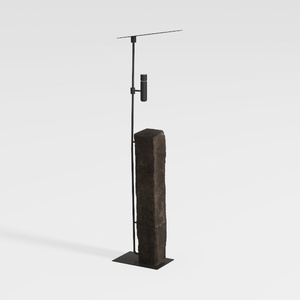
Minimalist Wabi Sabi Metal Stone Floor Lamp 3D Model


Industrial Metal Cage Pendant Lamp 3D Model

Modern Industrial Black Metal Glass Dining Table 3D Model
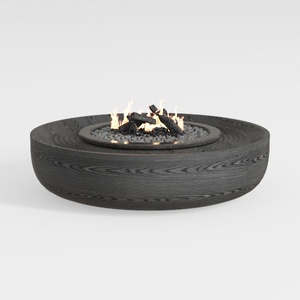
Minimalist Dark Solid Wood Round Outdoor Fire Pit Table 3D Model
FAQ
Q1: What are the key materials that define Industrial Chic interiors?
The defining materials include exposed brick, weathered wood, raw concrete, and various aged metals such as steel and iron. These elements emphasize texture and authenticity, rejecting synthetic veneers and polished finishes for a more genuine, tactile experience.
Q2: How can Industrial Chic be adapted for smaller residential spaces?
In compact areas, focus on integrating signature materials in scaled-down elements, such as metal-framed furniture, open shelving with reclaimed wood, and accent walls featuring exposed brick or concrete textures. Maximizing natural light and using minimal decorative objects help maintain the style’s characteristic openness and utilitarian vibe without overcrowding.
Q3: Are Industrial Chic interiors compatible with other design styles?
Yes, Industrial Chic pairs well with minimalism and rustic aesthetics. Blending soft textiles or warmer colors can soften the starkness, creating a balanced environment that retains industrial character while introducing comfort and personality.
Homestyler's roots trace back to Autodesk, the global leader in design and engineering software. That heritage lives on in every feature we build. Today, with a community of more than 18 million users worldwide, Homestyler continues to make professional-quality interior design accessible to everyone — from first-time decorators to seasoned architects.
With Homestyler, you can design and visualize your living spaces online with stunning, realistic results.
تصميم الآن مجانا
































