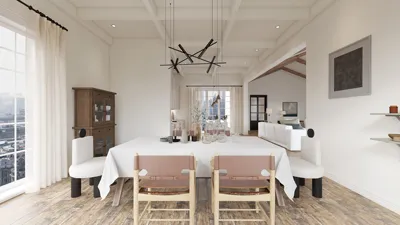


What is the most common core problem in Industrial Chic interiors?
Overloading spaces with mismatched elements that dilute the raw, utilitarian charm.
Quick Takeaways
1. Balance worn textures with clean architectural lines to avoid clutter. 2. Select industrial materials deliberately, not haphazardly. 3. Limit decorative accessory quantity to maintain an unpretentious look. 4. Prioritize functional form over excessive ornamentation. 5. Use muted color palettes with occasional metallic accents for contrast.
Introduction
Industrial Chic is deceptively simple but often trips up designers due to a delicate balance needed between roughness and refinement. Unlike other styles that encourage ornamental richness, this aesthetic demands restraint paired with authenticity. Frequently, attempts to soften industrial edges by adding incongruent decorative objects end up undermining the core identity. Understanding how to maintain this balance is essential for any space striving to deliver an honest industrial mood without tipping into chaos or trying too hard.
Why It Goes Wrong
The Industrial Chic style falters mainly when its defining rawness becomes overshadowed by overly elaborate decorations or mismatched elements that lack cohesion. Over-embellishing or mixing too many design languages dilutes the honest, utilitarian vibe. Sometimes, it’s also caused by proportion imbalance — scales that don’t respect the industrial environment — or the mistaken use of finishes and materials that feel synthetic rather than authentic. These missteps result in spaces that feel staged rather than genuinely industrial.
Mistake 1: Excessive Ornamentation
The Mistake: Piling decorative pieces like ornate art, excessive textiles, or flashy lighting fixtures that compete with the raw industrial structure. Why It Happens: Enthusiasm for injecting personality leads to over-accessorizing, hoping to ‘warm up’ the starkness. The Fix: Adopt a minimalist accessory rule—limit to 2-3 well-chosen pieces per room that complement exposed materials such as brick, concrete, or metal. Keep textiles heavy in texture but simple in pattern.
Mistake 2: Mismatched Material Usage
The Mistake: Introducing materials that clash, like glossy plastics, shiny laminates, or ultra-modern synthetic finishes. Why It Happens: Misunderstanding industrial authenticity as simply ‘old look’ instead of a balance between rugged texture and honest surfaces. The Fix: Choose materials with visible wear or natural patinas—brushed steel, reclaimed wood, raw concrete, and aged leather provide tactile and visual consistency.
Mistake 3: Ignoring Scale and Proportion
The Mistake: Furnishing spaces with items too small or too delicate for expansive industrial volumes. Why It Happens: Trying to soften the space excessively or failing to tailor the design to the room’s large, open scale. The Fix: Opt for robust furniture and fixtures that visually anchor the space. Oversized lighting, solid wood tables, and generous metal shelving match industrial proportions well.
Mistake 4: Overusing Color
The Mistake: Painting walls or incorporating too many vibrant colors that disrupt the restrained palette. Why It Happens: Attempting to ‘modernize’ the industrial look by injecting trendy color schemes rather than subtler hues. The Fix: Stick to neutrals—grays, blacks, whites—adding color only in small doses through accessories or accent walls using rust, navy, or olive tones.
Mistake 5: Neglecting Functional Lighting
The Mistake: Using ornamental light fixtures over practical industrial-style lighting solutions. Why It Happens: Prioritizing aesthetics over the essential utilitarian spirit of the style. The Fix: Select lighting that merges form and function—exposed bulbs, metal pendant lamps, or track lighting with adjustable arms that recall workshop environments.
Designing the Look
Homestyler’s ‘Industrial Chic’ offers a comprehensive set of ready-to-use 3D models specifically curated to embody this aesthetic, allowing designers to achieve authentic results with professional-grade textures and forms.

Modern Minimalist Black Brass Glass Pendant Lamp 3D Model
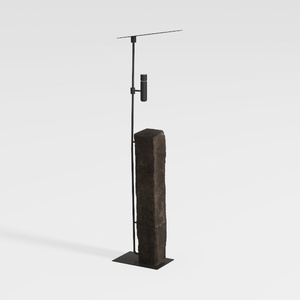
floor lamp-Industrial Chic


Industrial Metal Cage Pendant Lamp 3D Model

Modern Industrial Black Metal Glass Dining Table 3D Model

Minimalist Dark Solid Wood Round Outdoor Fire Pit Table 3D Model
FAQ
Q1: How can I maintain the industrial look while making a space cozy?
Introducing warmth in an Industrial Chic interior relies on balancing cold, raw materials with softer textural elements without cluttering the space. Incorporate cozy wool throws, leather accents, and natural fiber rugs, keeping colors muted and patterns minimal. Warm lighting via amber-toned bulbs also helps retain comfort within the style’s inherent simplicity.
Q2: What materials are essential for authentic Industrial Chic design?
Authenticity stems from incorporating materials like exposed brick, aged or polished concrete, blackened steel, reclaimed wood, and matte metals. Avoid synthetic laminates or high-gloss plastics as they conflict with the gritty, utilitarian ethos. Select visibly textured and slightly worn materials to reinforce the aesthetic’s integrity.
Q3: Can Industrial Chic work in small apartments or only large lofts?
While typically associated with large loft-like spaces, Industrial Chic principles can be scaled down effectively. In smaller layouts, prioritize open shelving, multipurpose furniture, and minimalist décor to preserve spatial flow. Use industrial elements sparingly but confidently to suggest the style without overwhelming the space.
Homestyler's roots trace back to Autodesk, the global leader in design and engineering software. That heritage lives on in every feature we build. Today, with a community of more than 18 million users worldwide, Homestyler continues to make professional-quality interior design accessible to everyone — from first-time decorators to seasoned architects.
With Homestyler, you can design and visualize your living spaces online with stunning, realistic results.
Concevez maintenant gratuitement
































