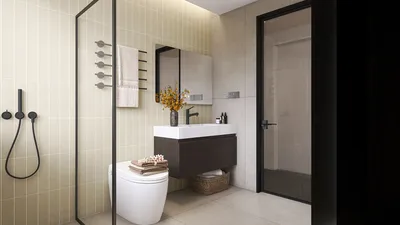


Industrial Chic presents a compelling tension between raw urban elements and refined touches, challenging designers to balance rugged textures with modern comfort. The core design challenge lies in embracing exposed structural details — such as weathered brick walls, visible ductwork, and distressed wood surfaces — while ensuring a cohesive and inviting atmosphere. This style thrives on contrasts: hard versus soft, old versus new, industrial remnants versus contemporary design. Achieving harmony requires a deliberate selection of materials and careful spatial arrangement to avoid a cold or cluttered result. Authenticity demands that nothing feels artificially polished; every component should echo the building’s original character or convey a sense of reclaimed history. Yet, industrial chic is not a wholesale reproduction of warehouse decay but a curated environment where vintage pieces coexist with sleek modern furnishings. Designers often wrestle with scale, as oversized factory lighting and large steel components can overwhelm smaller living spaces unless thoughtfully integrated. Color becomes a strategic player: the palette is predominantly neutral, featuring grays, charcoals, and rusty browns, but spot treatments of warm woods or saturated textiles add much-needed vibrancy. Lighting offers another layer of complexity; a balance between utilitarian fixtures reminiscent of workshops and ambient sources ensures both functionality and mood. Ultimately, the industrial chic aesthetic pushes designers to celebrate structural honesty while layering in human comfort. Every design decision must reinforce an organic yet polished vibe, where every element feels part of a natural narrative rather than a forced assemblage.
Step 1: Layout Logic — Spatial Proportion and Furniture Placement
Industrial Chic demands thoughtful spatial planning to maintain balance between volume and intimacy. Begin by embracing open floor plans that showcase the architecture’s inherent expansiveness, allowing raw structural elements such as exposed beams or concrete floors to become focal points. Position larger furniture pieces to anchor zones organically: for example, a substantial leather sofa with metal framing can delineate a living area without disrupting sightlines. Avoid cramped arrangements since industrial style celebrates spaciousness; each piece should breathe and align with the room’s underlying grid. Opt for modular or multi-functional furnishings that echo industrial simplicity yet provide everyday comfort—think steel-framed chairs with wooden seats or reclaimed wood tables on caster wheels. Place function first, but resist symmetrical layouts; asymmetry and layered textures inject the style’s signature edge. Use area rugs with worn textures to ground seating groups while softening hard floors. Against brick or concrete backdrops, lighter furniture finishes can create contrast and add visual relief. When designing kitchens or workspaces, integrate industrial-grade materials like stainless steel countertops and wall-mounted storage that maintain openness yet enhance utility. Lastly, consider vertical space by incorporating tall shelving units or open racks to draw attention upwards, emphasizing ceiling height and structural details. Correctly scaled industrial pieces prevent overwhelming the senses and transform raw shells into livable, dynamic environments.
Step 2: Lighting and Color — Tone Selection and Source Pairing
Lighting within Industrial Chic spaces operates as both utility and sculptural detail. Begin by layering ambient, task, and accent lighting to accommodate varied daily activities while highlighting architectural features. Pendant lights with factory-inspired metal shades or bulbs suspended on cords evoke workshop aesthetics; positioning them above kitchen islands or dining tables reinforces industrial authenticity. Supplement with wall-mounted sconces that resemble vintage machinery parts or oversized floor lamps constructed from pipe fittings. Select dimmable LEDs to modulate mood and avoid overly sterile brightness. Natural light is equally vital—maximize window exposure and incorporate minimalistic curtains or blinds for unobstructed daylight flow. The color palette closely aligns with industrial materials: deep charcoals, oxidized reds, and warm rust tones set the backdrop, balanced by soft neutrals like chalky whites or faded grays. Use matte finishes on walls and furniture to reinforce the worn, utilitarian feel. For contrast, introduce muted greens or rich navy as accent tones through textiles or decor objects. Metallic accents in bronze or blackened steel add depth and texture. Keep paint and surface treatment understated; avoid high gloss or overly polished elements to preserve raw integrity. Carefully chosen lighting temperature complements color selection—warm light enhances wood or brick surfaces, while cooler light suits metal and concrete textures. Color and light must interlock seamlessly, grounding the space in industrial roots yet inviting comfort.
Step 3: Accenting with Detail — Enhancing Texture and Authenticity Through Accessories
The final layer of Industrial Chic design lies in precise accessory selection that reinforces tactile and visual contrasts. Begin with small but impactful pieces — aged leather-bound books, metal mechanical components, or vintage signage can imbue spaces with history. Sculptural items such as exposed Edison light bulbs, distressed wire baskets, or minimalist clocks with metal housings amplify industrial references without cluttering. Select artwork that complements the palette and theme: black-and-white architectural photography, abstract metal wall sculptures, or reclaimed wood frames offer rugged elegance. Incorporate textiles thoughtfully—woven throws in muted earth tones, linen cushions, or industrial-patterned rugs soften harder finishes yet remain understated. Plants provide necessary freshness but lean toward hardy species complemented by industrial planters crafted from galvanized metal or concrete. Storage solutions in raw wood crates or open shelving maintain both function and authenticity. Aim for a curated collection rather than over-decoration; every item should have a purpose and relate contextually to the materials and colors already present. This subtle layering of detail prevents the space from feeling sterile or purely academic, creating instead a lived-in atmosphere reinforcing the style’s gritty but refined aesthetic.
Designing the Look
For designers working in Homestyler, the Industrial Chic model is a practical shortcut to authenticity. It removes the guesswork from sourcing — every piece is pre-matched in scale, material, and proportion to deliver a coherent Industrial Chic result.

Modern Minimalist Black Brass Glass Pendant Lamp 3D Model
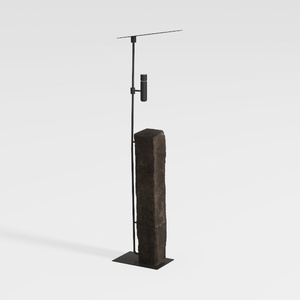
floor lamp-Industrial Chic


Industrial Metal Cage Pendant Lamp 3D Model

Modern Industrial Black Metal Glass Dining Table 3D Model

Minimalist Dark Solid Wood Round Outdoor Fire Pit Table 3D Model
FAQ
Q1: How can I maintain warmth in an Industrial Chic space without losing its raw character?
Incorporate natural wood elements with a worn finish and strategically add textiles like linen cushions or woven rugs in earthy tones. Introducing warm lighting—such as Edison bulbs and dimmable lamps—softens the hard industrial materials without diluting the style’s edge.
Q2: What is the best way to balance large-scale industrial features within a small apartment?
Prioritize open layouts and choose scaled-down furniture that references industrial materials, such as steel frames or reclaimed wood, to prevent overwhelming the space. Utilize vertical storage and multifunctional pieces to maximize usability while preserving an airy, uncluttered feel.
Q3: How can lighting be layered to maximize the industrial aesthetic while ensuring functionality?
Combine overhead pendant lights with adjustable task lighting for work areas and softer accent lamps to highlight textures or architectural details. Using fixtures made from raw metals or piping enhances industrial authenticity while providing versatile illumination for different needs.
Built on technology originally developed at Autodesk, Homestyler empowers anyone to design beautiful, realistic spaces in minutes. Join over 18 million users who have already discovered a smarter way to plan, visualize, and bring their dream homes to life — all from the comfort of a browser.
Homestyler's powerful 3D rendering feature brings your design concepts to life with incredible detail.
Projete agora para LIVRE
































