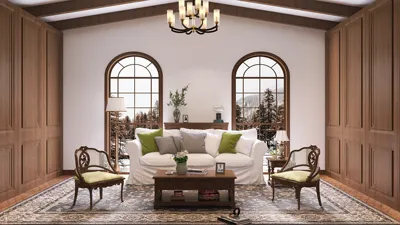


The essence of Cottagecore style lies in its delicate balance between rustic simplicity and curated comfort, presenting a unique design challenge. Unlike minimalist or ultra-modern aesthetics, Cottagecore embraces a lived-in warmth crafted through natural materials, soft color palettes, and nostalgic elements. The primary obstacle is achieving this harmonious blend without tipping into clutter or kitsch. This style thrives on whimsical yet grounded spaces where every texture and object narrates an inviting story. Interior designers must carefully mediate spatial organization and material choices to ensure that the environment feels cohesive rather than chaotic. To address this, focus must be placed on proportionate furniture scaled to cozy rooms without overcrowding, as well as on selecting finishes and textiles that evoke nature and tradition. The challenge extends further to striking the right balance between vintage charm and contemporary practicality—too much emphasis on period pieces risks functionality, whereas modern inserts must be subtle enough to respect the overall aesthetic. A successful Cottagecore interior feels timeless yet freshly curated, with moments of gentle eccentricity woven through intentional selections. This nuanced approach demands attention to authentic craftsmanship details, sensory textures such as linen and rattan, and a palette grounded in muted earth tones accentuated sparingly with florals or soft pastels. Embracing these principles leads to an immersive environment that reflects comfort, nostalgia, and sustainable living—essentially crafting a modern pastoral haven within the home.
Step 1: Layout Logic — Spatial Proportion and Furniture Arrangement
Begin by assessing the size and natural flow of your room to determine optimal furniture arrangement. Cottagecore interiors favor intimate, human-scale spaces that encourage relaxation without feeling cramped. Start by defining clear functional zones—such as seating, dining, and display areas—while maintaining an open circulation path to preserve airiness. Select furniture with gentle curves and rounded edges to soften the atmosphere; avoid bulky or sharply angular pieces that disrupt the aesthetic harmony. For instance, a vintage-inspired wooden armchair paired with a soft linen slipcover creates inviting seating that blends both comfort and rustic charm. Pay particular attention to proportion: sofas and chairs should neither overpower small rooms nor feel insignificant in larger spaces. Position larger pieces away from walls to create breathing room, allowing textiles like braided rugs or embroidered cushions to add layers of warmth between furnishings. Incorporate multi-functional items such as storage ottomans or side tables that accommodate both form and utility without overcrowding. Balance symmetry and asymmetry by grouping objects in odd numbers to achieve visual interest without chaos. Lastly, integrate handcrafted or natural materials—wicker baskets, distressed woods, or ceramic vessels—to complement furniture, stitching together the Cottagecore narrative through spatial coherence and tactile diversity.
Step 2: Light and Color — Tone Selection and Lighting Coordination
Lighting plays a pivotal role in reinforcing the Cottagecore atmosphere, where soft, diffused light mimics the natural ambiance of rural living. Prioritize sources of natural light by choosing window treatments like sheer linen curtains that filter sunlight gently without harsh glare. Complement daylight with ambient and task lighting in warm tones, using fixtures crafted from materials such as wrought iron, wood, or fabric shades to maintain stylistic consistency. Placement of lamps and sconces near reading nooks or seating areas enhances functional coziness while contributing to an inviting glow. Color palettes should draw inspiration from botanical and pastoral landscapes, incorporating soft pastels—sage greens, blush pinks, dusty blues—paired with earthy neutrals like cream, taupe, and warm beige. Apply these colors on walls using matte or eggshell finishes to avoid stark reflections, augmenting the soft-focus aesthetic. Accent walls with delicate floral motifs or toile patterns further deepen the narrative. Use textiles and accessories to layer colors subtly, mixing stripes, plaids, or subtle prints without overwhelming the senses. Maintain balance by restricting bold hues to smaller items like cushions or vases, preserving the overall muted scheme. Thoughtful integration of organic forms and colors simulates an outdoor connection, enveloping occupants in a tranquil, nature-honoring sanctuary.
Step 3: Finishing Touches — Small Decorative Models to Enhance Texture and Quality
Fine details distinguish a generic rustic interior from a genuine Cottagecore sanctuary. Introduce small decorative elements that imbue character without clutter. Curate collections of vintage ceramics, like hand-thrown pottery teacups or glazed flowerpots, displayed on open shelves to showcase artisanal heritage. Incorporate botanicals in varying forms—pressed florals framed on walls, dried wildflowers in glass bottles, or collections of potted herbs—to reflect the style’s pastoral inspiration. Layer soft textiles such as hand-knitted throws, lace-trimmed cushions, or embroidered linen napkins throughout the space, inviting tactile engagement and layering subtle colors and patterns. Incorporate delicate lighting elements like fairy lights woven along shelves or mantelpieces for whimsical sparkle during evenings. Craft a balance between curated order and authentic imperfection by mixing hand-painted items with natural fibers and irregular shapes that celebrate craftsmanship. Do not overlook practical accents—woven storage baskets, rustic hooks, or wooden trays—as these functional pieces double as charming textures consistent with the aesthetic. Arranging these small models thoughtfully ensures that each complements rather than competes, contributing to an experiential environment rich in sensory and visual depth.
Designing the Look
For designers working in Homestyler, the Cottagecore model is a practical shortcut to authenticity. It removes the guesswork from sourcing — every piece is pre-matched in scale, material, and proportion to deliver a coherent Cottagecore result.


French Vintage Solid Wood Fabric Upholstered Loveseat Sofa 3D Model

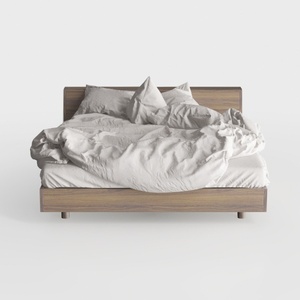
Minimalist Solid Wood Platform Bed with Linen Bedding 3D Model
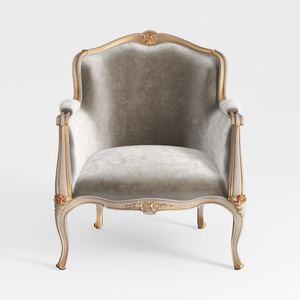
French Vintage Velvet Gold Trim Armchair 3D Model

FAQ
Q1: How can I introduce Cottagecore style in a small apartment without overcrowding the space?
To maintain Cottagecore charm in compact spaces, prioritize multifunctional furniture with light, natural finishes that do not dominate the room. Use soft color palettes on walls and textiles to visually open the area. Incorporate vertical storage like wall shelves for displaying small decorative pieces rather than bulky cabinets. Select delicate, space-saving décor such as hanging planters or framed pressed flowers to preserve airiness. Keep the layout simple and allow for free circulation paths to avoid the sensation of clutter.
Q2: What materials should I avoid to maintain the authentic Cottagecore feel?
Avoid overly glossy or synthetic materials that contrast sharply with the rustic, organic essence of Cottagecore. This includes high-polish plastics, chrome metals, and neon colors. Instead, opt for natural fibers like cotton or linen, wood with distressed or matte finishes, and ceramics with artisanal imperfections. These materials foster warmth and craftsmanship, which are integral to the aesthetic.
Q3: How do I balance vintage items with modern practicality in this style?
Integrate vintage pieces as statement accents rather than dominant elements. For example, keep a modern sofa updated with Cottagecore slipcovers or pair a restored antique dresser with clean-lined accessories. Ensure that all furniture meets ergonomic and functional needs while appearing visually cohesive through complementary finishes and textures. Blending old and new thoughtfully prevents spaces from feeling outdated or impractical, sustaining timelessness with livability.
Built on technology originally developed at Autodesk, Homestyler empowers anyone to design beautiful, realistic spaces in minutes. Join over 18 million users who have already discovered a smarter way to plan, visualize, and bring their dream homes to life — all from the comfort of a browser.
Homestyler is a professional interior design software that helps users effortlessly create their dream home.
Design Now for FREE
































