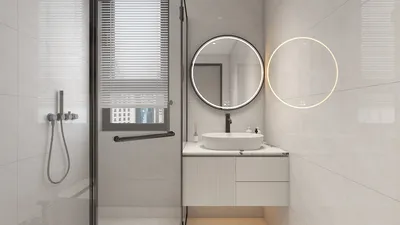


Contemporary Tropical design stands out by merging sleek modern lines with the lush vibrancy of tropical elements, demanding a delicate balance between minimalism and natural richness. This style’s primary challenge lies in harmonizing these opposing aesthetics to create an inviting, fresh living environment without overwhelming the senses. At its core, Contemporary Tropical thrives on an interplay of clean architecture softened by organic textures, vivid greenery, and vitality brought by natural light and vivid accents. However, achieving coherence amidst diverse inspirations—ranging from bamboo-inspired furnishings to polished concrete—is no simple task. Designers must prevent the space from becoming either sterile or chaotic, maintaining a crisp palette yet celebrating nature’s palette through materials and accessories. The integration of indoor-outdoor flow enhances the spatial experience but also requires thoughtful planning to keep both elements uniform in quality and style. Moreover, practical considerations such as selecting moisture-resistant surfaces in humid climates and incorporating sustainable materials challenge designers to be resourceful and intentional. The success of Contemporary Tropical interiors hinges on respecting proportion, scale, and the tactile qualities of materials alongside meticulous curation of décor. Longevity and comfort are achieved not through extravagance but through purposeful layering—stripes of wood grain, woven rattan, soft linens, and bold botanical prints—each element enhancing the others without stealing focus. Lighting design plays a critical role, spotlighting natural textures while ensuring spaces remain airy and welcoming as day turns to night. Navigating these tensions between stark modernity and lush tropical motifs is the defining pursuit when crafting authentic Contemporary Tropical environments.
Layout Logic — Spatial Proportions and Furniture Arrangement
In Contemporary Tropical interiors, spatial organization is foundational in expressing the style’s dual nature. Begin by zoning your layout with an emphasis on openness and fluidity, creating pathways that mimic natural flow rather than rigid divisions. Prioritize furniture with clean, geometric shapes crafted from natural materials such as rattan, teak, or bamboo to complement the tropical theme without cluttering. Instead of overfilling spaces, select statement pieces—like a low-profile sectional with neutral upholstery paired with a carved wooden coffee table—so scale plays in harmony with room size. Position seating arrangements to encourage social interaction but maintain enough breathing room around each piece for visual clarity. Avoid heavy or overly ornate furniture that will compete against the streamlined aesthetic. The juxtaposition of smooth, modern surfaces (think polished concrete floors or matte white walls) with textured natural elements requires strategic placement; for example, an expansive sofa should face a textured accent wall or large window where greenery from outdoors peeks inside. Using rugs with subtle tropical patterns beneath seating clusters helps anchor zones without breaking up the spatial continuum. Focus on height variation—incorporate low-profile furniture complemented by vertical plants or tall lamps to add dimension. Custom built-ins can simplify storage and minimize clutter, preserving the airy, open atmosphere. In bedrooms and smaller spaces, keep furnishings minimal but multifunctional, allowing daylight to penetrate deeply. Overall, the arrangement must feel curated yet relaxed, embodying a balance between comfort and modern sophistication.
Lighting and Color — Tone Selection and Light Source Pairing
Lighting in Contemporary Tropical style serves as the bridge between interior and nature, highlighting textures and enhancing color vibrancy while maintaining a cool ambiance. Begin with natural light maximization—large windows, glass doors, and unobstructed window treatments allow sunlit warmth to saturate spaces. When selecting artificial lighting, layer sources for varied moods: recessed ceiling lights offer even illumination, while pendant fixtures woven from natural fibers inject texture and tropical character. Accent lighting should spotlight focal points like textured walls, sculptural furniture, or lush plants. Warm white bulbs (around 2700K-3000K) preserve the relaxed tropical vibe while preventing cold contrasts against rich woods and greenery. Avoid overly bright or stark lighting that disrupts balance. The color palette anchors on neutral backgrounds—soft whites, creams, and light grays—that act as canvases to showcase tropical accents in emerald greens, sunny yellows, and ocean blues. Wall finishes can include subtle textures such as lime-wash or plaster to deepen interest without drawing attention from furnishings and accessories. In open-concept spaces, harmonize colors across adjoining zones to prevent disjointedness; for instance, repeat green tones from living areas subtly in kitchen backsplashes or textiles. Introduce metallic accents sparingly, such as brass or copper light fixtures, to add a modern gleam without detracting from the organic feel. Thoughtful placement of mirrors can amplify daylight and create the illusion of extended spaces, enhancing openness. The outcome should feel bright yet soothing—a haven that refreshes in every light condition.
Finishing Touches — Small-Scale Models Enhance Overall Quality
Details become essential statements within Contemporary Tropical interiors, proving small-scale decor’s power to elevate atmosphere without overwhelming. Curate decorative objects that recall nature’s artistry: carved wooden bowls, woven baskets, and ceramic vases with matte finishes all integrate tactile depth and authenticity. Choose cushions and throws with botanical prints or textures mimicking palm leaves and tropical flora to subtly reinforce the theme. For art, prioritize pieces inspired by plants, tropical landscapes, or abstract interpretations of natural elements—avoiding overcrowding walls to maintain airiness. Indoor plants are perhaps the most vital finishing touch, their placement pivotal: cluster them in varying heights and sizes to generate dynamic, living arrangements. Use modern planters in neutral tones or natural fibers to fuse contemporary aesthetics with organic materials. Avoid plastic or overly shiny finishes that betray artificiality. Textured rugs—jute or sisal—add grounding layers that contrast polished surfaces yet remain light enough to keep spaces feeling fresh. Accessorize dining and coffee tables with minimal, meaningful objects, like native shells, driftwood-inspired sculptures, or small terrariums. Such elements should feel intentionally placed, as if curated by the environment itself, not cluttered accumulations. These considered accents complete a room’s narrative, turning architecture and furniture into a lifestyle expression that’s at once refined and relaxed.
Designing the Look
For designers working in Homestyler, the Contemporary Tropical is a practical shortcut to authenticity. It removes the guesswork from sourcing — every piece is pre-matched in scale, material, and proportion to deliver a coherent Contemporary Tropical result.

Minimalist Natural Jute Area Rug 3D Model

Contemporary Tropical-carpet/ rug


Outdoor Patio Wood Rattan Egg Porch Swing Chair Ha

Bohemian Vintage Tassel Leather Fabric Tote Bag 3D Model

Realistic Tropical Potted Palm Tree 3D Model
FAQ
Q: How can I keep the Contemporary Tropical style consistent across different rooms?
Consistency arises from unified color palettes and material selections. Use similar wood tones and repeat natural textures such as rattan or linen in soft furnishings. Maintain neutral wall colors throughout, while adding pops of tropical hues via accessories or plants. Ensure furniture scale and style echo the clean, minimal lines characteristic of this style.
Q: What are the best materials to use in humid tropical climates for this style?
Opt for durable and moisture-resistant materials such as treated teak or synthetic wicker for furniture. For flooring, polished concrete, stone tiles, and sealed hardwood provide robustness and resistance. Avoid untreated wood or textiles prone to mildew, favoring quick-drying and breathable fabrics like linen.
Q: How do I balance modern minimalism with lush tropical decor without clutter?
Prioritize quality over quantity—select standout pieces with clean silhouettes complemented by nature-inspired textures. Keep surfaces clear and group decorative elements strategically to create focal points rather than scattered displays. Use plants to add natural vibrancy while ensuring arranged groupings feel intentional and spacious rather than overcrowded.
Built on technology originally developed at Autodesk, Homestyler empowers anyone to design beautiful, realistic spaces in minutes. Join over 18 million users who have already discovered a smarter way to plan, visualize, and bring their dream homes to life — all from the comfort of a browser.
Leverage Homestyler's AI-powered features to quickly generate professional interior design schemes.
Zaprojektuj teraz za darmo
































