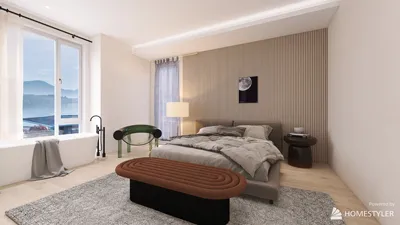


Art Deco design is defined by its celebration of geometric symmetry, bold opulence, and a tension between sleek modernity and ornamental intricacy. The core design challenge is balancing these striking aesthetic elements without creating visual chaos. This style requires a harmony between strong linear forms and sumptuous textures, balancing metallic gleams and lacquered surfaces with plush fabrics and rich colors. Achieving this equilibrium involves careful consideration of proportions and material interplay to avoid overwhelming the space. The Art Deco look is unmistakably glamorous but risks appearing gaudy if the decorative features dominate without restraint. Additionally, authentic Art Deco must respect scale and craftsmanship; inappropriate mixing of contemporary items can dilute the style’s distinctive boldness. Furthermore, integrating vintage-inspired lighting and art deco motifs into floor plans demands an understanding of their cultural and historical significance. This juxtaposition of modern minimalism and ornate detailing is where the style’s power and difficulty lie. The goal is to create interiors that feel both luxurious and cohesive, offering a nostalgic nod to the Jazz Age without feeling excessively thematic or costume-like. Every element—from furniture curves to inlay patterns—must be thoughtfully placed to balance drama with livability, ensuring that each room embodies the quintessential Art Deco lavishness while functioning as a contemporary living environment. This dialectic of contrast and harmony forms the essence of mastering Art Deco interior design principles.
Layout Logic — Spatial Proportions and Furniture Arrangement
In Art Deco interiors, spatial balance is paramount to avoid cluttering the sense of grandeur the style prizes. Begin by creating a clear zoning plan that delineates living, dining, or lounging areas through furniture placement rather than walls. Use symmetrical layouts to reinforce the style’s signature geometry; for example, pair matching armchairs opposite a streamlined sofa or center a geometric rug under a coffee table to anchor the space. Furniture tends to have strong, rectilinear silhouettes with curved edges that soften but do not weaken overall symmetry. Prioritize pieces with lacquered or mirrored finishes to reflect light and emphasize spaciousness. When placing larger items, maintain ample negative space around each, enhancing the impression of an airy but polished room. Avoid overcrowding with too many small objects that could disrupt the visual flow. Instead, select statement pieces such as a bold credenza or art deco-inspired console table to punctuate rather than overwhelm. Adjust heights to create tiered levels: low sofas contrasted with taller sideboards or wall panels to introduce vertical rhythm. This hierarchy lends an organized, sophisticated look. Consider the function and circulation too—ensure pathways are unobstructed for ease and that furniture orientation encourages conversation and viewing of focal points such as a fireplace with decorative panels or an artwork in a lacquered frame. Integrate built-in storage discreetly to preserve clean lines, and opt for occasional tables with geometric bases that echo the room’s angular aspects. Overall, the layout should read as cohesive and intentional, a poised stage set for the glitzy and luxurious elements that define Art Deco.
Lighting and Color — Tone Selection and Source Pairing
Art Deco’s dramatic flair comes alive through bold contrasts and the intelligent interplay of light and color. Begin by grounding your palette in luxurious jewel tones like emerald green, sapphire blue, and rich ruby, offset by metallic accents in gold, brass, or chrome. Black and white provide graphic punches that accentuate pattern and geometric detail. When selecting wall colors, consider deep matte hues that allow metallic trims or inlaid mirrors to come forward visually. Lighting must complement these choices. Use layered illumination combining ambient, task, and accent sources for dynamic visual depth. Chandeliers and sconces with stepped, tiered designs cast signature shadows, enhancing artwork and texture while amplifying vertical lines. Glass shades with etched or frosted finishes diffuse light softly while maintaining sharp patterns on surrounding surfaces. Position floor lamps near seating zones with reflective surfaces to bounce light subtly throughout the room. Integrate concealed LED strips behind moldings or under furniture edges to add modern flair compatible with Art Deco’s forward-looking ethos. Colored glass or crystal pendants elevate mood by introducing spectral reflections onto polished floors or lacquered cabinetry. Even dimmer controls deserve attention: they ensure that the ambiance can shift from day’s cool light to night’s warm, glamorous glow effortlessly. The key is harmony: the tones of furnishings and surfaces must interplay with light temperature and intensity to create a luxurious atmosphere rich in contrast but balanced for comfort. Reject overly bright, even lighting, which flattens texture and dulls the dramatic effect intrinsic to Art Deco interiors.
Decorative Touches — Small-Scale Models Enhancing Overall Quality
Tiny design details make all the difference in authentic Art Deco interiors, as they crystallize the style’s meticulous attention to craftsmanship and ornamental richness. Begin your decoration journey with geometric accent pieces such as mirrored trays with chevron patterns or lacquered boxes in black and gold. Sculptural figurines in chrome or ivory emulate the era’s fascination with machinery and streamlined machines. Introduce textiles with bold zigzag or fan motifs in velvet cushions and throws, subtly repeating dominant spatial rhythms. Replace standard drawer pulls with period-accurate metal hardware that recalls skyscraper silhouettes or sunburst rays. Art Deco styling thrives on repetition and layering of shapes, so groupings of petite vases or clocks arrayed symmetrically will tie together furniture clusters. Don’t neglect reflective surfaces: place a cluster of small mirrored coasters or picture frames to extend gleaming surfaces beyond focal points. Choose glassware with etched geometric designs or decanters with stepped forms for bars or dining tables, adding understated elegance. Lighting fixtures with removable shades offer flexibility to highlight selected patterns or objets d’art. Incorporate artworks referencing industrial aesthetics or jazz-age glamour to reinforce narrative coherence. Importantly, maintain restraint: every decorative element should have purpose and position to avoid a cluttered look. The discipline to curate these minor features and ensure scale compatibility yields a convincing ambiance that feels authentically opulent yet livable, proving the efficacy of focused small-scale modeling within the Art Deco interior ethos.
Designing the Look
For designers working in Homestyler, the Art Deco is a practical shortcut to authenticity. It removes the guesswork from sourcing — every piece is pre-matched in scale, material, and proportion to deliver a coherent Art Deco result.
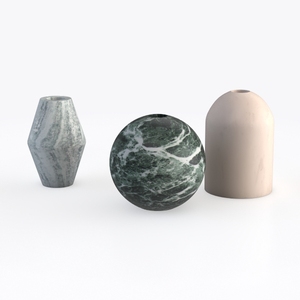
Marble Ceramic Modern Decorative Vases Set 3D Model

Vintage Sepia Palm Jungle Wall Art Print 3D Model

Minimalist Black Gold Striped Area Rug 3D Model

Art deco wallpaper 10

Modern Brass Metal Taper Candle Holder Decorative 3D Model

FAQ
Q1: How can I maintain the Art Deco style without overcrowding my space?
Focus on balance by selecting statement furniture pieces and avoiding excessive small items. Use symmetry in layout to create order, and rely on negative space to let bold geometric shapes and luxurious materials breathe. Prioritize quality over quantity to ensure each piece contributes meaningfully to the overall aesthetic.
Q2: What lighting types best emphasize Art Deco features?
Layered lighting is essential. Choose chandeliers and sconces with stepped or tiered designs, complemented by floor lamps with reflective qualities. Incorporate concealed LED strips to modernize while respecting the style. Use dimmers to control intensity, allowing you to modulate the mood from bright and vibrant to soft and glamorous.
Q3: How do I integrate modern technology without disrupting the vintage Art Deco look?
Integrate devices subtly by selecting pieces with clean lines and neutral tones that blend with your palette. Conceal wiring and choose technology with chrome or black finishes that mirror the metal accents typical of Art Deco. Opt for hidden speakers or wireless components to maintain a clean visual impact without compromising function.
Built on technology originally developed at Autodesk, Homestyler empowers anyone to design beautiful, realistic spaces in minutes. Join over 18 million users who have already discovered a smarter way to plan, visualize, and bring their dream homes to life — all from the comfort of a browser.
Homestyler's powerful 3D rendering feature brings your design concepts to life with incredible detail.
Design Now for FREE
































