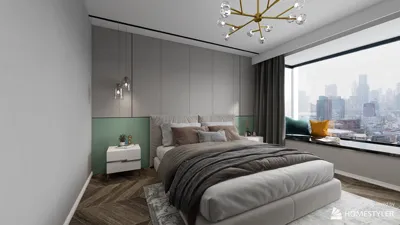


Urban Retro style thrives on the dynamic tension between vintage nostalgia and modern functionality, challenging designers to blend distinct eras into a visually balanced, livable space. The key design challenge lies in achieving harmony between bold retro motifs and contemporary minimalism without one overwhelming the other. Urban Retro demands an intricate balance where vibrant patterns coexist with subtle textures, saturated colors contrast with neutral undertones, and iconic furniture silhouettes are integrated with current ergonomics. This style invites experimentation, yet it requires restraint to prevent visual chaos. Selecting appropriate materials—like polished wood, aged metals, and textured fabrics—is essential to complement the color and form while imbuing spaces with a sense of history. Quality and authenticity in furniture and decor pieces also become critical to avoid kitsch and ensure longevity of the design impact. Moreover, spatial planning must respect proportions to prevent overcrowding typical of retro interiors, organizing zones to flow fluidly between leisure, work, and social functions. Urban Retro encapsulates the complexity of fusing mid-century inspirations with metropolitan sensibilities, demanding precision in execution to remain accessible and fresh. The success of the style ultimately revolves around crafting a dialogue between past and present, visceral energy and calm reprieve—inviting users to inhabit an environment that honors both eras without compromise.
Step 1: Layout Logic — Spatial Proportion and Furniture Placement
Begin by mapping out the room’s function zones with mindful attention to spatial proportion. Urban Retro favors open, airy layouts that allow iconic furniture pieces—like vintage-inspired sofas, cocktail cabinets, and tripod floor lamps—to breathe rather than crowd. Use modular furniture arrangements that foster flexibility and visual balance. Avoid placing bulky retro furnishings against narrow walls; instead, position standout pieces where they become focal points, such as a richly patterned armchair near natural light or a geometric coffee table centered in the living area. Maintain at least 60 centimeters (approximately 2 feet) of clearance between seating and pathways to ensure unobstructed movement. The spatial rhythm can be enhanced by layering furniture heights—mixing low-profile benches with taller shelving units helps create depth while honoring retro proportions. Anchoring conversation areas with rugs that feature bold mid-century patterns can visually define boundaries without fragmenting the space. Vertical storage solutions with wood or metal finishes evoke nostalgia while preserving floor plan openness. Importantly, balance symmetry with asymmetry to keep interiors dynamic: pair matching side tables with a singular statement piece to avoid visual monotony. By grounding your layout decisions in proportion and balance, you enable every design element to coexist harmoniously, fulfilling the Urban Retro aesthetic without clutter.
Step 2: Light and Color — Tone Selection and Lighting Pairing
The palette for Urban Retro pivots between saturated jewel tones and earthy neutrals. Begin choosing dominant colors like mustard yellow, burnt orange, olive green, or teal alongside warm browns and muted greys to evoke a nostalgic yet grounded feel. Layer these hues carefully within the same space to create visual intrigue without overwhelming the senses. When pairing lighting, opt for warm, ambient light sources that replicate the glow of vintage filament bulbs. Pendant lamps with geometric metal shades or sputnik chandeliers lend iconic mid-century style while providing focused illumination. Use adjustable floor lamps and sconces to highlight key areas or artworks, enhancing dimensionality. Integrate natural sunlight by using light-filtering sheer curtains or blinds that diffuse light softly during peak hours. Reflective surfaces such as brass or copper accents can amplify the warmth and depth of both artificial and natural light. Additionally, controls like dimmers enable you to shift the mood seamlessly between bright activity and cozy relaxation, essential for an inviting retro vibe. Avoid cold, sterile LED lighting which contradicts the warmth inherent to the style. Lastly, repeat colors found in textiles or decor objects within lampshades or bases to tie lighting subtly into the overall scheme, ensuring cohesive visual flow.
Step 3: Finishing Touches — Small Accessories to Enhance Texture and Cohesion
Accentuate the Urban Retro environment through curated accessories that punctuate both character and tactility. Choose small-scale models and decor items like abstract sculptures, vintage-inspired clocks, and patterned ceramic vases to inject personality without overcrowding. Incorporate textured throw pillows and woven rugs with geometric or atomic motifs to reinforce the era’s graphic language. Introduce materials such as velvet and tweed for upholstery or cushions to add warmth and depth. Plants in retro ceramic or brass planters complement the look while softening harder lines. Utilize artwork—print posters of classic designs or abstract mid-century collages—framed in slender wooden or metal borders to complement the furniture scale and proportions. Mix glossy surfaces with matte finishes to create layered sensory experiences, focusing on balance rather than excess. Integrate these elements judiciously atop sideboards, shelves, or coffee tables where they serve as conversational points. The control in quantity ensures each piece adds purposeful context, enhancing authenticity rather than eclectic clutter. Consistency across the color scheme and materiality in these small accents establishes a unified narrative, making the style palpable and approachable.
Designing the Look
For designers working in Homestyler, the Urban Retro is a practical shortcut to authenticity. It removes the guesswork from sourcing — every piece is pre-matched in scale, material, and proportion to deliver a coherent Urban Retro result.

Modern Solid Wood Metal Vanity Table With Hollywood Light Mirror 3D Model

Minimalist Mixed Size Wood Picture Frames Gallery Wall Set 3D Model

Minimalist White Solid Wood Glass Door Display Cabinet 3D Model

chest of drawers-Urban Retro

Modern Tufted Leather High Back Wing Chair 3D Model

Vintage Framed Religious Wall Art Painting 3D Model
FAQ
Q1: How can I balance vintage and modern elements in an Urban Retro interior without creating visual chaos?
Achieve balance by selecting key statement pieces that anchor the retro vibe while integrating minimalist modern furnishings to provide contrast. Limit color palettes to a few complementary hues and ensure textures and materials transition smoothly. Prioritize proportional spatial arrangements where each piece has breathing room, avoiding overcrowding. Consistent finishes (like wood tones or metal accents) help unify styles without competing visually.
Q2: What lighting fixtures best suit the Urban Retro aesthetic?
Lighting should emphasize warmth and iconic retro silhouettes. Choose pendant lamps with geometric or sputnik-style designs, floor lamps with tripod bases, and fixtures incorporating brass or wood detailing. Utilize warm-toned bulbs or dimmers to mimic vintage ambiance. Task lighting can be layered with ambient sources for functional flexibility without sacrificing style consistency.
Q3: How do I select appropriate accessories without cluttering an Urban Retro space?
Select accessories that resonate with the era’s motifs—atomic patterns, abstract shapes, and vintage textures—while keeping quantity manageable. Prioritize quality over quantity, dispersing items strategically across surfaces to avoid overcrowding. Focus on tactile variation with materials like velvet pillows, ceramic vases, or brass accents to add depth and cohesion without overwhelming the eye.
Built on technology originally developed at Autodesk, Homestyler empowers anyone to design beautiful, realistic spaces in minutes. Join over 18 million users who have already discovered a smarter way to plan, visualize, and bring their dream homes to life — all from the comfort of a browser.
Design your ideal space with Homestyler, turn your creativity into reality, and craft a unique home style that is truly your own.
Дизайн сейчас бесплатно
































