

Conclusion
Harmonious Zen and Scandinavian Minimalism represent two refined approaches to interior design centered on simplicity and tranquility, yet they diverge fundamentally in aesthetics and emotional tone. Harmonious Zen emphasizes natural serenity and organic materials to create a peaceful retreat, while Scandinavian Minimalism prioritizes functional brightness and clean simplicity suited for modern urban lifestyles. Choosing between them depends on whether you prefer subtle earthiness and warmth or crisp, airy spaces with a focus on utility.
Style A Deep Dive
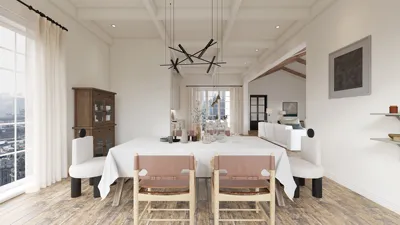
Harmonious Zen is characterized by a careful balance of natural materials, muted earth tones, and subtle textures that foster calmness and mindfulness. The style draws inspiration from traditional Japanese aesthetics, incorporating bamboo, untreated wood, stone, and linen to create an atmosphere that encourages relaxation and connection with nature. This style suits residential settings where tranquility is a priority—bedrooms, meditation rooms, and spa-like bathrooms. However, the limited palette and restrained decor can feel too subdued for those craving vibrant or eclectic interiors.
Style B Deep Dive
Scandinavian Minimalism combines crisp whites, light woods, and simple lines to achieve a clean, bright, and highly functional space. It emerged from Northern European design principles focused on maximizing daylight and utilitarian living. Scandinavian interiors often feature modular furniture, plush textiles, and pops of muted pastels or black accents for contrast. This style thrives in city apartments or compact homes where space-saving solutions and visual openness are essential. Its limitation lies in sometimes feeling stark or impersonal if not carefully softened with layered textures.
Head-to-Head
| Dimension | Harmonious Zen | Scandinavian Minimalism |
|---|---|---|
| Color Palette | Muted earth tones, soft beiges, greens, browns | Bright whites, pale grays, light pastels |
| Materials | Bamboo, natural wood, stone, organic fabrics | Light wood, metal fixtures, cotton, linen |
| Spatial Feel | Intimate, warm, grounded | Open, airy, bright |
| Suitable For | Homes seeking calm and nature-inspired retreat | Urban apartments needing brightness and efficiency |
How to Choose
Identify your lifestyle priorities and emotional resonance with each style. Choose Harmonious Zen if you want a sanctuary that calms the mind and connects with nature through earthy textures and subdued tones. Opt for Scandinavian Minimalism if you value brightness, open spaces, and functional layouts that accommodate busy city living. Consider the architecture and amount of natural light in your space to ensure harmony with your chosen palette and materials.
Designing the Look
If Harmonious Zen is the direction you're drawn to, Homestyler's 'Harmonious Zen' gives you a ready-built library to start experimenting immediately — no sourcing, no scale guesswork, just design.
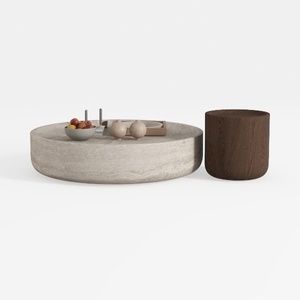
Minimalist Travertine Solid Wood Round Coffee Table Set 3D Model

Minimalist Solid Walnut Wood Organic Shape Side Table 3D Model

Deco 79 Plastic Rattan Handmade Living Room Accent

Minimalist Brown Velvet Chaise Lounge 3D Model

Rustic Natural Wood Twig Floor Lamp 3D Model
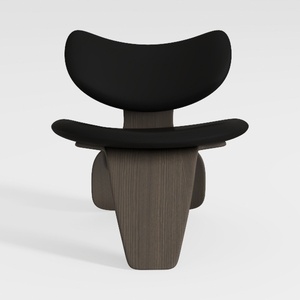
Furgle Mid Century Modern Shell Lounge Chair, PU L
FAQ
Q1: How do Harmonious Zen and Scandinavian Minimalism differ in material choices?
Harmonious Zen centers on natural, often raw materials like bamboo, stone, and untreated wood that enhance a grounded ambiance. Scandinavian Minimalism favors lighter woods, metal, and textiles engineered for comfort and simplicity.
Q2: Can these two styles be blended in one space?
While both emphasize simplicity, blending them requires careful balance to prevent clashing contrasts—focus on harmonizing the earthiness of Zen with the brightness of Scandinavian Minimalism through transitional materials and colors.
Q3: Which style is better for small urban apartments?
Scandinavian Minimalism is typically better suited due to its emphasis on maximizing light and utilizing compact, multifunctional furniture, while Harmonious Zen is ideal where space allows for a more intimate, immersive environment.
Homestyler's roots trace back to Autodesk, the global leader in design and engineering software. That heritage lives on in every feature we build. Today, with a community of more than 18 million users worldwide, Homestyler continues to make professional-quality interior design accessible to everyone — from first-time decorators to seasoned architects.
Homestyler has millions of users worldwide, making it one of the most popular online home design platforms.
Desain sekarang Gratis
































