

Introduction
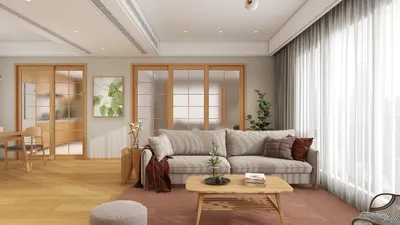
Harmonious Zen is a style rooted deeply in ancient Eastern philosophies, emphasizing balance, mindfulness, and an intrinsic connection to nature. It refuses excess and ornamental clutter, instead channeling a calm energy through purposeful minimalism and subtle sophistication. This aesthetic is not merely decorative but a philosophy reflected spatially, where every element’s placement and presence matter. Originating from principles of Zen Buddhism, the design advocates for serene simplicity, encouraging spaces that foster tranquility and introspection. The resulting environments resonate with quiet elegance, devoid of distraction, yet rich in texture and natural dialogue. Harmonious Zen embraces imperfection and impermanence, favoring natural materials that age gracefully and embody the beauty of subtle transition. This nuanced interplay of restraint and nature cultivates interiors that harmoniously balance form and function, inviting inhabitants to slow down and engage deeply with their surroundings.
Core Elements
Color Palette: Harmonious Zen employs a muted, earthy spectrum that centers on soft neutrals and warm tones inspired by nature’s own canvas. Shades of sandy beige, gentle taupe, muted browns, and subdued greens create an atmosphere of calm and grounding. The use of off-whites and delicate greys imparts a subtle luminosity without overpowering the senses. These colors aren’t meant to draw attention but to recede gracefully, allowing textures and forms to arise organically. The palette is meticulously chosen to foster balance—neither too bright nor too dark—providing harmony within the space and encouraging a subtly elevated mood. Through layering these soft hues, the style crafts spaces that appeal to the soul’s need for peace and quietude, steering clear of harsh contrasts or overly saturated tones. This carefully curated chromatic approach underlines the aesthetic’s devotion to serenity and timelessness.
Materiality: Central to the Harmonious Zen aesthetic is the use of natural, tactile materials that convey authenticity and warmth. Wood is a dominant player, often left with its grain and texture visible to celebrate organic imperfection. Stone surfaces and clay elements further reinforce the connection to earth, bringing a weight and permanence that anchors the interiors. Linen, cotton, and other natural fabrics provide softness and comfort, counterbalancing the solidity of harder materials. These materials age beautifully, transforming with time yet maintaining a dignified presence that invokes a sense of calm permanence. Sustainability and sensory engagement underpin material choices, making touch and sight equally important in the experience of the space. Honoring simplicity, surfaces are kept unadorned, occasionally enhanced with subtle texture rather than ornamentation, enabling materials to speak for themselves and create a tactile narrative.
Form and Shape: The forms embraced by Harmonious Zen are understated yet deliberate, favoring clean lines and geometric clarity that echo the quiet order of nature. Curves are gentle, often inspired by organic shapes such as pebbles, jars, or the flow of water, avoiding angular harshness. Furniture and architectural details maintain a low profile, encouraging contemplation rather than distraction. Negative space features prominently; it's not about filling the room but creating breathing zones that evoke open, uncluttered environments. Proportions lean towards balance and symmetry but allow for subtle asymmetry that imbues the design with life and authenticity. This intentional simplicity encourages spatial mindfulness, the architecture framing experiences rather than dominating them. The cumulative effect is a composed environment where form follows serene function, molding spaces that feel expansive and intimate in equal measure.
Designing the Look
Homestyler’s ‘Harmonious Zen’ offers a comprehensive set of ready-to-use 3D models specifically curated to embody this aesthetic, allowing designers to achieve authentic results with professional-grade textures and forms. These models capture the essence of muted palettes, natural materials, and streamlined forms, bringing the philosophy of tranquility and balance directly into digital design workflows. Interiors shaped by this package showcase softness in materiality and boldness in simplicity, providing a solid foundation to compose peaceful sanctuaries or sophisticated minimalism-enhanced living spaces. By integrating these highly detailed assets, professionals can bypass the exhaustive search for perfectly aligned elements and instantly work with a toolkit that respects the style’s nuanced requirements. The realistic surfaces and measured proportions contained within the models enable an immersive pre-visualization of spatial moods, especially beneficial for refined tastes that demand authenticity over artificiality. Additionally, the package supports adaptations and customizations, allowing designers to align the core aesthetic with unique spatial constraints and client preferences while maintaining the aesthetic’s defining balance. Whether crafting a residential retreat or a contemplative commercial interior, this specialized library facilitates a thoughtful interpretation of Zen-infused harmony through tangible, digital means.
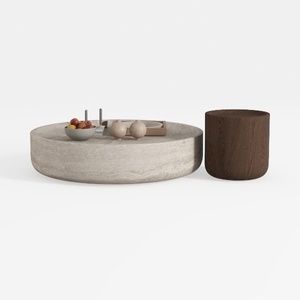
Minimalist Travertine Solid Wood Round Coffee Table Set 3D Model

Minimalist Solid Walnut Wood Organic Shape Side Table 3D Model

Deco 79 Plastic Rattan Handmade Living Room Accent

Minimalist Brown Velvet Chaise Lounge 3D Model

Rustic Natural Wood Twig Floor Lamp 3D Model
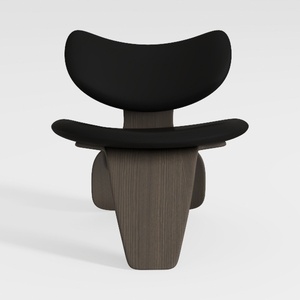
Furgle Mid Century Modern Shell Lounge Chair, PU L
FAQ
Q1: What defines the Harmonious Zen style in interior design?
Harmonious Zen is defined by its commitment to simplicity, natural materials, and calm color palettes rooted in Eastern philosophy. It focuses on creating peaceful environments through minimalist forms, tactile textures, and balanced spatial arrangements that encourage mindfulness and tranquility.
Q2: How can one incorporate Harmonious Zen elements into a modern home without losing functionality?
Incorporating Harmonious Zen requires prioritizing uncluttered layouts, using natural woods, stone, and fabrics, and selecting muted colors that harmonize. Furniture with clean, gentle curves and ample negative space ensures the home remains practical and serene. Layering texture rather than decorative items preserves functionality while adding depth.
Q3: What are common mistakes to avoid when designing Harmonious Zen interiors?
Common pitfalls include overdecorating, choosing overly bright or synthetic materials, and neglecting the importance of negative space. Cluttering contradicts the style’s philosophy of calmness, while harsh colors or artificial textures undermine the natural and authentic feel crucial to the aesthetic’s success.
Homestyler's roots trace back to Autodesk, the global leader in design and engineering software. That heritage lives on in every feature we build. Today, with a community of more than 18 million users worldwide, Homestyler continues to make professional-quality interior design accessible to everyone — from first-time decorators to seasoned architects.
With Homestyler, you can design and visualize your living spaces online with stunning, realistic results.
Design Now for FREE
































