


What is the most common core issue in Harmonious Zen style? Imbalance between minimalism and warmth disrupts serene harmony.
1. Over-cluttering defeats minimalist intent. 2. Ignoring natural materials reduces authenticity. 3. Poor lighting diminishes calm ambiance. 4. Mixing incompatible styles breaks cohesion. 5. Neglecting scale creates disproportion.
When I started designing with the Harmonious Zen style, I quickly realized how easy it was to miss the subtle balance it demands. The style’s appeal lies in calm simplicity combined with warmth and nature-inspired elements. Yet many projects falter, overwhelmed either by over-decoration or by sterile minimalism that feels cold. Achieving the right tension between empty space and inviting comfort is challenging and often misunderstood, leading to interiors that fail to embody true Zen harmony.
Why It Goes Wrong
Most failures in Harmonious Zen result from disproportionate use of decorative elements or blending conflicting style cues. Excessive ornamentation breaks the peaceful minimalism, while insufficient attention to natural textures makes spaces feel lifeless. Additionally, neglecting scale and proportion leads to disjointed interiors lacking fluidity and calm coherence.
Mistake 1: Over-cluttering the space with unnecessary objects. The Mistake: Crowding the room negates minimalism and creates visual noise. Why It Happens: A desire to add personality or stem from uncertainty about what to keep. The Fix: Adopt strict editing—limit décor items to under 5 per main area; maintain clear surfaces to enhance tranquility.
Mistake 2: Using synthetic or cold materials instead of natural wood, stone, or bamboo. The Mistake: Artificial textures undermine the authentic organic feel. Why It Happens: Cost-saving or unawareness of how materiality impacts atmosphere. The Fix: Prioritize real materials or high-quality realistic substitutes; integrate tactile elements like woven textiles or stone accents.
Mistake 3: Insufficient or harsh lighting disrupting mood. The Mistake: Over-reliance on overhead fluorescents destroys soft ambiance. Why It Happens: Budget constraints or ignoring layered lighting design. The Fix: Use dimmable warm LED lights, multiple light sources layered at various heights, and maximize natural light with sheer curtains.
Mistake 4: Mixing contemporary furnishings with ornate traditional decor creating confusion. The Mistake: Conflicting style languages weaken cohesive identity. Why It Happens: Desire to showcase diverse tastes or misinterpretation of Zen simplicity. The Fix: Select minimalist furnishings with subtle traditional motifs; avoid heavy embellishments; focus on clean lines.
Mistake 5: Ignoring scale and proportion leading to awkward layouts. The Mistake: Furniture too large or small disrupts spatial flow. Why It Happens: Lack of planning or misunderstanding spatial dynamics. The Fix: Measure spaces precisely; use furniture scaled to room dimensions—ideally mid-sized low profile pieces for openness.
Designing the Look
Homestyler’s ‘Harmonious Zen’ offers a comprehensive set of ready-to-use 3D models specifically curated to embody this aesthetic, allowing designers to achieve authentic results with professional-grade textures and forms.
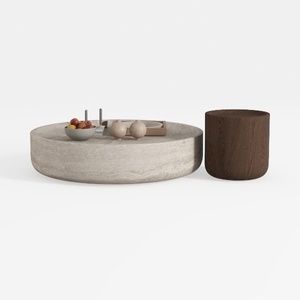
Minimalist Travertine Solid Wood Round Coffee Table Set 3D Model

Minimalist Solid Walnut Wood Organic Shape Side Table 3D Model

Deco 79 Plastic Rattan Handmade Living Room Accent

Minimalist Brown Velvet Chaise Lounge 3D Model

Rustic Natural Wood Twig Floor Lamp 3D Model
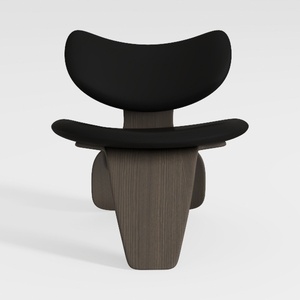
Furgle Mid Century Modern Shell Lounge Chair, PU L
FAQ
Q1: How can I ensure my Harmonious Zen space doesn’t feel cold or sterile?
Focus on layering natural textures like wood, linen, and stone throughout the room. Balance minimalism with warmth by incorporating soft textiles and ambient lighting. Avoid overly sleek or shiny finishes, which can feel impersonal.
Q2: Is it necessary to use traditional Japanese elements to achieve Harmonious Zen?
While traditional components such as shoji screens or tatami mats can enhance authenticity, they are not mandatory. The core lies in simplicity, natural materials, and a calm palette. Modern interpretations can maintain Zen principles without strict adherence to historical décor.
Q3: How do I balance minimalism and comfort in this style?
Limit décor and furniture to essentials, ensuring each piece serves a purpose. Prioritize comfort through ergonomic furniture and plush, natural fabrics. Keep color schemes muted to foster relaxation, yet include soft accents to avoid starkness. Light control is vital—use layered lighting to create a cozy, inviting atmosphere.
Homestyler's roots trace back to Autodesk, the global leader in design and engineering software. That heritage lives on in every feature we build. Today, with a community of more than 18 million users worldwide, Homestyler continues to make professional-quality interior design accessible to everyone — from first-time decorators to seasoned architects.
Design your ideal space with Homestyler, turn your creativity into reality, and craft a unique home style that is truly your own.
Design Now for FREE
































