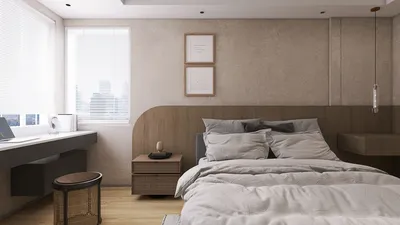


A defining challenge in embracing the Harmonious Zen style lies in balancing minimalism with sensory warmth to create a space that feels both uncluttered and deeply inviting. This aesthetic demands a careful curation of spatial arrangements where negative space is as significant as the objects themselves. It is not merely about sparse furnishing but about orchestrating each element to contribute to a quiet dialogue of form and function. The core design tension arises from the need to avoid sterility, which can easily occur when minimalism is pushed to an extreme. Instead, the style encourages warm natural materials and soft textures to coexist with a restrained palette, providing tactile contrast that engages the senses without overwhelming. In this pursuit, designers must navigate the juxtaposition between simplicity and richness. Every choice — from furniture lines to selecting organic forms — must emphasize harmony and flow. The arrangement should foster calmness, offering visual rest and physical comfort. The placement of furniture needs to respect human scale and promote movement free from obstruction, while encouraging moments of stillness and connection with nature-inspired details. Harmonious Zen also invites a refined use of light and shadow, utilizing natural illumination or gentle artificial lighting to produce depth and nuance. Subtle variations in color, focusing on earthy tones and muted hues, sustain the peaceful ambiance while enabling subtle focal points that draw the eye effortlessly around the space. Ultimately, the challenge is to test restraint without sacrificing warmth, allowing a home or office interior to feel like a breathing, serene sanctuary that supports well-being and mindfulness in daily life.
Step 1: Layout Logic — Spatial Proportion and Furniture Placement
Establishing the right layout is fundamental to materializing Harmonious Zen’s spirit of balance and serenity. With spatial proportion at the forefront, avoid overcrowding by selecting furniture that fits the room scale precisely. Begin by determining the focal point, which could be a window bringing in natural light or a simple art piece, and orient seating to encourage both conversation and contemplation. Use negative space deliberately to foster a breathing room effect. This means leaving strategic gaps between furniture, ensuring pathways allow for fluid movement without congestion. For instance, maintain a minimum clearance of 60–75 cm between major furniture pieces to support comfort and ergonomic flow. The furniture forms themselves should be low-profile with smooth, natural lines, often crafted from wood or bamboo, to keep the connection with nature intact. Arrange pieces so that surfaces align visually, creating horizontal and vertical lines that direct the eye calmly. Symmetry can be used subtly but shouldn’t be rigid; asymmetrical balance often produces a more relaxed and organic feel. Modular components or multi-functional pieces enhance flexibility — during gatherings, furniture can be rearranged to accommodate more people while still preserving the overall harmony of the space. Additionally, zoning areas with rugs or floor cushions maintains cohesion without erecting physical barriers, integral for open-plan layouts common in Zen-inspired interiors. Finally, consider storage solutions that conceal clutter yet remain accessible, such as built-in cabinets with natural finishes. This approach sustains the uncluttered atmosphere vital to Harmonious Zen design.
Step 2: Light and Color — Tone Selection and Lighting Combinations
The subtleties of light and color are critical tools for nurturing calmness within Harmonious Zen interiors. Focus primarily on a palette inspired by nature: muted greens, soft beige, gentle greys, and sandy browns. These gentle shades create a neutral background that invites mindfulness and reduces visual tension. When choosing wall colors and textiles, favor matte finishes to avoid harsh reflections and to soothe the eyes. Layering different tones within the same color family adds depth without sacrificing simplicity — a sandy taupe couch paired with a warm ivory rug exemplifies this technique. Lighting should emulate the gentle transitions found outside in the early morning or twilight. Maximize natural daylight by using sheer curtains or leaving windows unobstructed. For artificial sources, opt for warm temperature LEDs with dimmable options, allowing the ambiance to shift from functional daylight mimicry to soft mood settings in the evening. Balanced lighting combinations include ambient overhead fixtures paired with task lighting, such as slender floor lamps positioned beside seating for reading. Accent lighting subtly illuminates natural materials or artwork, enhancing texture and drawing attention to carefully curated details. Avoid harsh spotlights and blue-tinted bulbs, as these break the serene atmosphere. Instead, select frosted or fabric lampshades that diffuse light evenly. Consider integrating indirect lighting methods like cove or recessed lights that wash walls softly, contributing to the Zen ethos of calmness through indirect sensory input.
Step 3: Finishing Touches — Small-Scale Models Enhance Overall Texture
Accessorizing in Harmonious Zen style demands restraint and an eye for quality over quantity. Small-scale decorative models play a pivotal role in enriching texture without contributing visual clutter or distraction. Start with natural elements — polished river stones, bamboo vases, or small bonsai trees add life and organic shapes that resonate with the overall aesthetic theme. Their scaled-down presence allows appreciation of form and detail, fostering a meditative quality. Incorporate handcrafted ceramics or handwoven textiles as tabletop adornments. These pieces bring subtle imperfections and texture variations, which are essential to the tactile richness that distinguishes the style. Lighting fixtures can double as sculptural objects; a simple wooden candle holder or minimalist metal lantern becomes a focal point as well as a functional element. Consider grouping these items in odd numbers for balanced asymmetry: three small sculptures or two textured cushions arranged thoughtfully. Keep surfaces clutter-free by choosing a limited number of impactful objects rather than many smaller pieces. The goal is to stimulate without overwhelming, encouraging moments of quiet observation. Every item should earn its place by contributing to the cohesive sensory narrative through material authenticity and proportional harmony. Plants with simple leaves or grasses in clear glass or matte earthenware pots offer freshness and vitality, completing the ensemble with dynamic yet calming greenery.
Designing the Look
For designers working in Homestyler, the Harmonious Zen is a practical shortcut to authenticity. It removes the guesswork from sourcing — every piece is pre-matched in scale, material, and proportion to deliver a coherent Zen-inspired result.
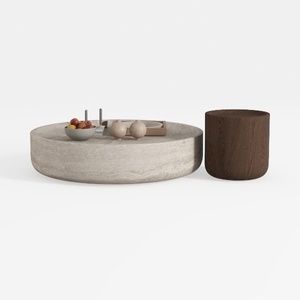
Minimalist Travertine Solid Wood Round Coffee Table Set 3D Model

Minimalist Solid Walnut Wood Organic Shape Side Table 3D Model

Deco 79 Plastic Rattan Handmade Living Room Accent

Minimalist Brown Velvet Chaise Lounge 3D Model

Rustic Natural Wood Twig Floor Lamp 3D Model
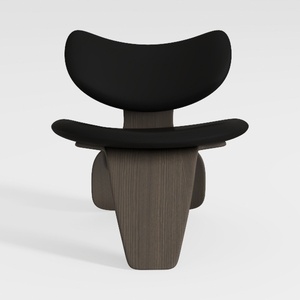
Furgle Mid Century Modern Shell Lounge Chair, PU L
FAQ
Q1: How can I effectively balance minimalism and warmth in Harmonious Zen interiors without making the space feel cold?
The key lies in material selection and layering textures. Introduce warm tactile materials such as soft wool throws, natural wood, and ceramic accessories alongside the clean minimal lines. Strategic placement of fabric cushions and area rugs with earthy hues creates inviting zones that soften starkness. Lighting also plays a crucial role— use warm light temperatures and diffused sources to generate a cozy atmosphere that complements minimalist forms.
Q2: What are practical layout tips to maintain flow and openness in small-scale Harmonious Zen rooms?
Prioritize multifunctional furniture that can be easily moved or reconfigured to maximize flexibility. Avoid bulky or overly decorative pieces; instead, pick slim, low-profile designs that keep sightlines open. Maintain clear circulation paths by calculating clearance zones and removing unnecessary items. Use area rugs or floor cushions to subtly differentiate zones without dividing the space physically, preserving a light and flowing environment.
Q3: Which types of lighting fixtures best support the tranquil ambiance central to Harmonious Zen design?
Opt for fixtures with diffuse light emission such as frosted glass pendants, paper lanterns, or fabric-shaded lamps. Incorporate dimmable warm LEDs to tailor brightness levels throughout the day. Indirect fixtures like wall washers and cove lighting help avoid harsh shadows and promote a soft glow. Incorporating candles or small lanterns can also add a natural flickering warmth conducive to relaxation.
Built on technology originally developed at Autodesk, Homestyler empowers anyone to design beautiful, realistic spaces in minutes. Join over 18 million users who have already discovered a smarter way to plan, visualize, and bring their dream homes to life — all from the comfort of a browser.
Homestyler has millions of users worldwide, making it one of the most popular online home design platforms.
Design Now for FREE
































