

Introduction
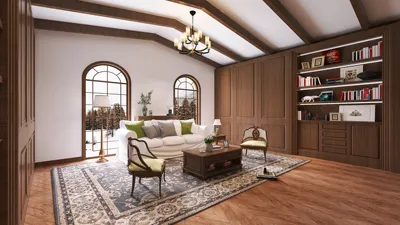
Green Haven style emerges from a desire to reconnect interior living with the calming and grounding forces of nature. This aesthetic philosophy revolves around the seamless blend of natural elements and modern design principles. It expresses a dedication to wellness and sustainability, reflecting a deep-seated yearning for environments that nurture the senses while maintaining sophistication. Rooted in the belief that interiors should serve as sanctuaries, it embraces simplicity balanced with thoughtful complexity. This style channels the serenity of verdant spaces, integrating organic materials and lush greenery into everyday living. It steps away from urban rigidity, inviting a harmonious coexistence between indoor comfort and outdoor tranquility. The philosophy behind Green Haven is less about replication of the outdoors and more about evoking an emotional resonance with nature. This approach manifests visually through careful choices of color, texture, and form, all working together to create spaces that are tactile, inviting, and environmentally mindful. It's not just a look but a lifestyle statement that honors the planet while enhancing human experience in a subtle yet impactful way.
Core Elements
Natural Hues: The Green Haven palette is rooted in earth tones that evoke a sense of calm and authenticity. Greens range from deep forest to muted sage, complemented by soft browns, warm beiges, and clean whites. This chromatic harmony mimics the subtle variations found in nature, crafting a soothing ambiance that supports relaxation and clarity. Such color schemes allow for versatile pairing with natural light, enhancing the perception of space and enriching textures without overwhelming the senses. The restrained yet rich use of color provides visual interest while maintaining a grounded feel, essential for spaces seeking balance between vibrancy and tranquility.
Organic Textures: Texture plays a pivotal role in Green Haven aesthetics by adding depth and sensory engagement. Materials such as raw wood surfaces, handwoven textiles, rattan, and stone introduce tactile variety that speaks to craftsmanship and authenticity. These textures work to break the uniformity of smooth finishes, inviting the touch and encouraging prolonged presence within a space. The deliberate play of rough and smooth, matte and glossy creates a compelling dialogue of contrasts that enrich the overall ambiance. The choice of materials often emphasizes sustainability and renewability, reinforcing the style’s environmental ethos. Integrating such textures elevates interiors beyond visual appeal, making them immersive and connection-oriented.
Fluid Forms: The structural language of Green Haven abandons sharp edges and rigid geometries in favor of curves and irregular shapes inspired by natural growth patterns. Furniture pieces often feature rounded profiles, gentle arcs, and asymmetrical silhouettes that mirror organic forms like leaves, river stones, or flowing water. This softness in contour fosters a welcoming atmosphere and mitigates the sterile impression commonly associated with modern minimalism. Furthermore, these forms contribute to a spatial rhythm that feels intuitive and unrestricted, encouraging movement and flexibility. Incorporating fluid shapes also complements the natural textures and muted colors, enhancing an overall sense of coherence and harmony within interior compositions.
Designing the Look
Homestyler’s ‘Green Haven’ offers a comprehensive set of ready-to-use 3D models specifically curated to embody this aesthetic, allowing designers to achieve authentic results with professional-grade textures and forms. The practical value of this collection lies in its meticulous representation of the Green Haven ethos, from natural wood finishes to plush upholstery and shaped furniture that perfectly balances elegance with eco-conscious charm. By leveraging these models, designers can prototype immersive interiors that convey genuine warmth and subtle complexity. This toolkit supports innovations in arrangement and composition while maintaining adherence to the style’s core visual language. Additionally, it reduces the iterative design process by providing accurately crafted elements that respond effectively to lighting and spatial dynamics in 3D environments. Through integrating these assets, professionals can efficiently communicate design intentions to clients, enabling clear visualization of how materials, hues, and forms interplay within a space. This capability is particularly crucial when aiming for interiors that resonate emotionally and aesthetically with inhabitants.

Bohemian Rattan Round Ottoman Coffee Table 3D Model

Minimalist Concrete Irregular Edge Coffee Table 3D Model

Minimalist Solid Oak Folding Director Chair 3D Model

bench-Green Haven

Marble Classic Round Outdoor Garden Water Fountain 3D Model

Black Ceramic Vase with Kumquat Plant Decor 3D Model
FAQ
Q1: How can I incorporate Green Haven elements in a small urban apartment?
In small spaces, prioritize the use of an earth-toned color palette with accents of greenery to visually expand the environment. Incorporate multifunctional furniture with fluid forms to maximize utility without overcrowding. Utilize textural contrasts like woven baskets or stone accessories to add depth without bulky additions. The idea is to create pockets of nature-inspired calm without overwhelming limited square footage.
Q2: What sustainable materials align best with the Green Haven style?
Natural, renewable materials such as reclaimed wood, bamboo, cork, organic cotton, and wool are excellent choices. Additionally, non-toxic finishes and low-VOC paints contribute to environmental responsibility while maintaining the aesthetic. Choose suppliers who emphasize ethical sourcing to ensure that sustainability is embedded in both design and execution.
Q3: How does lighting impact Green Haven interiors?
Lighting should mimic natural cycles, favoring soft, warm light temperatures to enhance comfort and emphasize textures and colors authentically. Incorporating large windows or skylights allows daylight to animate the space, while layered lighting schemes with adjustable intensity help adapt the environment for different moods and times of day.
Homestyler's roots trace back to Autodesk, the global leader in design and engineering software. That heritage lives on in every feature we build. Today, with a community of more than 18 million users worldwide, Homestyler continues to make professional-quality interior design accessible to everyone — from first-time decorators to seasoned architects.
Homestyler offers a vast library of furniture and decoration materials to meet all your design needs.
Desain sekarang Gratis
































