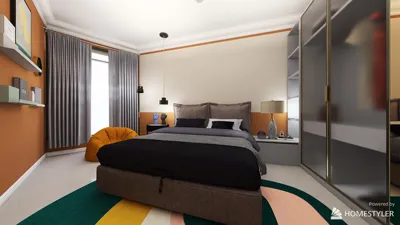


Green Haven style emphasizes a seamless fusion between nature-inspired elements and balanced spatial design. The challenge lies in orchestrating an interior that feels lush yet uncluttered, organic yet structured. Achieving this requires careful attention to how each component relates to the others in scale, texture, and tone. An indoor environment must simultaneously evoke tranquility and vibrancy; too much greenery or pattern risks visual chaos, while too little becomes sterile. The core design challenge is to curate a layered, immersive experience that guides the eye comfortably while maintaining liveliness. Establishing clear zones within open plans ensures functional flow without disrupting the natural continuity. Incorporating tactile plant-based materials such as rattan, sisal, or linen adds dimension without overwhelming. Selecting muted earthy hues with occasional deep greens or moss accents strengthens the botanical theme without saturating the palette. Natural wood grains and matte stone finishes prevent glare and create subtle rhythm. Furniture lines should marry simplicity with ergonomic curves, reflecting organic shapes but preserving modern clarity. Integrating biophilic design principles goes beyond decor—ventilation, daylight access, and sightlines are calibrated to intensify wellbeing. Artifacts and accessories are carefully chosen for authentic craftsmanship rather than mass production, providing a story and depth to each vignette. This multifaceted approach turns a ‘green’ interior into a refined retreat rather than a garden simulation. Immediate visual fidelity must coexist with a timeless quality that avoids trend-driven clutter or gimmicks. Practitioners face the ongoing negotiation between the lushness of natural inspiration and the restraint of elegant composition. Green Haven thus succeeds by layering texture, proportion, and light to embody an organic sanctuary that feels sophisticatedly curated, inviting, and balanced from entry to every corner.
Step 1: Layout Logic — Spatial Proportion and Furniture Placement
Crafting the Green Haven interior begins with a foundation in spatial harmony. The layout must respect human movement while reflecting nature’s gentle asymmetry. Start by zoning to create inviting pockets — a reading nook near a window or a dining area adjacent to greenery. Use furniture size as a spatial ruler: lounge chairs with mid-height backs maintain openness, and modular sofas encourage flow. Avoid heavy block shapes that overwhelm natural light penetration. Aim for layering rather than clustering. Position larger pieces against walls or corners to anchor space, leaving pathways intuitive and unobstructed. Choose furniture with light frames and exposed legs to add airiness and allow floor visibility, which visually expands the room. Angle seating subtly rather than rigidly parallel to walls, mirroring organic angles found outdoors. A low-profile coffee table in natural materials grounds the center without creating barriers. Balance vertical and horizontal elements—tall plants offsetting lower furniture complement an island kitchen counter or console. The Green Haven model pushes a measured scale where oversized or minuscule pieces are consciously omitted. It esta-blishes a dialogue between objects rather than a visual pileup. If integrating multiple functions like living and workspace, define each zone with rugs or planter screens to avoid visual confusion. Natural dividers such as open shelving with wooden slats add texture and maintain spatial fluidity. Consider flow: furniture arrangements should guide a gentle circuit through the room, inviting moments of pause in curated viewpoints towards greenery or art. All these choices embody the core of the Green Haven style — coherency in spatial ratios, a graceful balance of natural lines and open breathing room.
Step 2: Light and Color — Tonal Choices and Light Source Coordination
In the Green Haven aesthetic, the interplay of light and color activates the natural vibe. The palette draws primarily from muted earth tones — warm beiges, soft taupes, and creamy whites — combined with deep greens, olive shades, and moss accents to echo foliage. Walls work best in matte finishes to absorb light softly and reduce glare, enhancing a calm ambiance. Introduce subtle tonal shifts through upholstery and textiles — linen cushions in sandy hues or woven throws in pale sage. Lighting layering is key: maximize daylight by choosing window treatments that diffuse rather than block light, such as sheer linen curtains or adjustable wooden blinds. Incorporate warm ambient lighting with suspended fixtures in natural materials like bamboo or woven cane. Select bulbs with a warm color temperature (2700K–3000K) for coziness. Complement overheads with adjustable floor or table lamps in sculptural forms reminiscent of tree branches or leaves. Accent lighting can emphasize plant installations or natural artwork—directional LED spots integrated with wood or rattan frames work elegantly. Reflections on wooden and stone surfaces create soft depth when timed with dimmers, enabling mood transitions from lively daytime energy to relaxed evenings. Avoid ultra-bright or harsh fluorescent lighting as it breaks the organic illusion. In wall colors and furniture fabrics, inject restrained hints of terracotta or burnt sienna for warmth without dominating the scene. The Green Haven style’s success in light and color lies in subtlety and the feeling of natural progression rather than jarring contrasts. Well-curated light sources positioned for functionality also double as sculptural elements that echo the living environment. This orchestrated dialogue between color and light breathes the interior to life.
Step 3: Finishing Touches — Small-Scale Models Enhancing Texture and Quality
Subtlety in decorative objects and finishing touches dramatically elevates the Green Haven style. Small-scale models such as handcrafted ceramics, concrete planters, or woven baskets offer tactile contrast against smoother wood and stone surfaces. Curate items that provide layered textures to invite touch and curiosity. Consider clusters of differing heights—stacked books with a small succulent atop or a trio of vases in varying earth tones. Natural fibers in rugs, cushions, and wall hangings create warmth and dimensionality. Integrate artisan-made objects sourced from local craftspeople to ensure authenticity and uniqueness. Refrain from overly glossy or synthetic finishes which clash with the organic ethos. Use model plants with realistic foliage to reinforce greenery where live plants are impractical, paying attention to scale and proportion to avoid artificiality. The Green Haven furniture selections include benches, side tables, and seating with open weave patterns, perfect bases for layered accessories that don’t overpower. Choose metal elements sparingly—for example, aged brass or matte black steel—to add depth and slight contrast. Incorporate framed photographs or prints depicting natural landscapes but limit quantity to prevent visual noise. These finishing elements play a crucial role in tying the overall composition together, connecting the structural layout and color story with genuine materiality and subtle charm. The Green Haven style thrives on these carefully selected nuanced details which impart a refined, lived-in, natural quality.
Designing the Look
For designers working in Homestyler, the Green Haven is a practical shortcut to authenticity. It removes the guesswork from sourcing — every piece is pre-matched in scale, material, and proportion to deliver a coherent natural sanctuary result.

Bohemian Rattan Round Ottoman Coffee Table 3D Model

Minimalist Concrete Irregular Edge Coffee Table 3D Model

Minimalist Solid Oak Folding Director Chair 3D Model

bench-Green Haven

Marble Classic Round Outdoor Garden Water Fountain 3D Model

Black Ceramic Vase with Kumquat Plant Decor 3D Model
FAQ
Q: How do I maintain balance between greenery and open space in the Green Haven style?
Maintaining balance involves zoning and scale awareness. Use plants strategically as focal points rather than filling every surface. Place taller greenery near corners or windows and complement with smaller plants clustered on shelves or side tables. Ensure ample open floor space and visual breathing room by pairing furniture with slender profiles and positioning pieces to create clear pathways.
Q: What lighting fixtures best enhance the natural aesthetic without overpowering?
Opt for fixtures crafted from natural materials like bamboo, rattan, or wood. Suspended pendants with open weaves filter light softly, while lamps with organic shapes add sculptural interest. Warm LED bulbs with dimmable features allow control to adapt ambiance from bright, lively to calm and intimate, blending functionality with style.
Q: How can small decorative models avoid looking cluttered in this style?
Respect proportion and grouping principles: smaller objects should be arranged thoughtfully in threes or odd numbers for visual interest. Leave negative spaces around objects to prevent crowding. Select items with diverse but harmonious textures and muted color palettes that complement the room, ensuring each piece contributes a tactile or visual layer without competing.
Built on technology originally developed at Autodesk, Homestyler empowers anyone to design beautiful, realistic spaces in minutes. Join over 18 million users who have already discovered a smarter way to plan, visualize, and bring their dream homes to life — all from the comfort of a browser.
Homestyler's powerful 3D rendering feature brings your design concepts to life with incredible detail.
Diseño ahora GRATIS
































