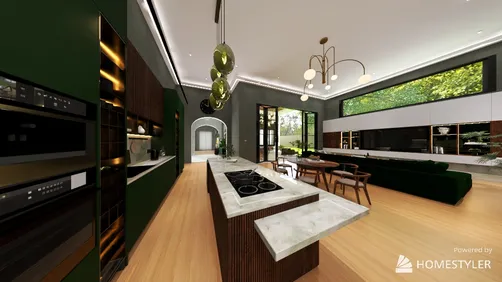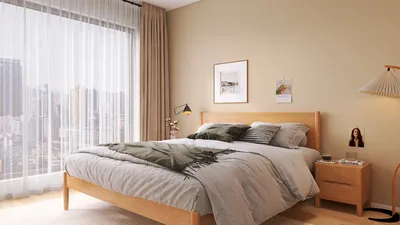



Introduction
Fruit & Veg Art represents a playful and vibrant design style that thrives on the celebration of natural forms and organic vitality. Its aesthetics stem from the philosophical commitment to embracing the raw beauty found in everyday fruits and vegetables, translating their colors, textures, and shapes into immersive interior environments. This style challenges conventional minimalism by infusing spaces with exuberant visual energy and a tactile warmth reminiscent of nature’s bounty. Grounded in a sensory exploration, Fruit & Veg Art draws inspiration from artisanal craftsmanship and sustainable materials, reflecting a renewed appreciation for organic life cycles and seasonal rhythms. By embracing the imperfections and unique characteristics of produce, this style perpetuates a sense of authenticity and freshness that disrupts sterile, overly polished interiors.
The philosophical underpinnings of Fruit & Veg Art are rooted in the intersection of nature and artifice; the design is an ode to the ephemeral beauty of organic matter, immortalized through creative reinterpretation. It elevates humble garden elements into focal points, challenging traditional hierarchies in design that often marginalize everyday natural objects. Furniture, decorative elements, and artwork within this style foreground motifs reminiscent of fruits and vegetables, encapsulating their vibrant hues and sculptural forms. This approach encourages a multisensory connection, evoking memories of the earth’s fertility and the rhythm of seasons, creating interiors that resonate with life and growth.
Core Elements
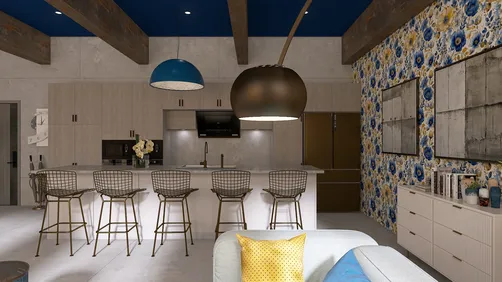
Color in Fruit & Veg Art bursts from natural palettes inspired directly by produce: the rich reds of ripe tomatoes, the deep purples of aubergines, the bright yellows of citrus, and the verdant greens of leafy vegetables. These colors are rarely muted; instead, they’re intensified to celebrate natural vibrancy and saturation. Interiors employing this aesthetic favor bold contrasts and layering, where complementary fruit-inspired colors coexist dynamically. Walls, textiles, and accessories often serve as canvases for these vivid hues, courting both attention and warmth. This chromatic choice breaks from understated neutrals, making spaces lively and invigorating, aligning with the style’s philosophy of visual generosity and organic exuberance.
Materiality plays a pivotal role by embracing textures synonymous with natural produce. Rough linen fabrics mimic the fibrous texture of vegetable skins, unpolished ceramics resemble the imperfections of garden harvests, and reclaimed woods evoke tactile connections to nature. Surfaces often showcase matte or semi-matte finishes that avoid artificial gloss, enhancing authenticity. Eco-conscious material selection is paramount, with an emphasis on sustainability and recyclability reflecting the style’s respect for organic origins. This tactile quality is essential to achieving the immersive experience of Fruit & Veg Art, making interiors tangible and inviting rather than overly clinical or synthetic.
Form within Fruit & Veg Art is characterized by soft, rounded, and sometimes asymmetrical silhouettes reminiscent of fruit and vegetable shapes. Furniture pieces might echo the plump curves of squashes, the lobed contours of leafy greens, or the bulbous forms of root vegetables. This biomorphic approach defies rigid geometry in favor of fluidity and natural irregularity. Repetitive motifs that mirror seeds, leaves, or vine patterns are often incorporated into decorative elements or architectural details. The playful yet sophisticated shapes invite interaction and curiosity, fostering a less formal and more experiential relationship with space. Each form becomes a sculptural element, balancing functionality with the evocative power of natural design.
Designing the Look
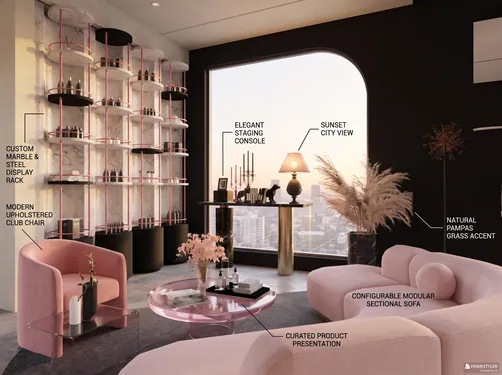
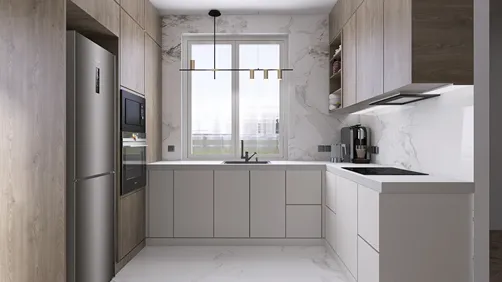
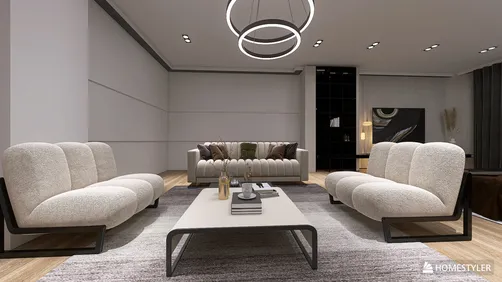
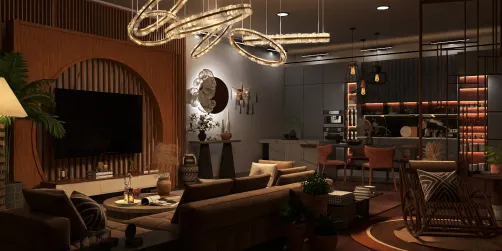
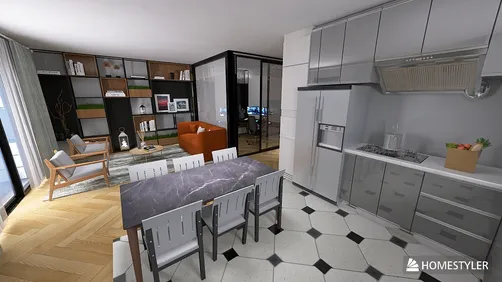
Homestyler’s ‘Fruit & Veg Art’ offers a comprehensive set of ready-to-use 3D models specifically curated to embody this aesthetic, allowing designers to achieve authentic results with professional-grade textures and forms. This resource streamlines the integration of the style’s nuanced visual language into design projects, furnishing users with models that capture the intricate vibrancy and tactility intrinsic to Fruit & Veg Art. From brightly colored cabinetry inspired by fruit hues to organically shaped furnishings and textural finishes reflecting vegetable skins, the model pack facilitates an accurate translation from concept to digital representation. Incorporating these models aids in visual experimentation and client presentations, making the sometimes-challenging task of balancing vivid color and organic form within interiors much more accessible.
The practical value of this curated model pack extends beyond aesthetics; it supports sustainable design choices by emphasizing natural textures and organic shapes, which can reduce reliance on synthetic materials or overly manufactured components. Designers are empowered to visualize how bold palettes and imperfect, natural forms resonate within interior layouts and spatial compositions. Moreover, the pack's versatility reaches various sectors, from residential kitchens rich with colorful accents evoking fresh produce to lively hospitality settings where thematic expression through furniture and texture creates inviting atmospheres. Homestyler’s resource helps bridge the gap between creative vision and execution, ensuring the Spirit of Fruit & Veg Art is maintained at all project phases.

bookcase-Library Furnishings

chair-Beauty SalonⅡ

side table-Autumn Fire Pit
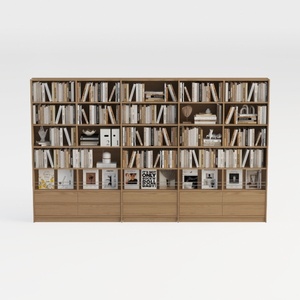
bookcase-Library Furnishings
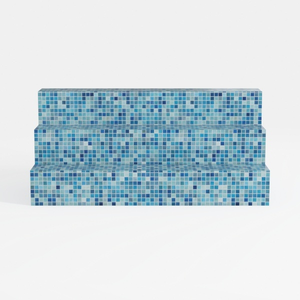
pool steps

Bonfires-Autumn Fire Pit
FAQ
Q1: How can I balance the intense colors of Fruit & Veg Art without overwhelming the space?
Incorporating accent walls or selective furniture pieces in vibrant hues paired with neutral backgrounds allows the colors to pop organically without dominating. Layering textures and using natural materials helps diffuse visual intensity, creating harmony between energetic colors and calming surfaces.
Q2: Are there specific materials best suited for achieving the authentic textures typical of this style?
Yes, materials like unglazed ceramics, raw linen, reclaimed hardwood, and matte natural stone replicate the tactile qualities found in fruits and vegetables. These evoke the organic imperfection central to the style and enhance the sensory experience within interiors.
Q3: Can Fruit & Veg Art be adapted for small urban apartments, or is it only for larger spaces?
The style’s modular and playful forms can easily translate to small spaces by using key statement pieces and focused color palettes. It encourages creative layering of textures and shapes without overcrowding, making it a viable and refreshing option for compact urban living as well.
What began as an Autodesk innovation has evolved into a design platform used by more than 20+ million registered users (platform data, 2026) around the globe. Homestyler combines powerful rendering, an intuitive editor, and a vast furniture library to help you turn inspiration into photorealistic designs — whether you're redesigning a single room or planning an entire home.
Design your ideal space with Homestyler, turn your creativity into reality, and craft a unique home style that is truly your own.
Design Now for FREE