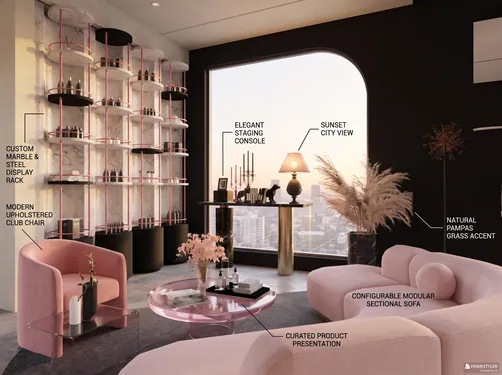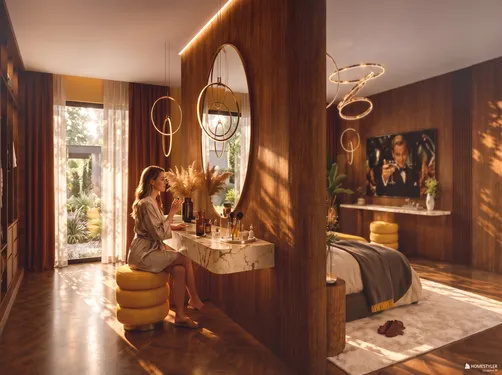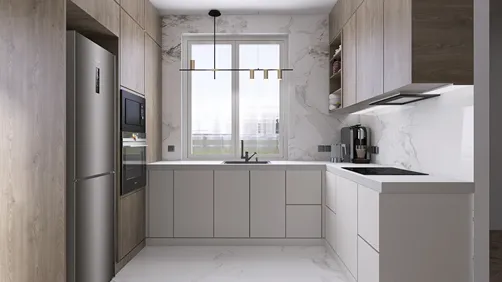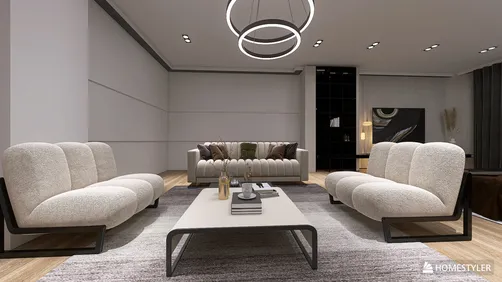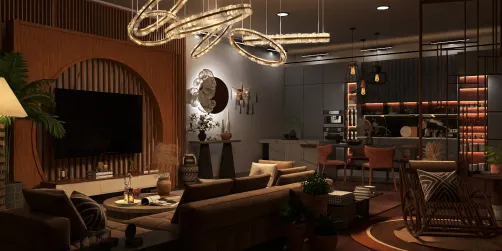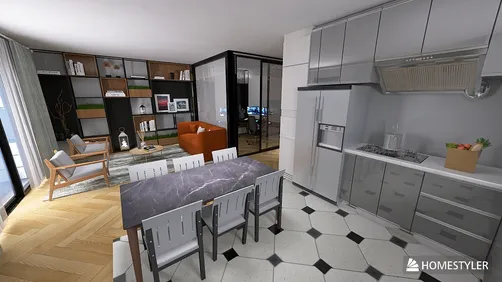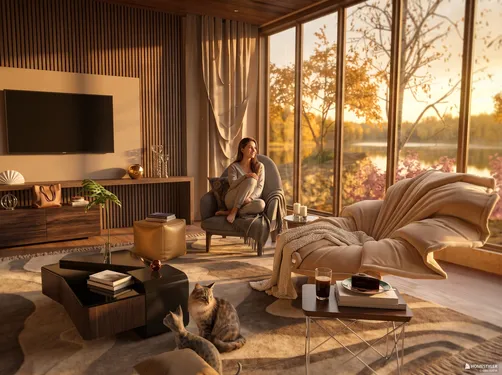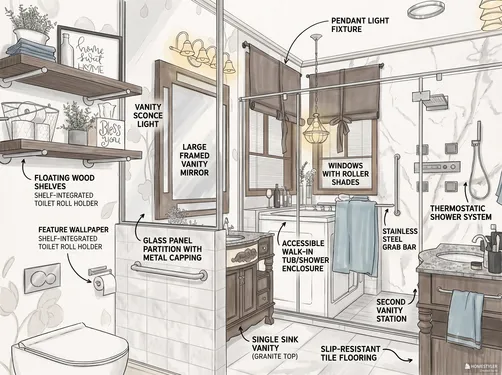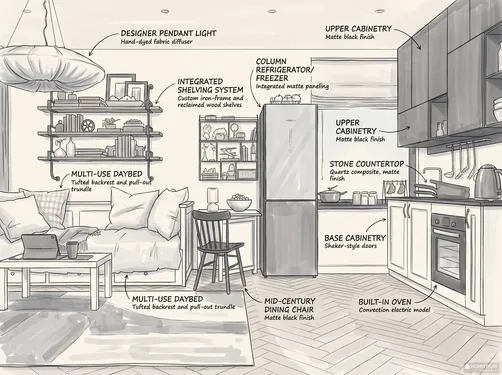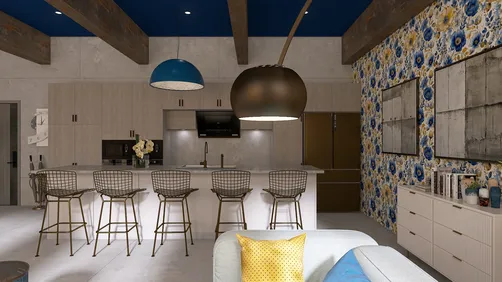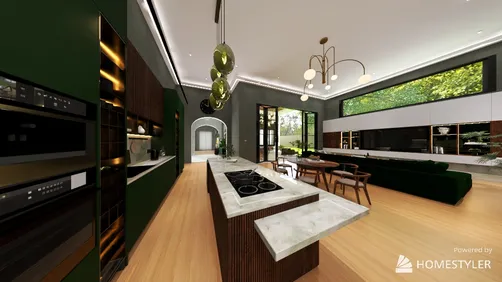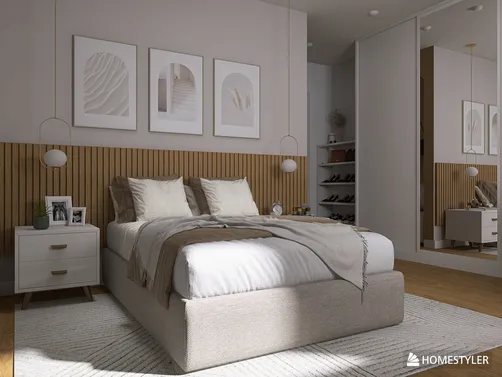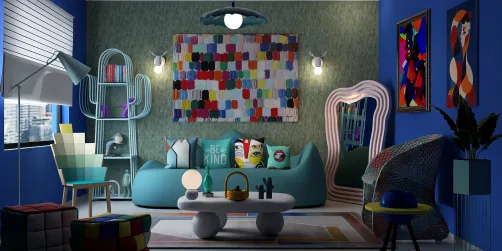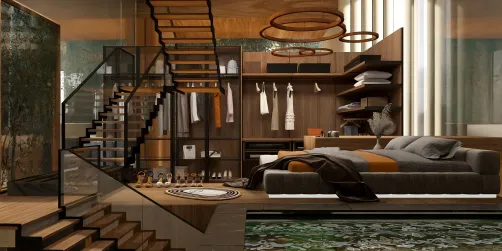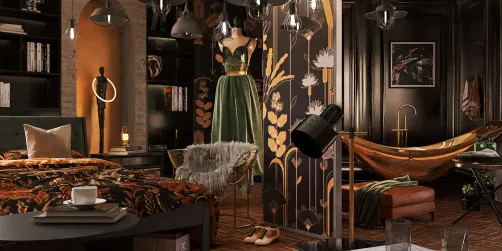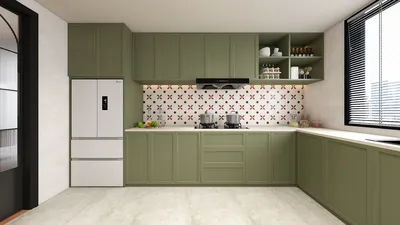

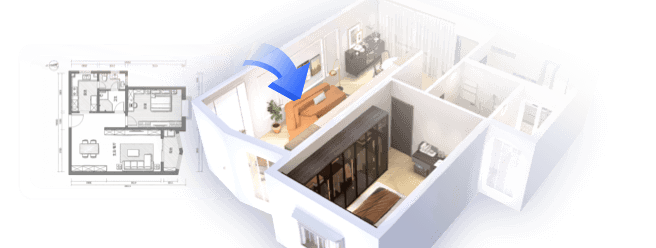
The Fruit & Veg Art style presents a fascinating design challenge rooted in harmonizing natural vibrancy with structured spatial composition. Unlike minimalist or industrial aesthetics that lean heavily on neutral palettes or stark geometry, this style demands a delicate balance between the vividness of organic forms and the orderliness of interior architecture. It requires curating an environment where lively, colorful motifs drawn from fruits and vegetables do not overwhelm but complement the furniture and surroundings. To succeed, designers must navigate the tension between natural exuberance and refined control. The fundamental difficulty lies in integrating these lively elements without creating visual chaos or disrupting spatial coherence. Each color, shape, and texture must amplify the room's atmosphere while respecting its physical limits. This style challenges interior decorators to think beyond simple themes, demanding sophisticated layering of hues, materials, and forms. Notably, the Fruit & Veg Art approach thrives by celebrating imperfections and organic irregularities rather than erasing them. This fosters spaces that feel both alive and thoughtfully composed. The key is to ensure that dynamic motifs—such as a bold pattern inspired by tomatoes or leafy greens—are anchored by neutral or muted backgrounds and carefully chosen focal points. Without this balancing act, the design risks becoming overly busy or gimmicky. Moreover, implementation calls for attention to the scale and placement of decorative elements inspired by produce, ensuring they interact gracefully with furniture and room proportions. Elements like cushions, wall art, or tableware must integrate in a way that feels seamless, avoiding visual competition. Selecting light sources that enhance the natural palette's warmth without causing harsh reflections or shadows is also vital. This interplay of lively organic forms with calm structural elements forms the design's core narrative. Crafting interiors in the Fruit & Veg Art style involves a nuanced understanding of contrast, rhythm, and harmony. The result is spaces that evoke freshness and vitality without compromising elegance or functional comfort. For designers willing to delve into these sophisticated spatial and chromatic relationships, the style offers a rich avenue for inventive, joyful interiors.
Step 1: Layout Logic — Spatial Proportions and Furniture Placement
Balancing scale and placement is crucial in Fruit & Veg Art interiors to prevent the vibrant motifs from overwhelming the room. Start by assessing the space’s dimensions and determining functional zones before introducing decorative elements inspired by fruits and vegetables. Position larger furniture pieces like sofas or dining tables along central sightlines to anchor the room, leaving breathing space around them to maintain openness. Opt for mid-sized furnishings with clean lines to counterbalance the visually active fruit and vegetable patterns. Avoid bulky, ornate furniture that would clash with the organic aesthetic. Consider modular seating or lightweight chairs adaptable to different configurations, enhancing flow. When incorporating accent pieces, such as stools or cabinets decorated with botanical motifs, place them at secondary but visible spots to create visual interest without crowding. Use area rugs sparingly and in solid colors or subtle textures to ground zones and prevent visual clutter. Keep circulation pathways clear and wide enough to promote ease of movement. Group seating to facilitate conversation while directing attention toward a statement wall or artwork featuring Fruit & Veg Art inspirations. Position side tables symmetrically or asymmetrically depending on the desired formality. In kitchens or dining spaces, allow for functional workspace alongside decorative displays of fruit-themed accessories, ensuring they do not obstruct utility. Finally, leave blank wall spaces strategically to rest the eye and enhance the impact of chosen vibrant pieces. The composition should feel curated, not haphazard, blending vivacity with structural clarity.
Step 2: Light and Color — Tone Selection and Lighting Pairings
Lighting plays a pivotal role in Fruit & Veg Art interiors by either amplifying the colors or muting them for subtlety. Begin with a neutral base palette dominated by soft creams, light beiges, or pale greens to provide a calm canvas for vibrant produce-inspired accents. Introduce complementary shades drawn from natural colors found in fruits and vegetables: deep reds, sunny yellows, rich purples, and fresh greens. Layer artificial lighting to create warmth while minimizing glare. Use diffuse ceiling fixtures for ambient illumination, supplemented by adjustable task lighting such as under-cabinet LEDs or pendant lamps over dining areas. Incorporate warm LED bulbs with a color temperature around 2700-3000K to enhance the organic warmth of surfaces. Accent lighting is essential to highlight key decorative elements like fruit-patterned cushions or vegetable-themed artworks. Use directional spotlights or track lighting to draw eyes to these focal points, creating depth and visual intrigue. Natural light should be maximized; choose window treatments that allow filtering without harsh shadows, such as light linen curtains or blinds. Position reflective surfaces thoughtfully to bounce daylight deeper into the room. Avoid overly cool or stark lighting that diminishes the lively, natural feel. Instead, opt for warm and inviting illumination that complements the rich color palette of the Fruit & Veg Art style. Combining lighting with carefully selected wall colors and furnishings will achieve a harmonious balance between vividness and serenity.
Step 3: Finishing Touches — Small-Scale Models Enhancing Overall Texture
The final layer of decoration makes or breaks the Fruit & Veg Art style’s immersive effect. Incorporate small-scale models and art pieces like ceramic fruit bowls, botanical print cushions, or vegetable-inspired sculptures to introduce texture and authenticity. Select pieces that echo the natural shapes and colors without overwhelming. Place clusters of these smaller elements on coffee tables, shelves, or kitchen counters to create focal groupings. Use materials such as hand-painted ceramics, textured fabrics, and natural wood to add tactile contrast. Avoid synthetic or glossy finishes that may feel incongruous with the organic vibe. Wall art featuring stylized or realistic fruit and vegetable imagery can anchor spaces visually. Balance bold art with subtle decorative objects to create rhythm. Table settings with fruit-patterned linens or servingware can tie the theme cohesively without dominating. Incorporate living plants or fresh produce displays as dynamic accents, reinforcing the natural inspiration while improving ambiance. Where possible, rotate these elements seasonally to keep interiors lively and relevant. Attention to detail in these smaller touches elevates the room from thematic to sophisticated. Each accessory must be intentionally placed to support the overall design narrative, ensuring the space feels curated and harmonious rather than cluttered or kitschy.
Designing the Look
For designers working in Homestyler, the Fruit & Veg Art is a practical shortcut to authenticity. It removes the guesswork from sourcing — every piece is pre-matched in scale, material, and proportion to deliver a coherent Fruit & Veg Art result.

bookcase-Library Furnishings

chair-Beauty SalonⅡ

side table-Autumn Fire Pit
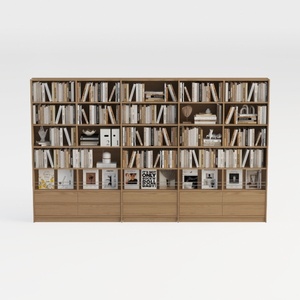
bookcase-Library Furnishings
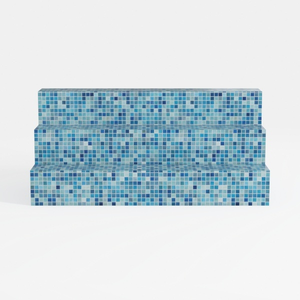
pool steps
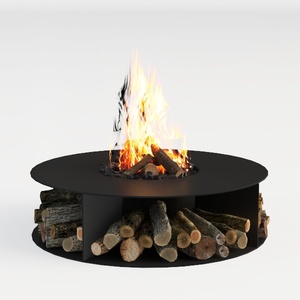
Bonfires-Autumn Fire Pit
FAQ
Q1: How do I balance busy fruit and vegetable patterns with the room’s overall design?
Start by limiting the patterns to accent pieces such as throw pillows, curtains, or wall art. Keep larger surfaces like walls and large furniture in neutral or muted tones to avoid overwhelming the space. Use solid colors to offset patterned elements and maintain visual rest.
Q2: What lighting fixtures work best to highlight Fruit & Veg Art decor?
Warm LED lighting with adjustable features is ideal. Combine diffuse ambient lighting with directional spotlights aimed at focal decorative items. Pendant lights with natural materials like rattan or wood can complement the organic aesthetic effectively.
Q3: Can I integrate Fruit & Veg Art elements into modern or minimalist interiors?
Yes, by using the style sparingly as accent elements against clean-lined furniture and subdued color backgrounds. This contrast creates an intriguing mix where natural motifs provide warmth and personality without disrupting minimalist order.
Built on technology originally developed at Autodesk, Homestyler empowers anyone to design beautiful, realistic spaces in minutes. Join over 20+ million registered users (platform data, 2026) who have already discovered a smarter way to plan, visualize, and bring their dream homes to life — all from the comfort of a browser.
Homestyler's powerful 3D rendering feature brings your design concepts to life with incredible detail.
Design Now for FREE