

Conclusion
European Home and Scandinavian styles embody two distinct design philosophies that cater to different aesthetic desires and practical needs. While European Home style emphasizes ornate details, rich textures, and a luxurious ambiance rooted in classical elegance, Scandinavian style privileges simplicity, functionality, and natural light with clean, minimalist lines. The core challenge in choosing between them lies in balancing opulence and comfort against understated, efficient design. Deciding depends on personal taste and lifestyle requirements, as these styles serve audiences with different spatial priorities and mood preferences.
Style A Deep Dive
European Home style is characterized by its blend of sophistication and tradition, originating from the grand interiors of continental Europe. This style embraces rich textures such as velvets and brocades, intricate moldings, and furniture with carved wood and gilded accents. Colors are often deep and warm—think royal blues, burgundies, and golds—creating a sense of luxury and historical depth. Suitable for formal living rooms, stately dining areas, or master bedrooms, the style brings warmth and grandeur indoors. One limitation is its potential to feel heavy or overwhelming in smaller spaces or modern apartment settings where simplicity and openness prevail. Meticulous placement of statement chandeliers, layered drapery, and antique-inspired accessories can help balance the look without cluttering the room.
Style B Deep Dive
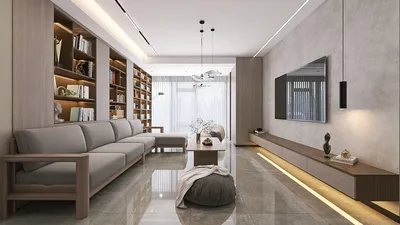
Scandinavian style champions minimalism fused with utility and comfort. Rooted in Nordic culture, it features light wood finishes like pine and birch, neutral palettes dominated by whites and greys, and an abundance of natural light to enhance spatial openness. Textiles are understated, with cozy wool throws or simple linen. Its furniture often relies on clean, straight lines or gentle curves with minimal decoration, making interiors feel airy and uncluttered. This style is ideal for contemporary urban homes, studios, or anyone prioritizing calmness and ease of maintenance. However, the restrained color scheme and minimalist approach might feel too sparse or cold for those who prefer warmth and ornamental richness.
Head-to-Head
| Dimension | European Home | Scandinavian Style | |--------------|-------------------------------------|-------------------------------------| | Color | Deep, warm tones like burgundy, royal blue, gold accents | Light neutrals, whites, soft greys | | Materials | Heavy woods, plush fabrics, ornate moldings | Light woods, natural textiles, simple finishes | | Space Feel | Opulent, intimate, layered with decorative elements | Open, airy, minimal decor | | Ideal For | Formal settings, historic charm enthusiasts | Modern apartments, minimalists, those valuing functionality |
How to Choose
To decide between European Home and Scandinavian styles, first assess the size and natural light of your space. European Home suits larger rooms or those with traditional architecture that can accommodate intricate detailing without feeling crowded. Conversely, Scandinavian is preferable in compact or urban environments prioritizing openness and day-to-day practicality. Consider lifestyle: if hosting lavish dinners or showcasing antiques appeals to you, European Home’s richness aligns well. For ease, minimal upkeep, and a calm retreat, Scandinavian delivers. Finally, reflect on color preference; saturated jewel tones or understated neutrals can steer your choice decisively.
Designing the Look
If European Home is the direction you're drawn to, Homestyler's 'European Home' gives you a ready-built library to start experimenting immediately — no sourcing, no scale guesswork, just design.

French Vintage Velvet Solid Wood Carved Armchair 3D Model

Vintage Carved Solid Wood Leather Armchair 3D Model
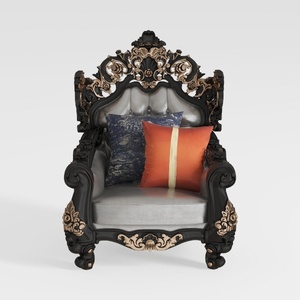
Vintage Baroque Solid Wood Leather Upholstered Armchair 3D Model

Vintage Baroque Fabric Upholstered Ornate Armchair 3D Model

French Vintage Brown Fabric White Wood Carved Armchair 3D Model

Vintage Solid Wood Two Drawer Nightstand with Carved Details 3D Model
FAQ
Q1: How do materials differ between European Home and Scandinavian styles?
European Home uses heavier, richly textured materials like velvet and carved wood, while Scandinavian opts for light woods and simple, natural fabrics.
Q2: Can elements of both styles be combined in a single space?
While the two styles have differing aesthetics, a thoughtful blend—such as using Scandinavian furniture with European accents—can create a unique balanced interior.
Q3: Which style is better suited to small urban apartments?
Scandinavian style suits smaller spaces better due to its minimalism and emphasis on light, whereas European Home tends to require larger, more formal rooms.
Homestyler's roots trace back to Autodesk, the global leader in design and engineering software. That heritage lives on in every feature we build. Today, with a community of more than 18 million users worldwide, Homestyler continues to make professional-quality interior design accessible to everyone — from first-time decorators to seasoned architects.
With Homestyler, you can design and visualize your living spaces online with stunning, realistic results.
Design Now for FREE
































