

Introduction
European Home style exemplifies a refined aesthetic deeply rooted in centuries of cultural, artistic, and architectural heritage across the continent. It embodies a philosophy of balance between historic grandeur and modern functionality, creating interiors that speak of timeless elegance and personality. This style is characterized by a harmonious blend of tradition and innovation, where detailed craftsmanship meets subtle modernism. The origins trace back to classical European palaces and manor houses yet adapted to contemporary living, allowing a narrative that respects history while embracing comfort. Its core lies in the deliberate juxtaposition of opulent and understated elements, aiming to produce spaces that are at once inviting and impressive. European Home interiors invite you to step into a world where textures, colors, and architectural details converge in a thoughtful dialogue, creating homes with layered meanings and visual depth.
Core Elements
The European Home style relies heavily on a carefully curated color palette. Rich neutrals such as warm beiges, soft grays, and creamy whites serve as a canvas, often enhanced by jewel tones like deep emeralds, royal blues, or ruby reds. These accent colors are not used arbitrarily but applied with precision to emphasize architectural details or fine furnishings. This color interplay enhances spatial depth and mood, evoking feelings of luxury without overwhelming the senses. The palette communicates heritage and sophistication, yet remains adaptable to modern daylight variations, allowing a dynamic aesthetic that transforms throughout the day.
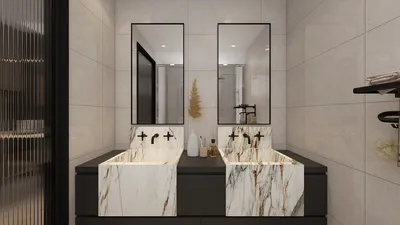
Material finishes in European Home interiors are chosen to communicate both authenticity and tactile richness. Natural stone, marbles with intricate veining, and aged woods form the foundational elements, complemented by plush velvets, silks, and tapestries. These textiles provide a sensuous layer that balances the solidity of structural materials. Each material is carefully selected not only for its appearance but for its contribution to the overall sensory experience: how it feels to touch, how it reflects light, or how it ages gracefully over time. The interplay between matte and polished surfaces—think gilded mirrors paired with matte plaster walls—fosters visual tension and complexity, which is a hallmark of the style.
Forms within the European Home archetype often draw inspiration from historical moldings, arches, and columnar elements but reinterpreted with a contemporary subtlety. Furniture pieces exhibit clean lines softened by gentle curves and intricate detailing such as hand-carved legs or decorative metal accents. The shapes avoid rigidity, favoring an approachable flourish that communicates craftsmanship without ostentation. These forms create a rhythm across spatial volumes, from door frames to cabinetry, supporting a coherent narrative of elegance. Proportion and scale are meticulously considered: grand enough to provide drama yet intimate enough to foster comfort, balancing the grandeur of a palace with the warmth of everyday living.
Designing the Look
Homestyler’s ‘European Home’ offers a comprehensive set of ready-to-use 3D models specifically curated to embody this aesthetic, allowing designers to achieve authentic results with professional-grade textures and forms. These models reflect the attention to detail central to the style, featuring historically inspired architectural details, elegant furniture, and well-researched material finishes. Incorporating such resources accelerates the design process, enabling professionals to visualize spaces that maintain the rich heritage and nuanced color schemes characteristic of European Home interiors. Beyond mere visuals, these models support accurate lighting studies and spatial arrangements, crucial for capturing the atmosphere of an inviting yet sophisticated European environment. They help choreograph the subtle play between light, shadow, texture, and form that defines this style, providing a reliable toolkit for creating interiors imbued with cultural resonance and refined taste.

French Vintage Velvet Solid Wood Carved Armchair 3D Model

Vintage Carved Solid Wood Leather Armchair 3D Model
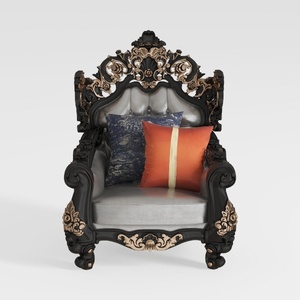
Vintage Baroque Solid Wood Leather Upholstered Armchair 3D Model

Vintage Baroque Fabric Upholstered Ornate Armchair 3D Model

French Vintage Brown Fabric White Wood Carved Armchair 3D Model

Vintage Solid Wood Two Drawer Nightstand with Carved Details 3D Model
FAQ
Q1: What distinguishes European Home style from other classic interior designs?
European Home style specifically integrates historical European architectural elements with modern functional layout, emphasizing a balance of ornamental detail and restrained elegance. Unlike broad classic styles, it intertwines rich color palettes, tactile materials, and form language inspired by European heritage to produce a distinct sophistication that feels both storied and livable.
Q2: How can color schemes be effectively applied to create an authentic European Home interior?
Effective application involves grounding the space with neutral base tones complemented by carefully placed jewel-toned accents, which highlight architectural features and furnishings. The color interplay should foster depth and warmth, avoiding overly saturated or cold schemes, thereby replicating the dynamic and refined palettes found in traditional European settings.
Q3: Are the 3D models compatible with various design software platforms, and can they be customized?
Yes, the models included in Homestyler’s ‘European Home’ package are compatible with multiple 3D visualization platforms and can be customized to suit diverse project needs. Their design fidelity and texture detail ensure flexibility for both conceptual exploration and high-end presentations.
Homestyler's roots trace back to Autodesk, the global leader in design and engineering software. That heritage lives on in every feature we build. Today, with a community of more than 18 million users worldwide, Homestyler continues to make professional-quality interior design accessible to everyone — from first-time decorators to seasoned architects.
Homestyler is a professional interior design software that helps users effortlessly create their dream home.
Progetta ora GRATIS
































