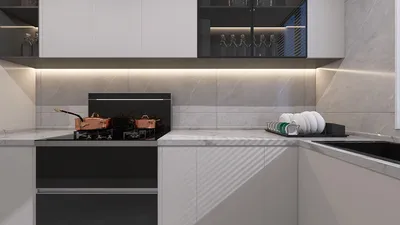


The true challenge of European Home interior design lies in balancing historic charm with modern functionality. This style demands an eye for proportion and detail, where each architectural element, furniture piece, and decorative accessory contributes to a cohesive narrative. Unlike minimalist or ultra-contemporary styles, European Home design requires thoughtful layering—combining textures, patterns, and classical motifs without overwhelming the space. The core difficulty emerges when integrating ornate features such as intricate moldings, carved woodwork, or vintage upholstery into a layout that remains livable and inviting. Achieving this balance pushes designers to carefully curate every element, from grandiose to subtle undertones, ensuring the environment both references tradition and stays current. Moreover, European interiors often play with scale, blending large statement furnishings with delicate accents, which involves precise spatial planning. Lighting must be subtle yet impactful, often harnessing natural daylight alongside warm artificial sources to accentuate architectural details and rich color palettes. Successfully navigating these complex interactions results in interiors that feel timeless yet personal, a synthesis of heritage and contemporary comfort. The European Home model streamlines this intricate process by pre-selecting complementary furnishings and finishes that respect the classic proportions and styles emblematic of European design, providing a reliable framework for authentic composition.
Step 1: Layout Logic – Spatial Proportion and Furniture Arrangement
European Home interiors thrive on a sense of balanced spatial arrangement, where the flow and scale of furniture must harmonize with the architecture's inherent grandeur. Begin by zoning the room thoughtfully; prioritize symmetry and axial alignment, echoing classical European design principles. Central seating groups anchored by a grand coffee table reinforce focus and facilitate conversation. When choosing furniture, opt for pieces with elegant curves and historic detailing, such as turned legs or tufted upholstery, that fit proportionally to the room size. Avoid overcrowding; instead, encourage breathing space between large items to allow the eye to appreciate ornate finishes and woodwork. For example, in a formal living room, position two matching armchairs flanking a fireplace, with a sofa facing them to create balance. Rugs play a crucial role in spatial definition—measure carefully to ensure they encompass all key seating elements without appearing undersized or overwhelming. Use architectural elements like columns or molding patterns to guide furniture placement. If working within an open-plan setting, delimit areas with strategic furniture clusters and area rugs that replicate European salons’ formality, promoting both function and elegance.
Step 2: Light and Shadow – Tone Selection and Light Source Coordination
Lighting in European Home interiors serves a dual purpose: functional illumination and atmospheric enhancement. Begin by embracing layered lighting—combine ambient, task, and accent lights to sculpt the room meticulously. Fixtures often feature vintage brass, crystal chandeliers, or wrought iron details that become focal points themselves. Choose warm white bulbs, ideally between 2700K and 3000K, to recreate the soft glow reminiscent of candlelight or early incandescent illumination. This warmth complements the rich color palette common to European designs, which includes muted golds, deep blues, soft creams, and earthy neutrals. Track daylight through large windows with draperies made from brocade, velvet, or damask fabrics, which filter natural light elegantly. Position mirrors strategically to amplify natural light and add depth. Accent lighting, such as wall sconces with fabric shades or table lamps with ornate bases, highlights architectural features or prized artworks. Avoid harsh overhead fluorescents; instead, opt for dimmable fixtures that allow precise control over mood throughout the day. Incorporate candles or lanterns in dining areas or lounges to evoke historic charm and intimacy, reinforcing the tactile and inviting quality of European interiors.
Step 3: Statement Details – Small-scale Models Enhancing Overall Texture
Small decorative objects serve as the final brushstrokes in executing authentic European Home interiors. Select curated antiques or finely crafted reproductions of period accessories such as gilded picture frames, porcelain figurines, or vintage clocks. Tabletop accessories like intricately patterned ceramics, brass vases, or hand-blown glass bring nuanced texture and narrative. Incorporate textiles with Baroque or Rococo prints in cushions or throws to inject visual interest. Sculptural elements like busts or ornate bookends can punctuate shelves or mantels, grounding the room’s historical dialogue. Consider integrating handwoven tapestries or framed antique maps that offer storytelling connections to European heritage. For practical execution, place smaller items in groupings rather than isolation to avoid clutter and create intentional vignettes. These groupings—such as a pairing of candlesticks with a delicate porcelain bowl—work best when balanced with negative space, allowing their form and detail to be appreciated. The tactility of materials matters greatly; combining glossy metals with aged wood and soft textiles results in an inviting and layered composition. These finishing touches transform an assembled room into a lived-in, timeless space.
Designing the Look
For designers working in Homestyler, the European Home is a practical shortcut to authenticity. It removes the guesswork from sourcing — every piece is pre-matched in scale, material, and proportion to deliver a coherent European-inspired result.

French Vintage Velvet Solid Wood Carved Armchair 3D Model

Vintage Carved Solid Wood Leather Armchair 3D Model
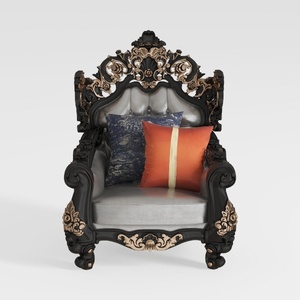
Vintage Baroque Solid Wood Leather Upholstered Armchair 3D Model

Vintage Baroque Fabric Upholstered Ornate Armchair 3D Model

French Vintage Brown Fabric White Wood Carved Armchair 3D Model

Vintage Solid Wood Two Drawer Nightstand with Carved Details 3D Model
FAQ
Q1: How can I maintain balance between ornate European elements and modern comfort in this style?
Careful curation is key. Combine traditional European furniture with more understated modern pieces that provide functionality and comfort. Choose tactile fabrics and ergonomic shapes for seating while keeping decorative accents classical. Use neutral backdrops to reduce visual noise and allow ornate items to stand out without overpowering the space.
Q2: What is the best flooring choice to complement European Home interiors?
Hardwood floors in dark to medium tones are quintessential for European styling. Consider wide planks with natural grain showing through. Parquet flooring is also ideal for formal rooms, adding intricate patterns that reflect historical authenticity. Finish floors with matte or satin varnishes to maintain a timeless appearance.
Q3: How should I approach color coordination for lighting and furnishings?
Prioritize warm undertones in both lighting and paint colors to unify the atmosphere. Choose lighting fixtures with finishes that echo metal or wood details found in furniture. For furnishings, lean toward complementary hues within a cohesive palette—creams, muted blues, soft golds, and rich browns—to enhance spatial harmony and historical accuracy.
Built on technology originally developed at Autodesk, Homestyler empowers anyone to design beautiful, realistic spaces in minutes. Join over 18 million users who have already discovered a smarter way to plan, visualize, and bring their dream homes to life — all from the comfort of a browser.
With Homestyler, you can design and visualize your living spaces online with stunning, realistic results.
Design jetzt kostenlos
































