

Conclusion
The core difference between European Classic and Modern Minimalism lies in their approach to decoration and form. European Classic indulges in ornate detailing, rich textures, and historical references, while Modern Minimalism advocates for simplicity, open spaces, and muted palettes. Choosing between them often revolves around one's preference for complexity versus purity, tradition versus contemporary ease.
European Classic Deep Dive
European Classic style is rooted in timeless elegance and intricate craftsmanship that brings a sense of grandeur and sophistication to interiors. Characterized by ornate moldings, antique-inspired furniture with curved legs, and luxurious fabrics such as velvet and brocade, this style favors warm, muted hues combined with rich wood tones. It works well in spacious environments like formal living rooms, dining rooms, or upscale boutique hotels where the emphasis is on refinement and heritage. However, its elaborate decoration can overwhelm small spaces and may demand more maintenance to preserve detailed surfaces.
Modern Minimalism Deep Dive
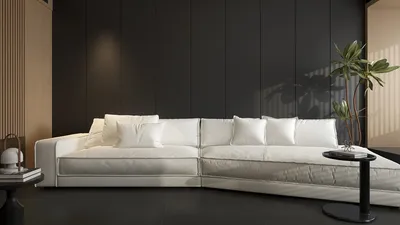
Modern Minimalism strips interiors down to their essential elements, creating a clutter-free environment focused on function and light. The style champions clean lines, geometric forms, and a restrained color palette dominated by whites, greys, and blacks. Materials like glass, steel, and natural wood feature prominently to articulate simplicity with tactile interest. It excels in urban apartments or workplaces where clarity and openness support productivity and calm. Its main limitation is that it can feel cold or impersonal without careful integration of textures or art.
Head-to-Head
| Dimension | European Classic | Modern Minimalism |
|---|---|---|
| Color Palette | Warm, muted tones; gold and deep jewel colors | Neutral shades; whites, greys, blacks |
| Materials | Rich woods, velvet, brocade, gilded accents | Glass, steel, natural wood, concrete |
| Spatial Experience | Layered, compartmentalized, cozy yet formal | Open, airy, uncluttered, spacious |
| Target Audience | Lovers of history, tradition, detailed craftsmanship | Fans of simplicity, function, modern lifestyle |
How to Choose
Start by assessing your lifestyle and the function of the space. Choose European Classic if you desire warmth, history, and ornamental details that express personality and legacy. Opt for Modern Minimalism when you prefer a low-maintenance, clean aesthetic that enhances flow and practicality. Also, consider spatial dimensions; European Classic demands room to breathe and elevate decorative elements, whereas Minimalism thrives in compact, light-filled spaces. Ultimately, envision how each style supports your daily activities and personal taste.
Designing the Look
If European Classic is the direction you're drawn to, Homestyler's 'European Classic' gives you a ready-built library to start experimenting immediately — no sourcing, no scale guesswork, just design.

Vintage Black Wood Rattan Upholstered Decorative Loveseat 3D Model

Glass Brass Decorative Floral Vase with Orchid Palm Leaves 3D Model

Luxury Classic Black Gold Accent Nightstand with Carved Details 3D Model

Vintage Metal Large Wall Clock Decorative Ornate Frame 3D Model

Vintage Brass Ornate Wall Mirror 3D Model

Vintage Porcelain Damask Pattern Teapot 3D Model
FAQ
Q1: How do European Classic and Modern Minimalism differ in maintenance requirements?
European Classic interiors often require more upkeep due to delicate fabrics and intricate woodwork, whereas Modern Minimalism tends to be easier to maintain thanks to simpler, hard-wearing surfaces.
Q2: Can elements of European Classic be integrated into a Modern Minimalist space?
Yes, but it requires a careful balance. Select singular statement pieces or subtle ornamental accents while keeping the overall space clean and simple to avoid visual conflict.
Q3: Which style is better suited for smaller apartments?
Modern Minimalism generally suits smaller spaces better due to its emphasis on open, uncluttered layouts and light colors that make rooms feel larger.
Homestyler's roots trace back to Autodesk, the global leader in design and engineering software. That heritage lives on in every feature we build. Today, with a community of more than 18 million users worldwide, Homestyler continues to make professional-quality interior design accessible to everyone — from first-time decorators to seasoned architects.
Homestyler offers a vast library of furniture and decoration materials to meet all your design needs.
지금 무료로 디자인하세요
































