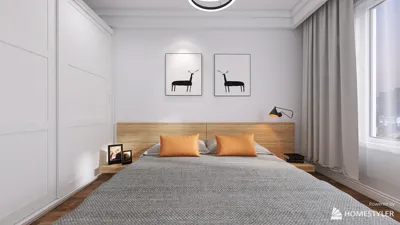


European Classic style centers on balancing ornate detailing with harmonious proportions, a design challenge demanding meticulous spatial planning and material cohesion. The core conflict lies in merging elaborate classical motifs without overwhelming the space or sacrificing functionality. This style embraces refined aesthetics rooted in centuries-old European traditions, where symmetry, repeating patterns, and luxurious textures narrate stories of heritage and permanence. Achieving authenticity requires exact furniture scale, unified materials, and subtle color tones that avoid the traps of costume-like décor or excessive formality. The European Classic must feel both grand and inviting, timeless yet comfortable, making spatial clarity and a restrained decorative approach paramount. Designers must carefully moderate between rich embellishment and structural simplicity, ensuring the room flows intuitively while showcasing curated details. Maintaining design coherence involves integrating classic mouldings, sculptural furniture, and distinctive textiles in a way that feels seamless, never cluttered. The challenge extends to layered lighting schemes that highlight architectural and ornamental features while preserving placid ambiance. Ultimately, the European Classic style transforms interiors into cultured stages that honor tradition through balanced, thoughtful design choices.
Step 1: Layout Logic — Spatial Proportions and Furniture Placement
Start by analyzing the room’s dimensions to preserve balanced symmetry, a hallmark of European Classic interiors. Use architectural details such as columns or mouldings to frame the furniture layout. Opt for larger, statement pieces placed strategically to define the conversation area; for example, position a grand tufted sofa centrally on the longest wall, paired with matching armchairs opposite to create a formal yet welcoming seating arrangement. Maintain clear circulation paths by leaving at least 30 to 36 inches between furniture items. Incorporate classic furniture with carved wood legs and curved lines that echo historical designs; however, avoid overcrowding by limiting the number of bulky pieces. Employ layering of rugs to delineate zones, using Persian or Aubusson patterns in muted colorways to unify the space. Tables with marble or rich wood tops add textural contrasts and support ornamental objects without overpowering the style. Balance tall cabinetry or bookshelves with lower-profile chests to keep visual weight even throughout the room. This spatial logic enhances the feeling of proportion, prevents visual chaos, and respects the inherent orderliness of European Classic design. Always prioritize sightline continuity so that architectural features and key furnishings remain focal without competition.
Step 2: Lighting and Color — Palette Selection and Light Source Coordination
The European Classic palette gravitates toward warm neutrals, soft creams, muted golds, and dusty blues, often accented by deep burgundy or forest green. Choose matte or satin finishes over glossy for walls and woodwork to evoke historical authenticity. Paint colours should complement gilded frames and rich upholstery, providing understated backgrounds for intricate décor. Layering light sources is essential — combine chandeliers with candle-style bulbs to introduce ambient warmth alongside task lamps crafted from bronze or stained glass for direct illumination. Wall sconces with crystal pendants contribute delicate sparkle, casting nuanced shadows across decorative mouldings and tapestries. Use dimmers to adjust intensity according to mood or time of day, ensuring the space never feels harsh or utilitarian. Natural light is embraced through window treatments like silk curtains or linen sheers hung from ornate rods, diffusing daylight into warm, flattering tones. Accentuate artwork, mirrors, and sculptures with directional spotlights subtly embedded in the ceiling to highlight textural complexity and craftsmanship without detracting from the overall scheme. This calibrated approach to light and colour highlights the style’s depth, enhancing spatial richness and emotional resonance.
Step 3: Finishing Touches — Small-Scale Models Enhancing Overall Texture
Incorporate smaller-scale decorative objects that echo the European Classic ethos — porcelain figurines, crystal vases, brass candleholders, and meticulously carved wooden boxes. These additions add tactile interest and historical narrative, bridging grand elements with everyday intimacy. Select items with patinated finishes or antique surface treatments to reinforce authenticity. Use velvet pillows embroidered with jacquard patterns or silk tassels on drapery tiebacks to support luxurious tactility. Arrange collections of hand-bound leather books or vintage maps on side tables for cultured detail. Introduce botanical elements through deeply colored flowers or topiaries housed in marble or terracotta pots with classic design. Avoid clutter by grouping objects thoughtfully, maintaining clean surfaces while still enriching visual texture. Every accessory must harmonize in scale and material to avoid distractions, fostering layered depth rather than visual noise. These small components define the tactile quality of the European Classic style, essential for a complete and immersive interior experience.
Designing the Look
For designers working in Homestyler, the European Classic is a practical shortcut to authenticity. It removes the guesswork from sourcing — every piece is pre-matched in scale, material, and proportion to deliver a coherent European Classic result.

Vintage Black Wood Rattan Upholstered Decorative Loveseat 3D Model


Luxury Classic Black Gold Accent Nightstand with Carved Details 3D Model


Vintage Porcelain Damask Pattern Teapot 3D Model
FAQ
Q1: How can I maintain balance when mixing ornate European Classic furniture with modern elements?
To preserve harmony, introduce modern pieces that echo the classic material palette or shapes—such as sleek glass tabletops on antique wood bases. Subtle blending of styles is achieved by controlling scale and limiting modern additions to small accents or functional elements like lighting, ensuring the vintage essence remains central.
Q2: What’s the best method to prevent European Classic designs from feeling overly formal or dated?
Incorporate softer textiles such as plush velvets or linen blends to reduce stiffness. Use contemporary artwork with classical themes or muted colours to connect eras, and introduce greenery for organic warmth. Arranging furniture in intimate groupings encourages relaxed usage rather than rigid formality.
Q3: How do I select appropriate lighting fixtures that complement European Classic style without overpowering it?
Choose lighting with classic silhouettes—like chandeliers with crystal drops or wall sconces with brass finishes—that amplify architectural details. Avoid overly modern or minimal fixtures. Use layered lighting design to balance ambient and accent illumination, with dimmers for atmosphere control.
Built on technology originally developed at Autodesk, Homestyler empowers anyone to design beautiful, realistic spaces in minutes. Join over 18 million users who have already discovered a smarter way to plan, visualize, and bring their dream homes to life — all from the comfort of a browser.
Homestyler's powerful 3D rendering feature brings your design concepts to life with incredible detail.
Zaprojektuj teraz za darmo
































