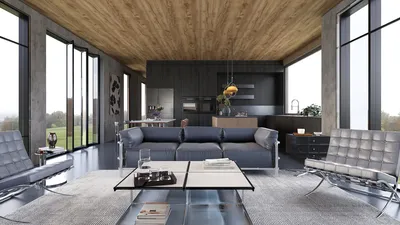


Eclectic Retro design challenges conventional aesthetics by blending mid-century nostalgia with vibrant modern twists. This style thrives on intentional contrasts and combining elements that at first glance may seem contradictory. The core design tension lies in balancing vintage warmth with bold, sometimes unexpected, colors and textures without creating visual chaos. This balance demands a nuanced understanding of proportion, materials, and atmosphere to avoid a clash between eras. Unlike minimalist or strictly period-specific designs, Eclectic Retro invites layering — layering of colors, patterns, and objects that tell stories from different decades but come together harmoniously. The challenge is to prevent the space from appearing cluttered or disjointed. Achieving this requires a deliberate curation of furnishings that respect retro authenticity while introducing fresh and surprising combinations. An essential aspect is the spatial layout that supports the eclectic narrative; furniture must accommodate distinct shapes and scales typical of mid-century design but organized to maintain flow and usability. Materials like rich velvets, warm woods, and matte metals are juxtaposed with pops of neon or pastel tones, demanding both selective restraint and bold decisions. Eclectic Retro also confronts the risk of overwhelming the senses. Without careful management of light sources and color palettes, the space might feel either too muted or aggressively loud. The interplay of natural and artificial light enhances textures and hues, carving out mood zones that balance energy and calm. In execution, the style benefits significantly from pre-curated collections to guide furniture and accessory selection, ensuring scale and materials align to the Eclectic Retro spirit. This prevents guesswork and helps maintain coherence, transforming diverse pieces into a unified design statement that feels authentic and fresh simultaneously.
Step 1: Layout Logic — Spatial Proportions and Furniture Placement
Start by defining clear zones that respect retro spatial norms, with furniture pieces that highlight classic proportions — low-profile seating, tapered legs, and clean-lined cabinetry. Arrange larger items like sofas or storage against walls to anchor the room, leaving central areas open to facilitate movement and social interaction. Consider scale carefully; oversized modern sofas can disrupt the delicate balance, while undersized pieces risk feeling sparse. Mid-century chairs with compact frames work best when paired with a substantial coffee table that features geometric forms. Arrange seating to create conversation-friendly groupings that blend curvilinear shapes with sharp angles, a hallmark of retro form. Keep circulation pathways unobstructed but allow some asymmetry to avoid rigidity. Floating furniture arrangements, where seating pieces are set away from walls, can evoke retro lounge vibes if spatial clearance exceeds 30 to 36 inches on all sides. Use rugs to define zones, choosing patterns that complement but do not overpower adjacent textures. Storage units and display shelving should integrate smoothly, selecting pieces with wood tones or lacquer finishes that recall the era. These anchor points offer visual stability amidst the eclectic mix. Avoid clustering all retro-style objects in a single corner; instead, distribute them thoughtfully to weave a consistent narrative throughout the space. Lighting stands and side tables positioned near seating enhance functionality and allow for layering light sources, supporting both ambient and task needs while reinforcing the style’s aesthetic through material and form choices.
Step 2: Light and Color — Tone Selection and Light Source Coordination
Begin with a base palette derived from earthy neutrals—warm taupes, olive greens, and rich browns—that form a foundation reflecting mid-century sensibility. Layer on accents using brighter hues such as mustard yellows, burnt oranges, and teal blues to inject vibrancy. Use matte finishes for paint and soft furnishings to maintain muted sophistication, balancing against glossy or metallic accent pieces that catch the eye. Include patterned textiles—geometric or abstract motifs—that create visual rhythm without overwhelming. Light sources must complement this palette with adjustable, warm LED bulbs that approximate mid-century tungsten tones. Combine wall sconces with arc floor lamps to cast directional light and define focal points. Position lamps to enhance seating areas and highlight key decor elements. Natural light is crucial—maximize window exposure with minimalistic treatments like sheer curtains or wooden blinds in soft hues that filter sunlight gently. Avoid harsh overhead fixtures alone; instead, rely on mixed-source lighting to create layers and depth. For ceiling lights, opt for pendant lamps in retro shapes like globes or cones with brass or matte black finishes. These provide sculptural interest while staying within the style’s vernacular. Dimmer switches help control mood transitions from functional daylight to ambient evening warmth.
Step 3: Signature Decor — Small Scale Models to Enhance Overall Quality
Accessorize strategically using curated small-scale objects reflecting retro periods and materials: ceramic vases with angular silhouettes, brass figurines, and vintage clock replicas. These pieces should be varied but coherent in tone and finish, providing points of tactile and visual intrigue. Select curated artwork prints or frames featuring abstract or pop art styles to enhance wall spaces. Mix wood and metal frames to reflect material contrasts. Incorporate textiles like throw pillows or blankets with textured weaves or mod patterns that energize seating. Use indoor plants in geometric planters to soften and enliven spaces, blending nature with design. Position these items on sideboards, shelves, or in corners to create layers without clutter. An often-overlooked detail is hardware—drawer pulls and knobs in brushed brass or matte black add authenticity and tactile quality. Similarly, retro-style lighting switch plates and outlet covers maintain stylistic integrity. Ensure all small pieces scale harmoniously with surrounding elements. Avoid excessively large decor that competes visually but do not undersize items to the point of them being unnoticed. The goal is a cohesive ensemble where each element contributes to the retro narrative, enriching texture and color depth throughout.
Designing the Look
For designers working in Homestyler, the Eclectic Retro model is a practical shortcut to authenticity. It removes the guesswork from sourcing — every piece is pre-matched in scale, material, and proportion to deliver a coherent Eclectic Retro result.

Modern Houndstooth Fabric Armless Accent Chair 3D Model

Modern Minimalist Black Metal Wooden Nightstand with Single Drawer 3D Model

Modern Black Leather Tufted Extra Large Sofa 3D Model

Vintage Floral Printed Fabric Accent Chair 3D Model

LOPOO Queen Sleigh Bed with Traditional Design, El

Minimalist Two Tone Glass Ceramic Table Lamp 3D Model
FAQ
Q1: How can I balance bold colors without overpowering an Eclectic Retro interior?
Start with a neutral foundation using earth tones or muted shades, then introduce bold colors as accent pieces such as cushions, artwork, or small furniture. Limit intense colors to no more than three points in a room to maintain harmony. Use textures and finishes to absorb or reflect light differently, softening color impact.
Q2: What lighting tips optimize the retro atmosphere without compromising modern comfort?
Mix ambient, task, and accent lighting using fixtures inspired by the mid-century style but fitted with modern bulbs that offer adjustable warm temperatures. Incorporate dimmers and multiple light sources to create versatility throughout the day and night.
Q3: How do I choose furniture to maintain an authentic retro look while fitting modern spatial constraints?
Select pieces with classic retro proportions—compact shapes, tapered legs—and materials like walnut wood or brass. Prioritize multipurpose furniture to save space. Use scale models in Homestyler to preview arrangements for fluid circulation and visual balance.
Built on technology originally developed at Autodesk, Homestyler empowers anyone to design beautiful, realistic spaces in minutes. Join over 18 million users who have already discovered a smarter way to plan, visualize, and bring their dream homes to life — all from the comfort of a browser.
With Homestyler, you can design and visualize your living spaces online with stunning, realistic results.
Desain sekarang Gratis
































