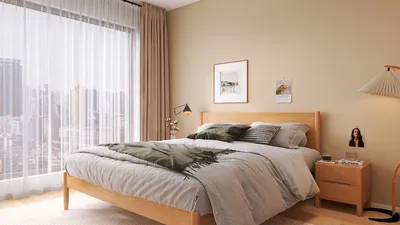


Eclectic Retro Style
Eclectic Retro style is a deliberate celebration of contrast, merging the nostalgic appeal of mid-century forms with unexpected modern twists. This aesthetic unfolds as a layered dialogue between diverse design epochs, championing individuality through bold expressions. Rather than conformity, it thrives on the collision of distinct visual narratives—combining rich textures, vivid hues, and unconventional shapes that refuse to be pinned down by tradition. Originating from a postmodern rebellion against homogenous interiors, Eclectic Retro draws heavily from 1950s to 1970s design while infusing elements of contemporary vibrancy, creating spaces that are both timelessly familiar and refreshingly new. It embodies a philosophy that champions freedom of choice and visual storytelling, allowing interiors to narrate a personal history through curated artifacts and artful juxtapositions. In this style, every surface and object acts as a character, contributing to a scene that is thoughtfully spontaneous rather than overly orchestrated. Interiors invite exploration, with unexpected color blends, striking patterns, and forms that oscillate between geometric precision and organic spontaneity, encapsulating a deliberate but casual charm that resonates with creative spirits seeking to defy conventional boundaries.
Core Elements
Eclectic Retro’s chromatic palette rejects subtlety in favor of eye-catching vibrancy. Its colors are not merely background elements but active agents that dictate mood and movement within a room. Typical hues include saturated mustard yellows, burnt oranges, avocado greens, and deep teals, often paired with contrasting pastels or bold primaries that amplify their visual impact. Colors are layered to generate depth—walls might showcase a deep, moody tone punctuated by lively upholstery or statement rugs, while accessories such as lampshades, cushions, and ceramics introduce playful pops of color to enliven the scene. This palette draws inspiration from vintage advertisements, pop art, and textile patterns of the 20th century, reinforcing a sense of nostalgia while inviting a contemporary reinterpretation. These vibrant color harmonies do not shy from daring combinations, encouraging a more experimental approach to interior decoration where sense blends fluidly with aesthetic adventure.
Materials in Eclectic Retro interiors are chosen for their tactile richness and ability to convey age and personality. A juxtaposition of textures plays a central role: sleek laminates and polished metals stand alongside weathered woods and plush velvets, creating a sensory dialogue that feels simultaneously lived-in and curated. Vintage leather armchairs with a patina of use nestle near boldly patterned textiles and ceramics that reference mid-century design motifs. Brass and chrome accents inject a subtle glint, while surfaces such as terrazzo and bakelite nod to retro manufacturing techniques. This intricate material interplay contributes to the eclectic character, where every piece asserts its identity yet participates in a unified whole. The material selection underscores durability and craft, offering a tactile story that complements the visual dynamism of the style.
Form in Eclectic Retro eschews uniformity, favoring unexpected silhouettes and composite shapes drawn from diverse design traditions. Feathered edges, swooping curves, and sculptural elements intersect with geometric precision and asymmetric layouts, resulting in a layered spatial choreography. Seating might feature rounded backs with tapered wooden legs, while lighting fixtures reveal starburst patterns or globe shapes reminiscent of atomic age design. Furniture pieces are often statement-making but maintain functional elegance, inviting interaction without sacrificing visual intrigue. This dialogue of forms generates rhythm and movement within the room’s architecture, balancing nostalgia and modernity. Eclectic Retro’s forms celebrate imperfections and asymmetries, emphasizing character over conformity, resulting in interiors that pulse with personality and invites tactile engagement.
Designing the Look
Achieving a true Eclectic Retro ambiance requires meticulous attention to detail and a confident embrace of visual contrasts. Homestyler’s ‘Eclectic Retro’ offers a comprehensive set of ready-to-use 3D models specifically curated to embody this aesthetic, allowing designers to achieve authentic results with professional-grade textures and forms. This model pack simplifies the complex layering of vintage and modern elements, providing pieces ranging from plush armchairs to iconic lighting, each with meticulously crafted materials that mirror real-world surfaces. The models within the pack enable seamless integration of characteristic colors, materials, and forms directly into digital designs, freeing designers from starting from scratch while ensuring originality through mix-and-match possibilities. These resources become invaluable tools for visualizing how bold colors interact with tactile materials and dynamic shapes within a spatial context, encouraging experimentation within the Eclectic Retro vocabulary to refine distinctive interiors that feel curated yet organic. By leveraging these high-quality digital assets, designers can confidently navigate the style’s inherent contradictions—blending hard and soft textures, warm and cool hues, vintage and contemporary silhouettes—thus foregrounding the playful yet sophisticated spirit this aesthetic demands.

Modern Houndstooth Fabric Armless Accent Chair 3D Model

Modern Minimalist Black Metal Wooden Nightstand with Single Drawer 3D Model

Modern Black Leather Tufted Extra Large Sofa 3D Model

Vintage Floral Printed Fabric Accent Chair 3D Model

LOPOO Queen Sleigh Bed with Traditional Design, El

Minimalist Two Tone Glass Ceramic Table Lamp 3D Model
FAQ
Q1: What distinguishes Eclectic Retro from traditional retro or vintage styles?
Eclectic Retro diverges from strict retro or vintage aesthetics by actively blending mid-century design motifs with contemporary color schemes, materials, and forms. Unlike pure vintage that often adheres to faithful reproduction or nostalgia, Eclectic Retro incorporates modern elements and unexpected contrasts, creating a personalized fusion rather than a historical replication. This fluid identity allows for unique combinations that might juxtapose bright, saturated colors with vintage furniture, or pair classic shapes with new materials, resulting in dynamic, layered interiors with a fresh yet familiar feel.
Q2: How can I balance bold colors in an Eclectic Retro interior without overwhelming the space?
Balancing Eclectic Retro’s vibrant palette involves strategic layering and contrast management. Starting with a neutral or muted backdrop—such as soft pastels or earthy tones—can ground intense colors and provide visual rest. Introducing bold colors in smaller doses through textiles, art, and accessories allows them to punctuate the space without dominating. Additionally, repeating accent colors in multiple elements creates harmony and cohesion. The combination of color with texture and form ensures that colors are experienced as part of a tactile, spatial dialogue rather than chaotic splashes, making bold hues feel intentionally curated.
Q3: What types of materials best capture the essence of Eclectic Retro?
Materials that best encapsulate Eclectic Retro are those with rich textures and nostalgic references, balanced with contemporary finishes. Velvet upholsteries, polished woods with warm patina, terrazzo surfaces, and bakelite or brass accents are typical. The feel of these materials recalls mid-century craftsmanship while supporting diverse textures when paired with sleek metals or modern laminates. Their juxtaposition heightens the tactile and visual complexity central to the style, reinforcing its characteristic blend of vintage warmth balanced with fresh, dynamic elements.
What began as an Autodesk innovation has evolved into a design platform used by more than 18 million people around the globe. Homestyler combines powerful rendering, an intuitive editor, and a vast furniture library to help you turn inspiration into photorealistic designs — whether you're redesigning a single room or planning an entire home.
Homestyler is a professional interior design software that helps users effortlessly create their dream home.
Design Now for FREE
































