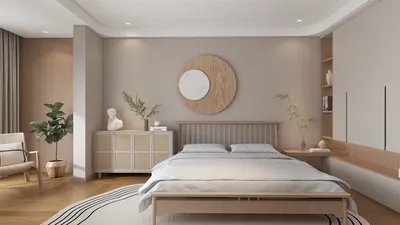


What is the most common core issue in Dune style interiors?
Over-decoration and proportion imbalance are the primary problems undermining authentic Dune interiors.
Quick Takeaways
1. Excessive ornamentation dilutes the natural essence of Dune style. 2. Disproportionate elements disrupt the intended spatial harmony. 3. Mixing incompatible styles creates visual confusion. 4. Poor texture pairing compromises tactile depth. 5. Ignoring scale leads to overwhelming or underwhelming features.
Introduction
I’ve often observed that even seasoned designers stumble over Dune interiors because the style demands a delicate balance between organic ruggedness and refined simplicity. The moment one overemphasizes decoration or misjudges proportions, the entire look collapses from subtle beauty to visual clutter. The complexity lies in sustaining the aesthetic tension—the essence of Dune style—without tipping into chaos or banality.
Why It Goes Wrong
The Dune style fails chiefly due to over-decoration and disproportionate spatial planning. The aesthetic calls for raw, earthy textures intertwined with sleek, minimal forms, but many designs falter by stacking excessive details, leading to style dilution. Another critical issue is blending elements from unrelated design genres, which fractures the cohesive narrative that the Dune style should evoke.
Mistake 1: Over-decoration
The Mistake: Bombarding spaces with too many decorative pieces, including layered textiles, multiple artifacts, and excessive wall treatments. Why It Happens: Designers often overcompensate, believing more ornamentation equates to richer ambiance. The Fix: Limit decorative elements to a maximum of 3 per zone, focusing on texture and material authenticity rather than quantity.
Mistake 2: Proportion Imbalance
The Mistake: Furniture and accessories out of scale, such as oversized rugs paired with small seating or massive light fixtures over delicate tables. Why It Happens: Lack of spatial awareness and insufficient measurement verification. The Fix: Employ a clear proportional framework—for example, keep rug sizes to at least two-thirds of the seating area, and select light fixtures not exceeding one-third of the table’s width.
Mistake 3: Style Confusion
The Mistake: Mixing Dune's natural, raw elements with glossy contemporary or ornate traditional aesthetics. Why It Happens: Attempting to make the style more eclectic, losing the original identity. The Fix: Stick to a curated palette of natural materials—wood, linen, stone—and avoid adding shiny metals or overly intricate patterns that challenge the grounded Dune look.
Mistake 4: Texture Mismanagement
The Mistake: Pairing incompatible textures like synthetic fibers with natural rattan or muddy color clashes. Why It Happens: Underestimating how texture harmony influences tactile and visual perception. The Fix: Select textures with a unifying theme—usually rough, organic, and matte finishes—and introduce subtle contrasts only within that theme.
Mistake 5: Neglecting Scale
The Mistake: Incorporating design elements without consideration of room size, leading to either too cramped or too sparse spaces. Why It Happens: Overlooking spatial context while sourcing statement pieces independently. The Fix: Measure the room thoroughly and maintain a balance where at least 30-40% of floor space remains open, preventing visual congestion.
Designing the Look
Homestyler’s ‘Dune’ offers a comprehensive set of ready-to-use 3D models specifically curated to embody this aesthetic, allowing designers to achieve authentic results with professional-grade textures and forms.

Minimalist Brown Fabric Oversized Armchair with Throw Pillow 3D Model

Modern Dark Oak Metal Wall Lamp 3D Model


Modern Minimalist Fabric L Shaped Sectional Sofa With Storage Shelf 3D Model


FAQ
Q: How do I maintain the raw, natural feel of Dune style without making the space feel unfinished?
Balancing rawness with refinement is key. Use natural materials like weathered wood and stone but pair them with carefully chosen modern furniture with clean lines. Incorporate neutral color palettes with occasional warm accents, and keep decorations minimal but meaningful. This approach prevents the space from appearing neglected and instead feels deliberately crafted.
Q: Which color palettes best suit the Dune aesthetic?
The best palettes embrace earth tones—sand, ochre, clay, and muted greys—reflecting natural dune landscapes. Avoid overly bright or saturated colors which conflict with the understated mood. Layer these neutrals to add depth, relying on texture variations rather than pop colors to create visual interest.
Q: What lighting approaches complement the Dune style?
Soft, diffused lighting enhances the organic textures and calming tones characteristic of Dune interiors. Use fixtures with natural finishes such as matte bronze or aged brass, and avoid overly harsh or clinical LEDs. Incorporate layered lighting — ambient, task, and accent — to shape mood while respecting the earthy palette.
What began as an Autodesk innovation has evolved into a design platform used by more than 18 million people around the globe. Homestyler combines powerful rendering, an intuitive editor, and a vast furniture library to help you turn inspiration into photorealistic designs — whether you're redesigning a single room or planning an entire home.
Homestyler is a professional interior design software that helps users effortlessly create their dream home.
Design Now for FREE
































