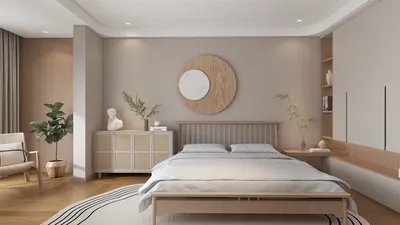


The core design challenge of the Dune style lies in harmonizing its signature natural textures and colors with functional spatial design to achieve both comfort and authenticity. This aesthetic, deeply rooted in earthy hues and organic materials, demands a careful balance between minimalism and warmth. The goal is to evoke a tactile connection to nature without sacrificing modern livability or cluttering the space with unnecessary elements. Designers must negotiate the tension between simplicity and richness — ensuring each piece complements textures like linen, woven fibers, or raw wood rather than dominating the composition. Another critical aspect is proportion: oversized furniture or overly rigid geometric forms can disrupt the subtle flow that the Dune style strives to maintain. It’s essential to curate objects that emphasize softness and tactile appeal while maintaining visual restraint. Additionally, lighting requires nuanced control; too harsh or artificial illumination can blunt the natural atmosphere this style depends on. Subtle gradations of warm light paired with shadow play activate the textures and bring out layers of detail without overwhelming them. Finally, small decorative features such as carefully selected ceramics, organic sculptures, and woven baskets serve as focal points to enhance the sense of authenticity, enriching a restrained palette with depth and personality. Each element must be thoughtfully integrated to preserve the uncluttered and grounded essence of the design. Bringing all these considerations together challenges designers to execute a cohesive environment where every component participates in a holistic narrative — one of natural elegance and understated sophistication.
Step 1: Layout Logic — Spatial Proportion and Furniture Placement
Achieving the perfect spatial arrangement is fundamental when working within the Dune style. This involves respecting natural proportions and allowing circulation that feels effortless yet intentional. Start by zoning living spaces to support relaxation and conversation, avoiding overcrowding. Opt for furniture that balances scale with the room; low-profile seating with soft curves harmonizes nicely with organic forms in the décor. Avoid heavy, dark pieces that could interrupt the airy atmosphere. Instead, choose wood tones that reflect sand and stone hues to reinforce the palette. Position sofas and chairs to foster openness, often favoring symmetrical placements where paired armchairs face each other with a coffee table anchoring the center. Side tables and storage remain fully accessible but minimal to maintain flow. Utilizing area rugs crafted from jute or sisal can define seating without imposing harsh color contrasts. Leave negative space purposefully — letting walls breathe contributes to tranquility, a valued trait of the Dune aesthetic. In open floor plans, partial partitions or plants can subtly delineate spaces without isolating them, preserving a unified feel. Anticipate the way natural light moves through the room to avoid placing large pieces that block its path. Ultimately, spatial design in this style is a dance between restraint and warmth, ensuring every piece contributes to a calm, inviting harmony while providing practical utility.
Step 2: Light and Color — Tonal Selection and Light Source Coordination
In the Dune style, lighting is as much a design element as furniture or textiles. The palette primarily consists of soft neutrals — beiges, creams, warm greys, and sand-inspired shades — that respond beautifully to layered lighting. Begin by maximizing natural daylight, using sheer window treatments that diffuse sunlight gently rather than blocking it. For artificial lighting, opt for fixtures with organic shapes and natural materials like rattan, woven fibers, or unfinished wood. Layer your illumination: combine warm ambient lights with focused task lighting and accent lights that highlight texture and detail. For instance, a cluster of pendant lamps over a dining table or sculptural floor lamps can add dimension without disrupting simplicity. Incorporate dimmer switches to modulate the mood, allowing the warm palette to shift softly throughout the day. Wall sconces with matte finishes can provide subtle uplighting to prevent harsh shadows. Color temperature is key; choosing bulbs around 2700K enhances warm tones and complements the calming ambiance. Additionally, reflective surfaces should be muted — avoid glossy or metallic reflections that contradict the grounded ethos of the style. Instead, favor matte ceramics and matte or softly polished wood finishes that catch light softly, contributing to an overall sense of tactile richness integrated with visual serenity.
Step 3: Defining Accents — Small Models and Accessories to Enhance Texture
The finishing touches within a Dune-inspired interior are decisive in translating abstract warmth into concrete sensory experience. Prioritize accessories that reinforce the connection to nature through tactility and craftsmanship. Handcrafted ceramics in matte shades, woven bowls, textured linens, and small sculptures made from driftwood or natural stone punctuate the design with authenticity without crowding surfaces. Grouping items in small, intentional clusters — such as a ceramic vase next to a dried pampas arrangement or a set of stone coasters atop a wooden tray — draws the eye and creates tactile interest. This style dislikes excess ornamentation; every item should earn its place by contributing texture, function, or narrative. Incorporate landscape-inspired motifs or organic patterns subtly through textiles or accessories to maintain cohesion. Additionally, introducing greenery like potted succulents or air plants complements the natural palette and softens lines. Lighting small accent lamps with woven shades or placing scented candles in natural containers can heighten sensory comfort. Thoughtful arrangement is crucial: spread accents evenly throughout a room to avoid focal overloads, ensuring they interact harmoniously with both furnishings and lighting. Through careful curation of these smaller elements, designers complete the immersive experience of Dune’s natural elegance.
Designing the Look
For designers working in Homestyler, the Dune is a practical shortcut to authenticity. It removes the guesswork from sourcing — every piece is pre-matched in scale, material, and proportion to deliver a coherent natural elegance result.

Minimalist Brown Fabric Oversized Armchair with Throw Pillow 3D Model

Modern Dark Oak Metal Wall Lamp 3D Model


Modern Minimalist Fabric L Shaped Sectional Sofa With Storage Shelf 3D Model


Minimalist Dark Walnut Nesting Wooden Bowls 3D Model
FAQ
Q1: How can I maintain the airy feeling of the Dune style when adding storage solutions?
To keep the light and spacious atmosphere, choose storage pieces with natural wood finishes and open shelving rather than bulky cabinets. Incorporate baskets made from woven natural fibers to blend storage with décor, and keep items organized and minimal. Avoid closed, dark units that absorb light and disrupt the openness. Instead, prioritize multifunctional furniture that doubles as storage and seating or tables to maintain flow and simplicity.
Q2: What materials are best for upholstery in the Dune style to keep both comfort and authenticity?
Natural fabrics such as linen, cotton, or hemp in neutral tones work best for upholstery. These materials allow texture to shine while offering breathability and tactile warmth. Avoid synthetic or shiny fabrics that conflict with the rougher, matte textures core to Dune. Additionally, selecting removable slipcovers supports easy maintenance while preserving the look.
Q3: How do I use lighting to emphasize texture without overwhelming the calm mood?
Use layered lighting with a focus on warm light sources and dimming capabilities. Employ soft uplighting and indirect light to cast gentle shadows over textured surfaces like woven rugs or plaster walls. Avoid harsh, direct overhead lighting that flattens details or creates stark contrasts. The key is subtlety — light should reveal texture progressively, blending warmly into the background rather than demanding attention.
Built on technology originally developed at Autodesk, Homestyler empowers anyone to design beautiful, realistic spaces in minutes. Join over 18 million users who have already discovered a smarter way to plan, visualize, and bring their dream homes to life — all from the comfort of a browser.
Homestyler offers a vast library of furniture and decoration materials to meet all your design needs.
Design Now for FREE
































