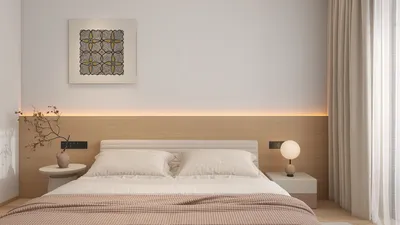


Crimson Elegance presents a unique design challenge: marrying rich, saturated color with luxe materials without overwhelming the senses or disrupting spatial harmony. The core design conflict lies in balancing deep crimson tones against neutral backgrounds and elegant textures. This style demands precision—too little contrast and the space loses definition; too much, and it becomes visually heavy, losing that refined finish. The solution requires careful calibration of furniture scale, fabrics, and accessories to craft a cohesive atmosphere that feels indulgent yet approachable. The challenge extends to ensuring that each element contributes to a holistic narrative where crimson—often a dominant, attention-commanding hue—is tempered by symmetry, complementary accents, and thoughtful layering. Emphasizing quality materials such as plush velvets, polished metals, and handcrafted details anchors the color story, transforming bold reds into statements of timeless sophistication rather than mere flamboyance. Spatial awareness is just as critical as color. Crimson Elegance thrives on well-proportioned rooms that allow the richness of the palette and materials to breathe. This prevents overstimulation and maintains elegance. Designers must carefully select furnishings and décor that balance presence with subtlety, ensuring the crimson features highlight architectural details and flow naturally with the room’s overall rhythm. Ultimately, Crimson Elegance is a study in contrasts harmonized through restraint and intentionality. Its design philosophy respects tradition while embracing modern sensibilities, delivering interiors that are as comfortable as they are commanding. Navigating the tension between opulence and understatement is the essential task, turning potentially overpowering hues into a harmonious, inviting environment.
Step 1: Layout Logic — Spatial Proportion and Furniture Placement
The fundamental step in executing the Crimson Elegance style is mastering spatial proportion paired with furniture placement. Begin by analyzing the room's dimensions and natural flow paths. Generous proportions allow crimson accents to become focal points while maintaining airiness. Prioritize large-scale pieces with clean lines but rich upholstery—preferably in complementary neutrals like charcoal or warm beiges—to anchor the room. Position these major items symmetrically around key architectural features such as fireplaces or windows to strengthen balance. Avoid crowding; instead, introduce negative space to let textures and colors emerge without competition. Introduce secondary seating or side tables in darker woods or metals to add depth without overwhelming the palette. Low-profile furniture supports the weight of crimson elements by reducing visual bulk, ideal for maintaining a sophisticated silhouette. Ensure traffic flow is unobstructed, and sightlines are clear, allowing crimson features—such as an accent chair or drapery—to visually punctuate the arrangement. Mirrors placed strategically can enhance space perception while reflecting rich color tones subtly. Layer rugs under seating zones in muted patterns or natural fibers to soften hard surfaces and ground furniture clusters. The key lies in scale alignment; oversized crimson rugs or too many small accents risk fragmentation. Instead, opt for well-measured elements that interact visually but maintain the integrity of the spatial plan.
Step 2: Light and Color — Tone Selection and Light Source Pairing
Selective lighting profoundly influences how crimson and its accompanying tones read within a space. Choose warm-toned LED bulbs with a color temperature between 2700K and 3000K to highlight crimson’s warmth without skewing hues unnaturally. Layer your light sources, combining ambient, task, and accent lighting. Ambient lighting through recessed fixtures or elegant, statement pendants provides an even wash that softens intense color saturation. Accent lights—such as wall sconces with bronze or aged gold finishes—catch velvet upholstery and metallic details, creating luxurious shear depth. Task lights with adjustable arms situate lighting where functionality meets style, complementing the overall scheme. In terms of palette, pair crimson with muted neutrals like taupe, soft grays, and creamy whites to avoid chromatic conflict. Metallic accents in brushed brass or antique gold enhance the warmth and sophistication intrinsic to Crimson Elegance. Avoid overly bright or cool fluorescent lighting that can render crimson harsh and flat. Instead, harness natural daylight during the day, softened by sheer drapery in complementary hues, to maintain consistent tone throughout the day. Implement dimmers for flexibility, enabling the transition from bright, lively gatherings to intimate evenings, dynamically playing with shadow and depth to emphasize the room’s textures and colors.
Step 3: Finishing Touches — Small-Scale Models and Detail Enhancement
Incorporating small-scale decorative pieces is essential to complete the Crimson Elegance look with precision. Curate artwork, vases, and cushions that subtly echo crimson while introducing nuanced textures and supporting tones. Select cushions in plush velvets, silks, or subtly patterned fabrics that introduce tactile contrast without overpowering. Metallic or jeweled accents on smaller objects such as lamp bases or curtain tiebacks lend sparkle and sophistication. Introduce handcrafted ceramics or glassware in complementary colors positioned strategically on consoles or shelves to break monotony. Layering different scales—such as combining a large crimson leather ottoman with small brass trays—creates visual interest grounded in proportional harmony. Consider the use of natural elements like dark wood frames or smooth stone to temper richness and add organic warmth. Sculpture pieces or books curated with care hint at personality while supporting the theme. The key is subtlety. Avoid too many competing accessories which dilute impact. Instead, let each piece be deliberate, supporting the overarching palette and material story to maintain an overall sense of refinement and cohesion.
Designing the Look
For designers working in Homestyler, the Crimson Elegance is a practical shortcut to authenticity. It removes the guesswork from sourcing — every piece is pre-matched in scale, material, and proportion to deliver a coherent Crimson Elegance result.

Burgundy Velvet Pleated Modern Armchair with Gold Metal Legs 3D Model

Minimalist Velvet Modular Sofa 3D Model

Minimalist Ceramic Coffee Cup and Stacked Books Decor 3D Model
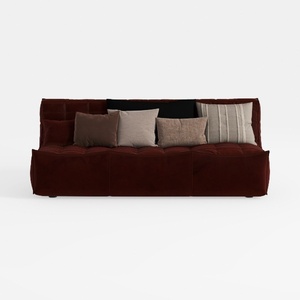
Burgundy Velvet Tufted Contemporary Sofa With Decorative Throw Pillows 3D Model

Modern Fabric Leather Solid Wood Accent Armchair 3D Model

Minimalist Red Fabric Abstract Wall Decor 3D Model
FAQ
Q: How can I prevent crimson tones from overpowering a small room?
For smaller spaces, balance crimson with light, neutral walls and reflective surfaces such as mirrors to create a sense of expansion. Use crimson in accent pieces rather than large surfaces to anchor interest without overwhelming. Incorporate texture with natural fibers to soften impactful colors.
Q: What types of fabrics best support the Crimson Elegance aesthetic for upholstery?
Choose rich fabrics like velvet, silk, or satin that reflect light subtly and provide an inviting tactile quality. These materials emphasize luxury and depth in crimson hues, integrating seamlessly with the style’s ambiance.
Q: How should lighting be adjusted throughout the day in a room styled with Crimson Elegance?
Maximize natural light during daytime with sheer window treatments to diffuse brightness evenly. In the evening, use layered artificial lighting with dimmable fixtures to create versatile moods. Warm bulbs complement crimson, while accent lights highlight textures and focal points effectively.
Built on technology originally developed at Autodesk, Homestyler empowers anyone to design beautiful, realistic spaces in minutes. Join over 18 million users who have already discovered a smarter way to plan, visualize, and bring their dream homes to life — all from the comfort of a browser.
Homestyler supports multiple platforms, allowing you to work on your interior design anytime, anywhere.
Design Now for FREE
































