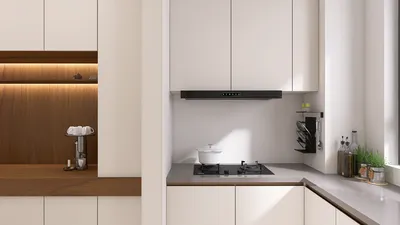


Country Style interior design is rooted in the harmonious balance between rugged rusticity and understated sophistication. The core challenge lies in creating a space that feels both inviting and organically timeless without tipping into cliché or overstated kitsch. The style thrives on natural textures, warm materials, and a sense of unpretentious comfort that recalls rural living, yet often must adapt to modern spatial constraints and contemporary lifestyles. Achieving this balance requires precision in proportion, material layering, and subtle detailing rather than overwhelming with predictable Southern or farmhouse motifs. A key tension is between maintaining an airy, uncluttered ambiance and incorporating enough visual richness to evoke countryside warmth. Avoiding overly saturated colors or heavy, oversized furnishings that can dwarf a room ensures the space remains light and breathable while simultaneously grounded by authentic, tactile elements like reclaimed wood, soft linens, and hand-crafted accessories. The unpredictable nature of raw, unrefined materials juxtaposed with more polished, heirloom-inspired pieces creates an intriguing dialogue central to country style’s enduring allure.
Step 1: Layout Logic — Spatial Proportion and Furniture Placement
To build a genuine Country Style interior, start by analyzing spatial proportions with an eye toward flow and function. Rooms often lend themselves to open-plan living, yet careful furniture selection and positioning prevents them from feeling sparse or disjointed. Prioritize pieces that embody solid craftsmanship and natural materials, such as solid oak tables or slipcovered armchairs, sized proportionally to the room. Avoid oversized sectional sofas that can dominate; instead choose complementary seating groups arranged for intimacy and conversation. Offset heavy furniture with light, airy pieces like ladder-back chairs or vintage stools to maintain balance. Lay out furniture with deliberate consideration for both circulation paths and focal points—fireplaces, rustic cabinetry, or large windows framed with simple curtains become anchors for composition. Creating defined zones within open spaces via rugs or differing furniture scales helps delineate purpose without physical barriers, essential for rustic environments aiming to feel welcoming yet practical. Embracing asymmetry in arrangement, such as an off-center sideboard or a cluster of mismatched chairs, can elevate rustic authenticity by avoiding stark formality. Functional storage like woven baskets or open shelving remains visible yet integrated, supporting the lived-in charm unique to the Country Style ethos.
Step 2: Light and Color — Choosing Tone Palette and Light Sources
Lighting and color decisions define the mood in Country Style interiors and must complement natural materials seamlessly. Begin with a muted, earthy palette emphasizing tones like soft creams, muted sage greens, weathered blues, and warm ochres. These colors evoke a sense of place and time without overwhelming the senses. Walls painted in matte finishes soften natural light filtering through gauzy linen curtains. Layer lighting in multiple levels using rustic iron chandeliers for ambient illumination, task lighting through vintage-inspired lamps with linen shades, and accent lights to highlight textural details such as exposed brick or reclaimed wood beams. Allow daylight to permeate as naturally as possible; large, uncluttered windows framed subtly increase openness and hospitality crucial to rural aesthetics. Consider substituting cool white bulbs with bulbs emitting warmer tones to emulate sunlight and candlelight’s inviting glow. Light reflected off soft plaster walls or wooden surfaces will further enhance the room’s warmth. For evening ambiance, candle clusters or lanterns with flickering flames integrate genuine rural tools of light, enhancing authenticity without contrived effects.
Step 3: Accents That Enrich — Small-Scale Models to Uplift Texture and Mood
Embellishing Country Style interiors depends on carefully curated accent objects that are rich in texture and story. Select artisanal ceramic pitchers, woven baskets, vintage books, and handmade textiles for an authentic narrative of rural life. These small details should feel organically sourced, preferably with slight imperfections indicative of honest craftsmanship. Incorporate natural elements like dried herbs, branches, or potted plants displayed in terracotta or galvanized metal containers to reinforce the connection to the outdoors. Old farm tools repurposed as wall hangings or table decorations add unexpected tactile interest. Layer throws in natural fibers such as wool or linen over furniture edges for color and softness contrasts. Lampshades textured with burlap or aged patina metal bases contribute subtle rustic sophistication. Avoid glossy or ultra-modern décor pieces which disrupt visual harmony. Instead, focus on subtle warmth through weathered patina and gently faded colors that harmonize with the larger material narrative. Such accents not only enhance tactile richness but also invite emotional connection and narrative depth, transforming the space from a mere lookalike to a lived experience.
Designing the Look
For designers working in Homestyler, the Country Style is a practical shortcut to authenticity. It removes the guesswork from sourcing — every piece is pre-matched in scale, material, and proportion to deliver a coherent rustic result.
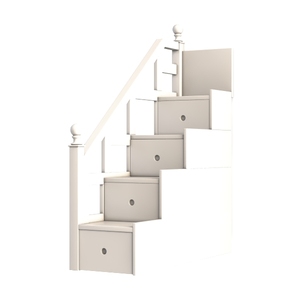
Minimalist Solid Wood Staircase Storage Cabinet 3D Model

Vintage White Metal Ornate Garden Bench 3D Model

Vintage Princess Style Kids Loft Bed with Storage Stairs 3D Model


Minimalist White Metal Round Outdoor Dining Table 3D Model

dining set-Country Style
FAQ
Q1: How can I balance rustic charm with modern conveniences in Country Style interiors?
Integrating modern convenience requires choosing furniture and fixtures that combine rustic materials with updated functionality. For example, kitchen cabinetry can be crafted from reclaimed wood but fitted with soft-close hinges and modern appliances subtly concealed. Seating can include traditional shapes covered in stain-resistant but natural-feeling fabrics. Lighting fixtures that look antique but use LED technology marry aesthetic with modern efficiency, ensuring the space remains usable without sacrificing authenticity.
Q2: What flooring options best suit Country Style, and how do they influence spatial perception?
Hardwood floors with wide planks in natural, matte finishes are quintessential. They imbue warmth and help elongate or expand space visually. Natural stone or terracotta tiles introduce textured surface variety but should be used sparingly to avoid heaviness. Layering with textured rugs further defines zones and softens the overall palette. Choosing flooring that shows natural grain and wear aligns with the lived-in story essential to Country Style.
Q3: How do I prevent a Country Style interior from looking outdated or overly nostalgic?
Maintain a fresh balance by limiting the use of overly kitschy or mass-produced decor. Incorporate contemporary elements such as streamlined furniture shapes or minimalistic wall art while retaining rustic materials. Rotating accent colors seasonally and refreshing textiles can keep the space lively. Most importantly, curate objects selectively, focusing on quality and authenticity rather than quantity, so the space tells a personal and relevant story, not a cliché.
Built on technology originally developed at Autodesk, Homestyler empowers anyone to design beautiful, realistic spaces in minutes. Join over 18 million users who have already discovered a smarter way to plan, visualize, and bring their dream homes to life — all from the comfort of a browser.
Homestyler is a professional interior design software that helps users effortlessly create their dream home.
Design Now for FREE
































