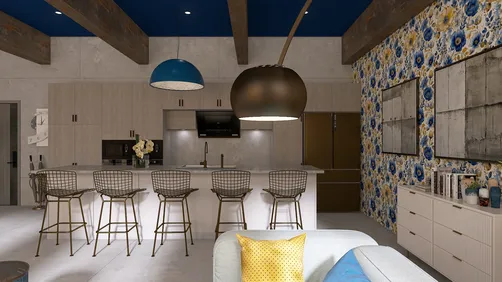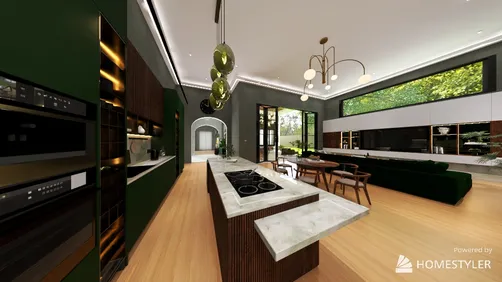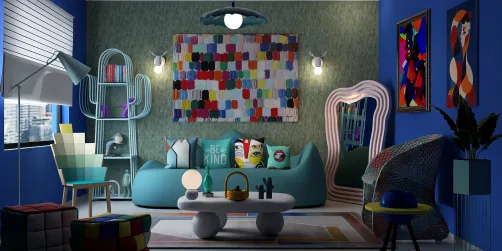


Introduction
Cotton fabric style is a celebration of natural comfort and understated elegance rooted deeply in the philosophy of simplicity and functionality. Its origins can be traced to centuries-old practices where the tactile and breathable qualities of cotton were prized for both clothing and dwellings. This style rejects over-ornamentation and artificial textures, choosing instead a visual language that expresses honesty and durability. Embracing this aesthetic means creating spaces that are simultaneously soft to the touch and soothing to the eye, evoking an organic connection between humans and their environment. The essence of cotton fabric style lies in translating this wholesome textile quality into interior elements that communicate warmth without pretense, making every detail feel intentional and genuine. The style thrives on calm neutrality accentuated by subtle irregularities found in naturally woven materials, where comfort is never compromised by design. This approach to interiors encourages a slower, more mindful appreciation of space where texture and form converge to produce an effortless yet deeply cozy ambience.
Core Elements
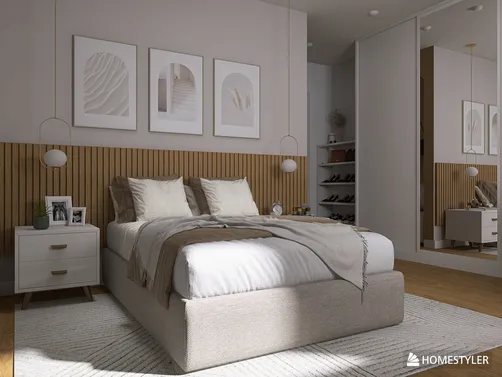
Color plays a pivotal role in the cotton fabric style with a palette predominantly inspired by nature’s own hues. Soft whites, delicate creams, muted beiges, and gentle grays compose the core color spectrum, favoring shades that resonate tranquility and purity. These colors work to enhance the tactile appeal of cotton by not overpowering the natural weave and softness inherent to the fabric. The palette’s muted nature is an intentional choice to maintain a connection to earth tones and evoke a sense of calmness and simplicity. These colors also act as an ideal backdrop to highlight the subtle variations in cotton’s texture and weave patterns, creating interesting visual depth without disruption. Rather than relying on bright or synthetic colors, this approach seeks harmony and balance, reinforcing the fabric’s humble yet elegant personality in interiors.
Materials are the very soul of cotton fabric style, with cotton itself as the centerpiece. The fabric is valued not only for its breathability and softness but also for its craftsmanship—natural fibers woven with care to produce surfaces that invite touch. In interiors, this often translates into upholstery, cushions, curtains, and throws that boast visible yarn textures and occasionally uneven weaves that add authenticity. The style also encourages blending cotton with occasional natural elements like linen, wool, and unpolished wood to complement the tactile experience. Surfaces refrain from high gloss or artificial finishes, instead embracing matte and raw appearances that celebrate imperfection and organic beauty. Through these material choices, a space invites a sensory dialogue where sight and touch harmonize to nurture comfort and honesty.
Shape in cotton fabric style leans toward organic, relaxed forms that mirror the fabric’s gentle drape and pliability. Furniture and decor choices avoid rigid or overly geometric silhouettes, favoring instead softly rounded edges, slouchy cushions, and unstructured elements that enhance an informal, lived-in feel. Shapes echo the natural irregularities found in handcrafted textiles, reinforcing the authenticity of the material. This informality fosters an atmosphere that encourages cozy gatherings and restful solitude alike. Instead of rigid perfection, the style embraces the beauty of subtle variations and asymmetry, reflecting artisanal qualities. Whether it’s a softly curved armchair or loosely folded cotton curtains, the emphasis is on fluidity and approachability rather than stark minimalism.
Designing the Look
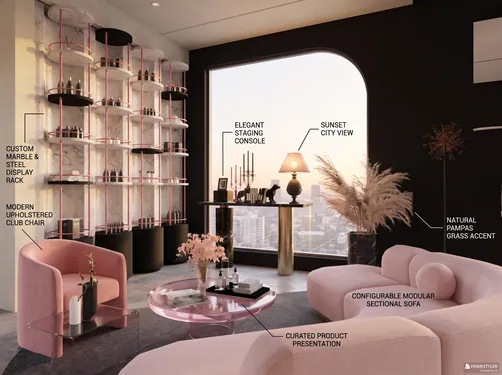
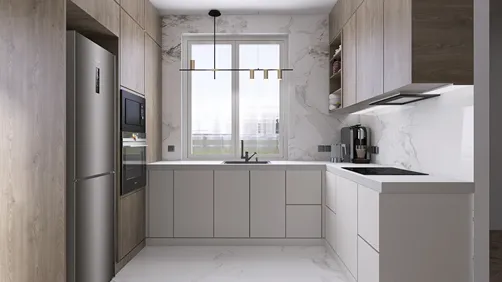
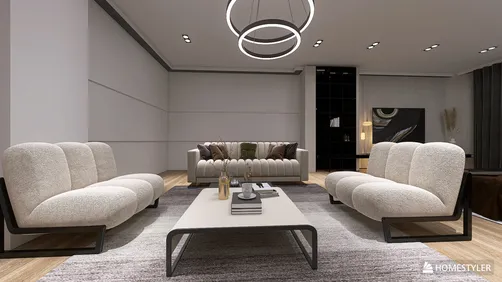
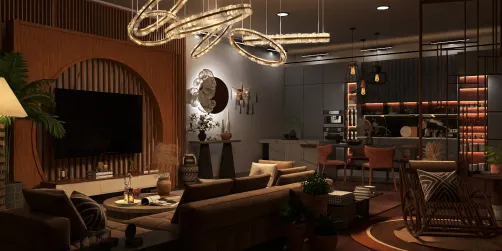
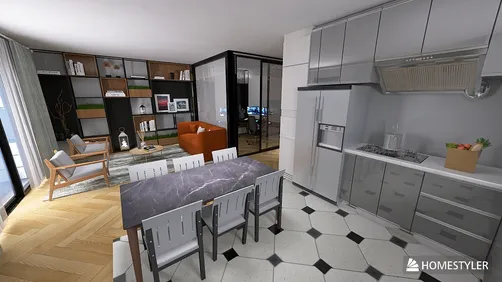
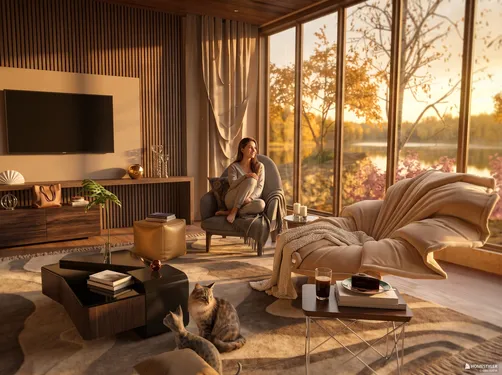
Realizing a cotton fabric-inspired interior requires sensitive attention to how natural textiles perform within architectural spaces. Homestyler’s ‘Cotton Fabric’ offers a comprehensive set of ready-to-use 3D models specifically curated to embody this aesthetic, allowing designers to achieve authentic results with professional-grade textures and forms. These models represent the tactile density and soft folds characteristic of cotton textiles, enabling a realistic visualization before implementation. Designers harness this toolkit to populate interiors with furniture and furnishings exhibiting precise fabric tension, weaving details, and natural coloration reminiscent of handwoven cotton. Such detailed modeling facilitates exploration of composition, balance, and proportion in arrangements that amplify textile prominence without overwhelming spatial harmony. Using these 3D assets accelerates the design process by providing trustworthy references, helping designers generate spaces rich in sensory qualities that invite users into a tactile experience. This practical resource elevates the cotton fabric style from concept to tangible reality with confidence and creative freedom.

bookcase-Library Furnishings

massage chair-Beauty SalonⅡ

pergola-Autumn Fire Pit

lantern-Autumn Fire Pit
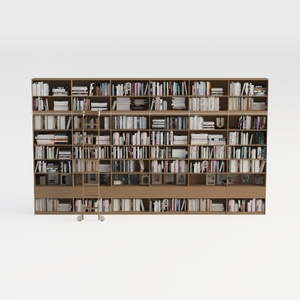
bookcase-Library Furnishings

planter seating-Library Furnishings
FAQ
Q1: How can cotton fabric style be integrated into modern minimalist interiors?
While minimalist design typically emphasizes clean lines and sparsity, cotton fabric style complements it by introducing softness through texture and warm neutral tones. Incorporating cotton upholstery or cotton blend cushions on streamlined furniture adds tactile warmth without disrupting minimalist ideals. The key is selecting simple yet organically shaped pieces and maintaining a restrained, natural color palette to harmonize with minimalist surroundings.
Q2: What are the care considerations for cotton fabrics in high-traffic interior settings?
Cotton fabrics are breathable and comfortable but can be prone to staining and fading, especially under direct sunlight or moisture. Selecting high-quality, tightly woven cotton blends or pre-treated fabrics can increase durability. Regular gentle cleaning, avoiding harsh chemicals, and protecting from prolonged sun exposure will maintain fabric freshness. Layering cotton with removable washable covers also extends lifespan in active households.
Q3: Can cotton fabric elements contribute to sustainable interior design?
Absolutely. Cotton, particularly organic and sustainably farmed varieties, is a renewable resource with a smaller carbon footprint than synthetic materials. Using cotton fabrics in interiors supports eco-conscious design goals by choosing biodegradable, natural fibers over plastics or petrochemical textiles. Pairing cotton with responsibly sourced wood or natural fibers enhances sustainability and creates interiors aligned with environmental mindfulness.
Homestyler's roots trace back to Autodesk, the global leader in design and engineering software. That heritage lives on in every feature we build. Today, with a community of more than 20+ million registered users (platform data, 2026) worldwide, Homestyler continues to make professional-quality interior design accessible to everyone — from first-time decorators to seasoned architects.
Design your ideal space with Homestyler, turn your creativity into reality, and craft a unique home style that is truly your own.
Design Now for FREE