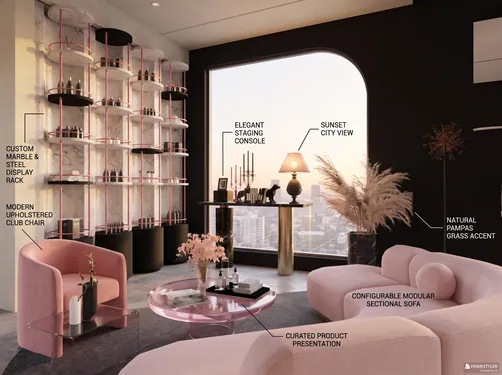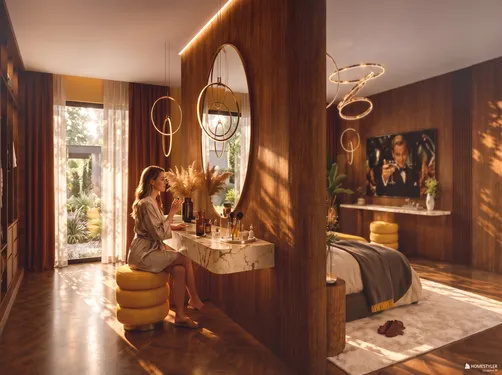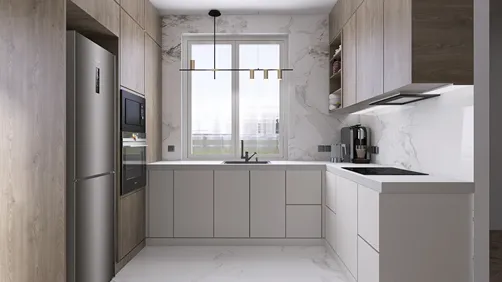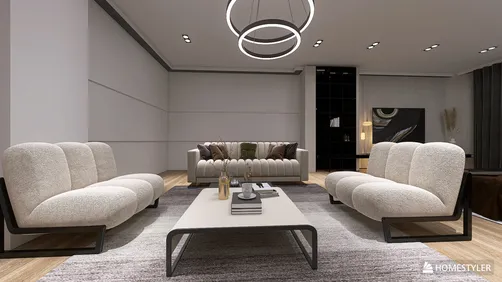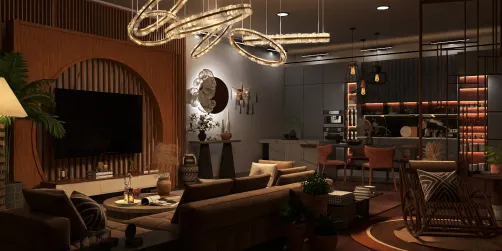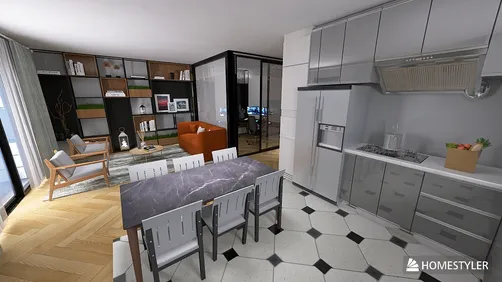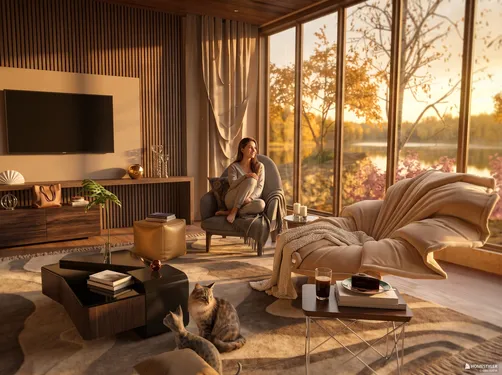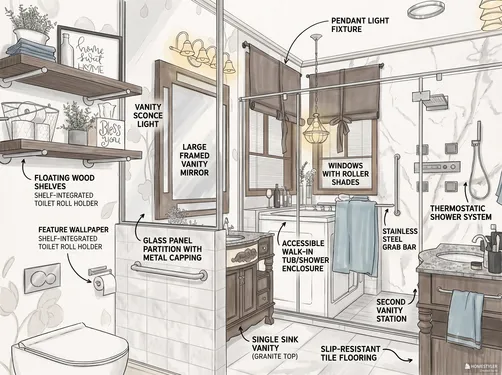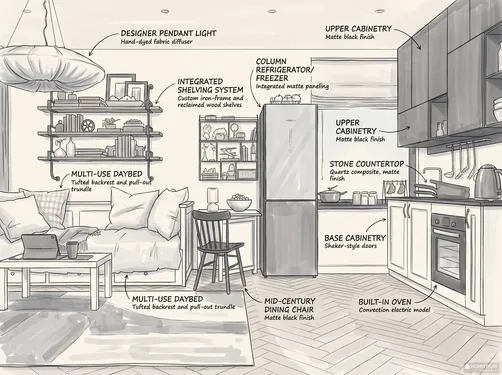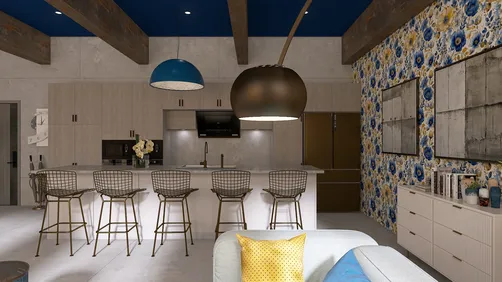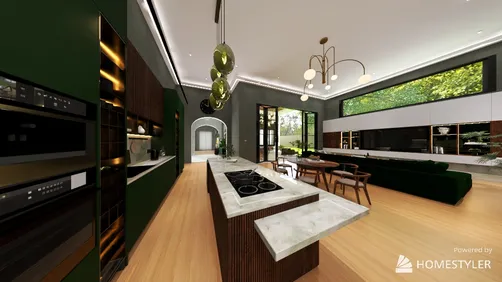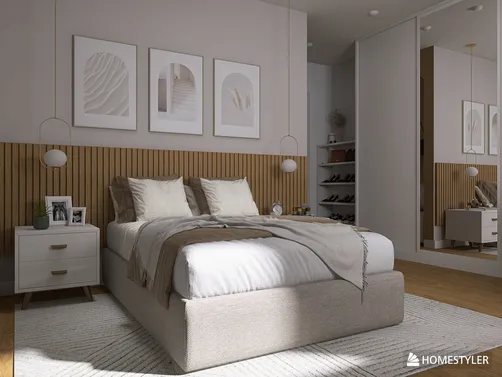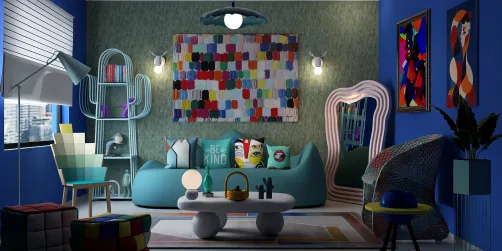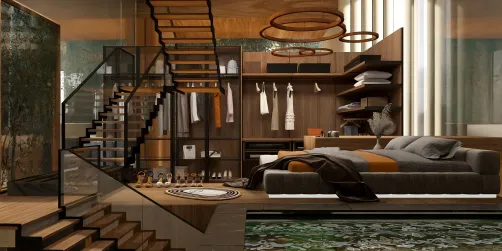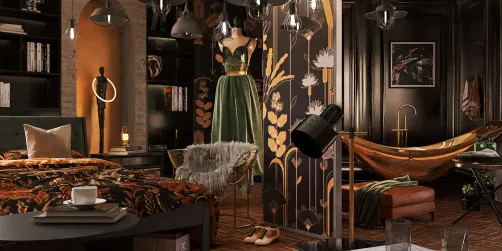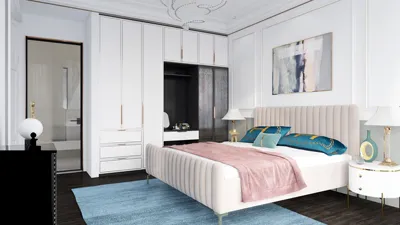

Designing interiors with cotton fabric presents a nuanced balance between comfort and style. The primary design challenge lies in maintaining an inviting softness without compromising on modern aesthetics. Cotton's natural texture invites warmth and tactile richness; yet, achieving a cohesive look demands careful attention to the fabric’s interaction with other materials and spatial elements. Cotton's inherent breathability and matte finish can contrast sharply with high-gloss surfaces or metallic accents, requiring deliberate choices to unify the space. Designers must reconcile the casual, relaxed aura of cotton with the refined structure of contemporary interiors. This entails curating layers that respect scale and proportion, avoiding the risk of an overly informal or visually chaotic space. The core challenge is thus to harness cotton fabric’s versatility while instilling intentionality in every design decision—ensuring that softness acts as a foundation rather than an afterthought. Interiors relying on cotton demands precision in combining texture with form, where the potential to create inviting retreats is unlocked through strategic pairing rather than singular use.
Step 1: Layout Logic — Spatial Proportions and Furniture Arrangement
Mastering spatial layout is critical when working with cotton fabric as a primary material. Begin by assessing the room’s proportions and how furniture placement influences flow and balance. Cotton’s visual lightness means bulky furniture can overwhelm the softness it imparts. Opt for streamlined silhouettes that allow the fabric’s texture to enhance rather than compete with form. Group seating arrangements to promote interaction, while considering the scale of cotton-upholstered pieces in relation to hard surfaces such as wood or metal. Avoid overcrowding with multiple heavy textile elements; instead, use key cotton items as focal points within a measured composition. Introduce varied heights and shapes to create visual interest—pair low cotton-upholstered sofas with taller, slender side tables or floor lamps to prevent monotony. Position furniture to optimize natural circulation paths, ensuring the tactile qualities of cotton invite touch without restricting movement. Practically, measure and mock-up layouts with scaled models or digital renderings focused on cotton elements, to verify proportional harmony before selection. This approach safeguards against overuse of fabric and maintains an airy, welcoming ambiance.
Step 2: Light and Shadow — Tone Selection and Light Source Coordination
Cotton fabric’s appearance shifts significantly under different lighting conditions. When integrating it into interior design, meticulous consideration of light and color harmony is essential. Soft, natural fiber texture responds best to diffused daylight and warm artificial lighting, revealing subtleties in weave and color depth. Choose color palettes that accentuate cotton’s matte finish—muted neutrals, pastel hues, or earth tones work exceptionally well to evoke tranquility. Avoid overly vibrant or slick finishes nearby that could create dissonance. Employ layered lighting strategies: combine ambient lighting with task and accent lights to sculpt the fabric’s tactile qualities. Position indirect light sources that minimize harsh shadows on cotton surfaces, preserving their inviting softness. Consider window treatments and translucent curtains to modulate sunlight, protecting cotton fabrics from intense UV exposure while maintaining luminosity. Experiment with warm-toned LED bulbs replicating sunlight temperature for evening settings to retain textural warmth. Thoughtful color and light integration highlights cotton’s natural fibers and contributes to a serene, consistently comfortable atmosphere throughout the day.
Step 3: Accent Details — Small-Scale Models Elevating Overall Texture
Accent pieces crafted from or featuring cotton fabric can transform a space’s perceived quality and finish. Incorporate small-scale models such as cushions, poufs, and throws to introduce layers of softness without overwhelming. Choose accents that showcase the fabric’s tactile character—think hand-stitched detailing, textured weaves, or subtle stripe patterns. Employ cotton blends with organic dyes or handloom techniques to add artisanal appeal. These elements act as punctuation marks within the spatial narrative, drawing the eye and inviting tactile engagement. Pair cotton accents with complementary natural materials like rattan, linen, or reclaimed wood to emphasize warmth and authenticity. Use these details strategically in color and placement to bridge larger upholstered areas and hard finishes. This careful calibration of accent pieces helps avoid monotony and punctuates the cotton fabric’s presence, creating rhythm and nuance in the interior composition. Accent model choices should reflect not only aesthetics but practical considerations like durability and ease of cleaning, ensuring longevity of texture and appearance over time.
Designing the Look
For designers working in Homestyler, the Cotton Fabric is a practical shortcut to authenticity. It removes the guesswork from sourcing — every piece is pre-matched in scale, material, and proportion to deliver a coherent cozy and natural result.

bookcase-Library Furnishings

massage chair-Beauty SalonⅡ

pergola-Autumn Fire Pit

lantern-Autumn Fire Pit
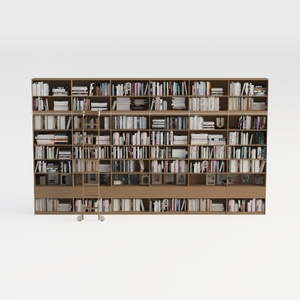
bookcase-Library Furnishings

planter seating-Library Furnishings
FAQ
Q: How can I prevent cotton fabric from looking too casual in a modern interior?
A: Integrate cotton with structured forms and incorporate contrasting materials like metals or sleek woods. Balancing cotton’s softness with clean-lined furniture and selective hard finishes creates a sophisticated dialogue that elevates rather than diminishes the space.
Q: What lighting should I avoid when highlighting cotton fabric?
A: Harsh or direct overhead lighting tends to flatten the texture and can make cotton appear dull or worn. Instead, use layered warm lighting and indirect sources that reveal the fabric’s weave while preserving a soft ambiance.
Q: Are there specific cotton types better suited for upholstery versus accents?
A: Heavyweight cottons such as twill or canvas offer durability for sofas and chairs, while lighter cottons like voile or lawn work excellently for accents like curtains or cushions, balancing tactility and maintenance.
Built on technology originally developed at Autodesk, Homestyler empowers anyone to design beautiful, realistic spaces in minutes. Join over 20+ million registered users (platform data, 2026) who have already discovered a smarter way to plan, visualize, and bring their dream homes to life — all from the comfort of a browser.
Design your ideal space with Homestyler, turn your creativity into reality, and craft a unique home style that is truly your own.
지금 무료로 디자인하세요