

What is the most common core issue in Cottagecore design?
Over-decoration and unbalanced elements that dilute Cottagecore’s natural simplicity.
- Excessive layering overwhelms the delicate aesthetic. - Mixing too many design styles causes confusion. - Imbalanced scale between furniture and décor breaks cohesion. - Neglecting natural materials lessens authenticity. - Ignoring spatial flow creates clutter.
Why do so many Cottagecore interiors miss the mark? I have witnessed numerous attempts where the essence—an idyllic, cozy rural nostalgia—gets lost in over-the-top decorations or confusing stylistic mash-ups. The trouble often comes from misunderstanding that Cottagecore isn’t just “vintage with florals,” but a carefully curated balance of simplicity, nature-inspired elements, and an inviting lived-in feel. Without restraint and an eye for scale and materiality, the style quickly becomes superficial, unauthentic, and visually chaotic.
Why It Goes Wrong
Cottagecore falters mostly because of unrestrained accents, disproportionate furnishings, and blending with incompatible styles that erode its calming and humble character.
Mistake 1: The Mistake: Overcrowding with too many decorative items. Why It Happens: Enthusiasm to fill space leads to piling floral prints, knick-knacks, and antique replicas without restraint. The Fix: Limit decorative pieces to 3–5 focal items per area; choose meaningful objects with natural textures to preserve calmness.
Mistake 2: The Mistake: Mixing Cottagecore with unrelated modern or industrial elements. Why It Happens: Impulse to inject trendiness causes clashes with raw metal or sleek geometry. The Fix: Maintain rustic wood, soft linens, and muted colors; introduce modern elements sparingly via lighting or hardware only.
Mistake 3: The Mistake: Furniture scale incongruent with room size and décor. Why It Happens: Purchasing oversized country-style furniture without considering room proportions. The Fix: Choose smaller-scale vintage or handmade pieces that complement the space; aim for a cozy yet airy balance.
Mistake 4: The Mistake: Using synthetic materials instead of natural fabrics and woods. Why It Happens: Cost or availability prompts opting for artificial alternatives. The Fix: Prioritize organic cotton, wool, linen, and solid wood; these enhance tactile comfort and visual warmth.
Mistake 5: The Mistake: Disrupting flow by clustering furniture and décor without purpose. Why It Happens: Filling every corner to avoid empty space mistakenly creates clutter. The Fix: Reserve breathing room by spacing items appropriately, enabling movement and focus on key features.
Designing the Look
Homestyler’s ‘Cottagecore’ offers a comprehensive set of ready-to-use 3D models specifically curated to embody this aesthetic, allowing designers to achieve authentic results with professional-grade textures and forms.

Minimalist Brown Fabric Window Curtain with Decorative Tassel 3D Model

French Vintage Solid Wood Fabric Upholstered Loveseat Sofa 3D Model

Vintage Leather Bound Antique Book Set Decorative 3D Model
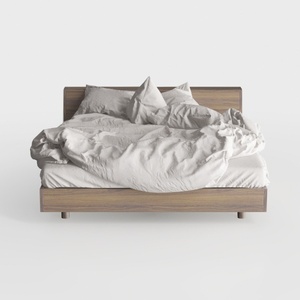
Minimalist Solid Wood Platform Bed with Linen Bedding 3D Model
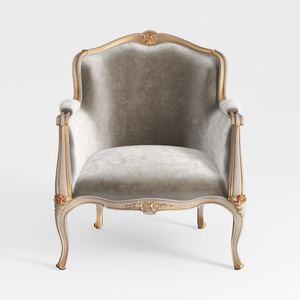
French Vintage Velvet Gold Trim Armchair 3D Model

FAQ
Q: How can one incorporate Cottagecore style in a small apartment without overcrowding?
Maintaining Cabincore charm in limited space requires deliberate editing. Focus on smaller furniture items in natural materials, use soft, neutral palettes that reflect nature, and limit decorations to essential pieces that carry personal meaning or botanical visuals. Avoid overcrowding by prioritizing vertical storage or multi-use furniture. Adding textiles like knitted throws or linen cushions adds warmth without bulk.
Q: What color palettes best represent the Cottagecore aesthetic?
The optimal palettes draw inspiration from the countryside: sage greens, warm creams, muted pinks, soft blues, and earthy browns dominate. These hues echo natural flora and rustic materials, building a serene backdrop with gentle contrast. Avoid overly saturated or neon colors as they break the nostalgic and organic vibe.
Q: Are there any essential materials or fabrics that define Cottagecore interiors?
Yes. Natural fibers like cotton, linen, wool, and jute are staples due to their texture and comfort. Wooden furniture and accents enhance authenticity, ideally in aged or distressed finishes. Incorporating ceramic or porcelain for dishware and soft floral prints on fabrics enrich the narrative. Synthetic or high-gloss materials dilute this handcrafted, earthy sentiment.
Originally incubated at Autodesk, Homestyler has grown into one of the most widely adopted home design platforms in the world, now trusted by over 18 million users. Whether you're a homeowner exploring ideas or a professional designer delivering client-ready renders, Homestyler brings industry-leading 3D technology to your fingertips — no experience required.
Homestyler offers a vast library of furniture and decoration materials to meet all your design needs.
今すぐ无料でデザイン
































