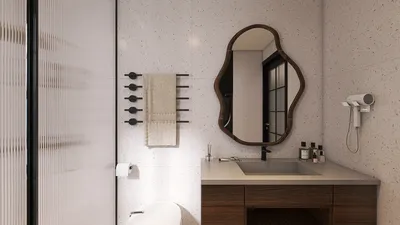


What is the most common design problem in Cool-colored space style?
The primary issue is balancing color temperature and tonal harmony without overwhelming the space.
Quick Takeaways
1. Overuse of cool tones can create a sterile atmosphere. 2. Ignoring warm accents leads to visual monotony. 3. Neglecting scale causes disproportionate furnishings. 4. Mixing unrelated styles dilutes the cohesive cool palette. 5. Poor lighting reduces vibrancy and depth of cool colors.
Introduction
When working with Cool-colored spaces, I have noticed that many designs fall prey to cold and uninviting atmospheres. This style is deceptively challenging because the palette’s restraint requires precise calibration of hues and textures. Without it, rooms can feel either icy or dull, which is a pitfall many designers face early on.
Why It Goes Wrong
The Cool-colored space style often falters due to an imbalance in color temperature and scale. Designers frequently over-emphasize cold blues and grays, neglecting the need for counterbalancing warmer or neutral elements. Additionally, ignoring proportion between furniture and room size results in awkward layouts that disrupt flow and comfort.
Mistake 1
The Mistake: Overuse of monochromatic cool tones leaving the space feeling sterile and cold. Why It Happens: Designers trying to emphasize the 'cool' aspect rely heavily on blues or grays exclusively, assuming uniformity equates to elegance. The Fix: Introduce warm neutrals or subtle textures such as wooden finishes or soft textiles to create balance. Allocate about 20-30% of the palette to warmer accents to break monotony.
Mistake 2
The Mistake: Neglecting scale and proportion in furniture selection, resulting in cramped or empty areas. Why It Happens: The cool tone distraction causes designers to overlook spatial dynamics, focusing more on color than size. The Fix: Measure space thoroughly before choosing pieces. For a room under 20m², select furniture no deeper than 70cm and keep open pathways at least 90cm wide. Use modular pieces for flexibility.
Mistake 3
The Mistake: Mixing eclectic styles that clash with the cool color theme, creating visual disharmony. Why It Happens: Designers may attempt to refresh the palette by incorporating trends like industrial or bohemian elements haphazardly. The Fix: Maintain stylistic consistency by choosing complementary styles such as Scandinavian or minimalist modern. Limit material varieties to two or three to retain coherence.
Mistake 4
The Mistake: Poor lighting that flattens colors and diminishes depth. Why It Happens: Relying on natural light alone or generic overhead fixtures fails to illuminate the subtle variance in cool hues. The Fix: Layer lighting—incorporate ambient, task, and accent lights with adjustable color temperature ranging from 2700K to 4000K. Use dimmers to modify ambiance according to time of day.
Mistake 5
The Mistake: Ignoring texture variety, resulting in flat and uninviting surfaces. Why It Happens: A focus on color means texture is under-prioritized, leaving surfaces visually boring. The Fix: Combine glossy materials like glass or lacquer with matte linens, woven rugs, or brushed metals. Aim for at least three different textures per room to enrich tactile experience.
Designing the Look
Homestyler’s ‘Cool-colored space’ offers a comprehensive set of ready-to-use 3D models specifically curated to embody this aesthetic, allowing designers to achieve authentic results with professional-grade textures and forms.

Minimalist Misty Forest Quote Wall Art Print 3D Model

Minimalist Light Gray Fabric Ottoman Square Shape 3D Model

Minimalist Black Leather Extra Large Sectional Sofa 3D Model

Minimalist Solid Wood Nesting Coffee Tables 3D Model

Minimalist Light Gray Fabric Large Sofa With Decorative Throw Pillows 3D Model

entrance table-Cool-colored space
FAQ
Q: How can I prevent a Cool-colored space from feeling too cold or clinical?
Br>To avoid a cold atmosphere, integrate warm accents such as wood tones or brass details and introduce varied textures to soften the starkness. Balancing cool with warm complements is key to a welcoming environment.
Q: What lighting is ideal for highlighting cool color schemes?
Br>Use layered lighting with adjustable color temperature. Soft white (around 3000K) makes blues feel more vibrant without harshness, while cooler whites (above 4000K) emphasize crispness. Dimmers help fine-tune the mood.
Q: Can I mix Cool-colored space style with other interior styles?
Br>Mixing is possible but should be done thoughtfully. Stick to complementary minimalist or Scandinavian themes that emphasize simplicity and functionality. Avoid eclectic or heavily ornate styles that clash with the restrained cool palette.
Homestyler's roots trace back to Autodesk, the global leader in design and engineering software. That heritage lives on in every feature we build. Today, with a community of more than 18 million users worldwide, Homestyler continues to make professional-quality interior design accessible to everyone — from first-time decorators to seasoned architects.
Homestyler's powerful 3D rendering feature brings your design concepts to life with incredible detail.
Design Now for FREE
































