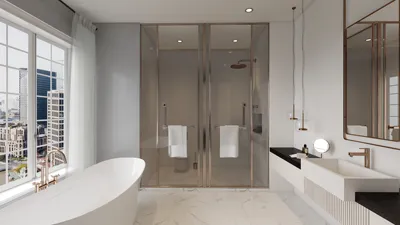


Cool-colored interiors revolve around a nuanced balance between tranquility and vibrancy, where the primary design challenge lies in harmonizing color temperature with spatial composition. The decisive hurdle is avoiding a sterile or cold ambiance while retaining the refreshing clarity these hues bring. This style demands precision in layering subtle blues, greens, and greys, ensuring that depth is not lost in monotone repetition. Designers must navigate contrast carefully; the cool palette can inadvertently diminish warmth and character if overused or improperly paired. Integrating varied textures alongside the color scheme is essential to introduce tactile vitality, which elevates the space beyond flat chromatic expression. Another challenge encompasses scale and proportion within the room. Cool colors tend to visually recede, so furniture and structural elements have to assert presence without overwhelming the understated scheme. Achieving equilibrium entails reflected light optimization, strategically positioned accents, and a considered approach to negative space. Ultimately, the core difficulty of cool-colored space design is crafting an environment that feels simultaneously expansive and inviting—not aloof or impersonal. That delicate tension demands acute attention to materiality, lighting nuances, and coordinated accessory choices, each reinforcing the desired crisp and refreshing essence. When done well, the cool palette embodies modern sophistication with serene comfort.
Layout Logic — Spatial Proportions and Furniture Placement
Begin by assessing the room’s native proportions before introducing any furniture. Cool color effects can visually amplify space, so avoid filling the room with oversized pieces that overcrowd and negate this quality. Instead, favor streamlined, low-profile furniture that complements the room’s natural geometry. In living areas, position seating to foster openness rather than density. Anchor the arrangement around a central coffee table of modest scale, preferably in glass or light wood, which visually recedes and keeps the flow airy. Utilize negative space intentionally — privileges of this design lie as much in what’s left unfilled as in elements added. When planning bedrooms or quiet zones, bedside tables and storage should maintain proportional harmony with the bed’s frame and headboard, preventing bulky dominance. Opt for furniture with slim legs or translucent panels to enhance light penetration beneath and around items, reinforcing the cool palette’s lightness. Pay close attention to alignments; horizontal lines in furniture frames emphasize the spaciousness and calmness typical of cool-toned rooms. Use symmetrical arrangements when possible to create a sense of order and tranquility. By controlling the scale relationship between furnishings and room size, designers ensure the cool palette’s subtle colors don’t fall flat. Properly spaced layouts encourage natural movement, underscoring sophistication through restraint and clarity.
Lighting and Color — Tone Selection and Light Source Pairing
Choosing the right light sources is imperative to uphold the intended cool aesthetic without degenerating into a clinical or stark space. Daylight-mimicking LED lights with soft diffusion complement blues, greens, and muted greys by enhancing their calming undertones. Contrast ambient lighting with strategically placed accent lights that introduce warm highlights. This prevents monotony and introduces vitality to the scheme. For instance, indirect cove lighting can create layered effects that bring visual depth and sculptural interest. Walls painted in light bluish-grey or soft mint reflect illumination well, but pairing these with warmer wood tones or fabrics helps balance the color temperature. A mix of matte and semi-gloss finishes modulates light absorption and reflection, avoiding glare yet maximizing brightness. Consider integrating dimmable fixtures to adapt the space’s atmosphere throughout the day. Cooler daytime light modes pair with warmer evening settings for dynamic mood control. Natural light remains a prized asset; window treatments should filter glare without muting the palette’s vibrancy. Translucent curtains in pale blue or soft white diffuse sunlight, maintaining the overall serenity while avoiding harsh shadows. When these lighting principles marry carefully with the cool palette, the room gains a spectral quality that feels both fresh and inviting, defying the generic chill often associated with such tones.
Accentuating Details — Key Decorative Elements That Enhance Quality
Incorporating small-scale decorative models strategically transforms the curated cool space from simple to sophisticated. Start with textured cushions and throws in layered cool shades but with varied fabric weaves such as linen, velvet, or soft cotton. These enhance tactile richness and add warmth discreetly. Introduce sculptural objects in ceramic or glass — their soft reflective properties echo the palette while adding dimensional interest. Items like vases or bowls in icy blue or frosted finishes fit naturally, reinforcing the underlying theme. Artwork and wall accessories in monochrome or minimalistic abstract forms strengthen the room’s serene narrative without pulling focus. Frames in brushed metals or matte finishes complement the understated quality. Select rugs with subtle patterns or gradients in greys and muted teals for grounding effect and acoustic benefits. In lighting fixtures, modernist designs with geometric simplicity work best. Frosted or smoked glass lampshades diffuse light softly, echoing the cool tone palette further. Finally, greenery like succulents or eucalyptus placed thoughtfully delivers an organic counterpoint, introducing subdued color variation and oxygenating the atmosphere. Together, these carefully curated elements prevent visual stagnation and confirm the cool scheme as a living, breathing environment.
Designing the Look
For designers working in Homestyler, the Cool-colored Space is a practical shortcut to authenticity. It removes the guesswork from sourcing — every piece is pre-matched in scale, material, and proportion to deliver a coherent cool-colored space result.

Minimalist Misty Forest Quote Wall Art Print 3D Model

Minimalist Light Gray Fabric Ottoman Square Shape 3D Model

Minimalist Black Leather Extra Large Sectional Sofa 3D Model

Minimalist Solid Wood Nesting Coffee Tables 3D Model

Minimalist Light Gray Fabric Large Sofa With Decorative Throw Pillows 3D Model

entrance table-Cool-colored space
FAQ
Q1: How can I prevent a cool-colored room from feeling too cold or uninviting?
Balancing cool tones with varied textures is essential. Incorporate warm metallic accents, soft textiles with tactile surfaces, and natural elements like wood or plants to add warmth without disrupting color harmony.
Q2: What lighting fixtures work best to highlight cool tones without overpowering them?
Opt for fixtures with diffused light outputs, such as frosted glass or fabric shades. Use dimmable LEDs with adjustable color temperatures to switch between cooler and warmer light settings appropriate for time of day.
Q3: How should I approach furniture selection to complement cool-colored spaces?
Choose streamlined forms with light or neutral finishes. Avoid bulky pieces; instead, prioritize items with exposed legs or transparent components to maintain open, airy feeling consistent with the cool palette.
Built on technology originally developed at Autodesk, Homestyler empowers anyone to design beautiful, realistic spaces in minutes. Join over 18 million users who have already discovered a smarter way to plan, visualize, and bring their dream homes to life — all from the comfort of a browser.
With Homestyler, you can design and visualize your living spaces online with stunning, realistic results.
Design Now for FREE
































