

Conclusion
Contemporary Tropical and Scandinavian Minimalism offer two distinct approaches to interior design, each with unique appeals and limitations. Contemporary Tropical thrives on vibrant colors and lush organic textures that evoke warmth and exoticism, ideal for those seeking energetic and welcoming spaces. On the other hand, Scandinavian Minimalism emphasizes simplicity, natural light, and functionality, appealing to lovers of understated elegance and calm, clutter-free environments. Choosing between the two involves balancing your appetite for visual complexity against a preference for serene restraint.
Contemporary Tropical Deep Dive
Contemporary Tropical style centers on blending modern design principles with tropical motifs, capturing vibrancy through bold leaf patterns, natural wood finishes, and bright color palettes rooted in nature. It's well-suited for spaces aiming to inject energy and lushness, such as sunlit living rooms, tropical retreats, or vibrant workspaces. Furniture often features a mix of rattan, bamboo, and sleek metal elements, combining traditional tropical influences with contemporary lines. However, this style can overwhelm smaller areas or rooms with limited natural light, requiring careful balance between vivid accents and neutral spaces.
Scandinavian Minimalism Deep Dive
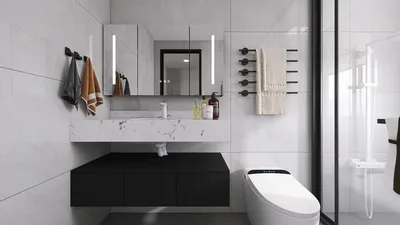
Scandinavian Minimalism roots itself in functionality, clean lines, and a muted palette focused on whites, grays, and natural wood tones. The importance of natural light shapes spatial layouts that prioritize openness and airiness. Ideal for small urban apartments or minimalist workspaces, this style hinges on clutter-free environments with multi-functional furniture and minimal decor. While Scandinavian Minimalism provides a calming refuge, some may find the aesthetic too subdued or lacking the warmth found in more colorful themes, making it less suitable for those craving lively or eclectic interiors.
Head-to-Head
| Dimension | Contemporary Tropical | Scandinavian Minimalism |
|---|---|---|
| Color Palette | Bright greens, warm earthy tones, vibrant accents | Neutral whites, soft grays, muted pastels |
| Materials | Rattan, bamboo, natural wood, textured fabrics | Light woods, metal frames, clean-lined textiles |
| Spatial Feel | Dynamic, lush, layered with patterns and texture | Open, airy, uncluttered, and minimal |
| Target Users | Lovers of nature-inspired energetic interiors, tropical vibes | Fans of simplicity, functionality, and calm environments |
How to Choose
When selecting between Contemporary Tropical and Scandinavian Minimalism, evaluate your space's natural light and size. If light floods your rooms and you desire a connection to nature’s vibrancy, Contemporary Tropical can transform your interior into an inviting paradise. Prioritize this if you enjoy patterns, textures, and a mixture of cultural motifs. Conversely, if you prefer serene, minimalist spaces that facilitate calm and focus, and are working with limited space or light, Scandinavian Minimalism offers practicality without sacrificing style. Consider lifestyle preferences—whether you enjoy visually rich environments or streamlined functionality—when deciding.
Designing the Look
If Contemporary Tropical is the direction you're drawn to, Homestyler's 'Contemporary Tropical' gives you a ready-built library to start experimenting immediately — no sourcing, no scale guesswork, just design.

Minimalist Natural Jute Area Rug 3D Model

Minimalist Vintage Ombre Forest Pattern Wall Art Decor 3D Model

Minimalist Fabric Sheer And Solid Curtain Panels 3D Model

Minimalist Rattan Hanging Egg Chair Set with Linen Cushions 3D Model

Bohemian Vintage Tassel Leather Fabric Tote Bag 3D Model

Realistic Tropical Potted Palm Tree 3D Model
FAQ
Q1: What space types best suit Contemporary Tropical and Scandinavian Minimalism respectively?
Contemporary Tropical excels in bright, spacious areas that can handle dynamic patterns and textured materials, such as sunrooms or lively living spaces. Scandinavian Minimalism fits best in compact homes or offices where natural light is valued, emphasizing open layouts and minimal clutter for clarity.
Q2: Are these styles compatible with sustainable design practices?
Both styles promote sustainability through the use of natural, renewable materials—Contemporary Tropical emphasizes natural fibers like rattan and bamboo, while Scandinavian Minimalism values durable, responsibly sourced wood and timeless minimalist design that avoids waste.
Q3: How to blend elements of both styles without causing visual clash?
Start with a Scandinavian minimalist base—neutral tones, clean lines—and introduce subtle tropical accents such as houseplants, textured cushions, or natural wood accessories. This balanced approach prevents overwhelming the space while borrowing warmth and life from the tropical aesthetic.
Homestyler's roots trace back to Autodesk, the global leader in design and engineering software. That heritage lives on in every feature we build. Today, with a community of more than 18 million users worldwide, Homestyler continues to make professional-quality interior design accessible to everyone — from first-time decorators to seasoned architects.
Homestyler's powerful 3D rendering feature brings your design concepts to life with incredible detail.
Progetta ora GRATIS
































