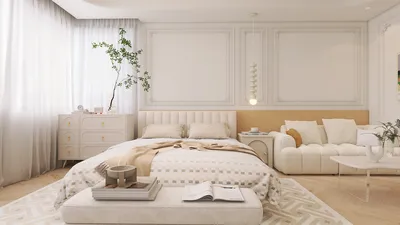


Contemporary Tropical style often struggles with proportion and cohesiveness, leading to cluttered or diluted interiors.
- Overuse of eclectic decor undermines style coherence. - Imbalanced natural and synthetic materials disrupt harmony. - Excessive color contrast creates visual chaos. - Ignoring climate-adapted elements reduces practicality. - Neglecting scale harms spatial flow.
I have encountered countless Contemporary Tropical projects where the aesthetics falter not because the elements are inherently flawed, but because the core principles of the style are misinterpreted or ignored. This style’s allure lies in marrying natural, organic vibrancy with streamlined contemporary touches. Yet, its tropical exuberance often tempts designers into over-decoration or mismatched materials, undermining the intended modern freshness.
Why It Goes Wrong
Contemporary Tropical styles slip primarily due to a failure to balance natural motifs with modern minimalism. The temptation to layer too many textures or greenery creates visual noise; meanwhile, neglecting material provenance results in spaces lacking authenticity. Finally, conflicting color schemes and improper scale distort the serene yet vibrant tropical sensibility.
Mistake 1 – The Mistake: Overloading spaces with excessive tropical decor like oversized plants, redundant patterns, and unrelated artifacts. Why It Happens: Designers equate 'tropical' with maximalism and mistakenly believe more detail equals stronger style expression. The Fix: Limit tropical accents to essential pieces that serve functional or focal purposes, capping foliage to 2-3 plants per room and choosing coordinated patterns rather than conflicting prints.
Mistake 2 – The Mistake: Mixing too many disparate materials including synthetic bamboo, cheap plastics, and unrefined woods. Why It Happens: In an effort to source affordable options, there’s a mix-and-match approach without consideration of texture harmony or durability. The Fix: Prioritize natural or high-quality composite materials that reflect tropical authenticity; balance wood grains with matte metals and natural fibers and avoid plastic imitations that break immersion.
Mistake 3 – The Mistake: Employing high contrast colors without blending resulting in jarring transitions between cool contemporary palettes and warm tropical hues. Why It Happens: Misunderstanding the color story, designers insert sharp colors to 'catch the eye' rather than fostering flow. The Fix: Use a restrained palette emphasizing green, beige, cream and natural wood tones with occasional bright accents integrated thoughtfully for continuity.
Mistake 4 – The Mistake: Overlooking climatic adaptation such as ventilation, humidity-friendly materials, or sunlight placement. Why It Happens: Focus on aesthetics overshadows environmental suitability, leading to impractical textures or vulnerable plants. The Fix: Integrate elements designed for tropical climates—breathable textiles, rot-resistant woods, and positioning greenery where natural light thrives yet prevents scorch.
Mistake 5 – The Mistake: Mismatched scale where oversized furniture and accessories drown smaller rooms or vice versa. Why It Happens: Lack of spatial analysis leads designers to select pieces based on style rather than proportional fit. The Fix: Measure room dimensions and select items that allow ample circulation with around 30-40% free floor space; choose compact contemporary furniture that complements expansive tropical plants as feature points.
Designing the Look
Homestyler’s ‘Contemporary Tropical’ offers a comprehensive set of ready-to-use 3D models specifically curated to embody this aesthetic, allowing designers to achieve authentic results with professional-grade textures and forms.

Minimalist Natural Jute Area Rug 3D Model

Contemporary Tropical-carpet/ rug


Outdoor Patio Wood Rattan Egg Porch Swing Chair Ha

Bohemian Vintage Tassel Leather Fabric Tote Bag 3D Model

Realistic Tropical Potted Palm Tree 3D Model
FAQ
Q1: How can I balance modern and tropical elements without losing style cohesion?
The key is moderation. Use natural materials like wood, stone, and organic textiles to anchor the space in tropical roots, but keep forms streamlined and furniture silhouettes simple to reflect contemporary minimalism. Avoid mixing overly ornate or period-specific pieces that clash with the sleek modern elements.
Q2: What color palette best suits Contemporary Tropical interiors?
Emphasize natural hues such as warm beige, shades of green inspired by tropical flora, and creamy whites. Incorporate these with subtle accents of coral, teal, or mustard, used sparingly to highlight rather than dominate. Maintaining a muted base ensures the space remains calm and inviting.
Q3: Are artificial tropical plants acceptable in this style?
They can be, provided they are high-quality with realistic textures. Due to the humid, bright conditions ideal for tropical interiors, some plants might struggle indoors. Select artificial plants that complement natural greenery, using them strategically in shaded or low-maintenance zones to preserve authenticity without sacrificing practicality.
Homestyler's roots trace back to Autodesk, the global leader in design and engineering software. That heritage lives on in every feature we build. Today, with a community of more than 18 million users worldwide, Homestyler continues to make professional-quality interior design accessible to everyone — from first-time decorators to seasoned architects.
Leverage Homestyler's AI-powered features to quickly generate professional interior design schemes.
Design Now for FREE
































