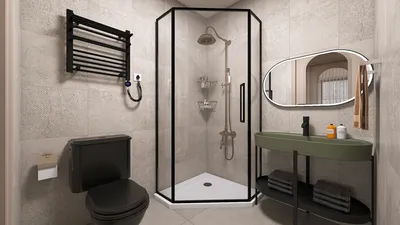


Introduction
Contemporary Tropical represents a sophisticated interplay between modern design principles and the lush vibrancy of tropical aesthetics. This style transcends mere decoration; it emerges from a philosophy that embraces both the energy of tropical environments and the clean lines of contemporary minimalism. Rooted in the desire to bring the outdoors in, Contemporary Tropical fosters balance between natural exuberance and controlled simplicity. It adapts the classic tropical palette and organic motifs to suit urban and modern living spaces without overtly exotic or clichéd elements. The essence of this style lies in integrating elements inspired by tropical climates—such as sunlight, natural textures, and lively flora—with sleek architecture and subtle detailing. It creates interiors that feel vibrant yet grounded, exotic yet refined, enabling occupants to experience a fresh, breezy ambiance within the comforts of contemporary design.
Core Elements
Color is a defining feature of Contemporary Tropical style, characterized by a carefully curated balance between vividness and subtlety. Unlike traditional tropical interiors marked by saturated hues, this style opts for vibrant yet sophisticated tones like deep emerald greens, warm ochres, and cool aquamarines blended seamlessly with neutral shades such as soft taupes, crisp whites, and muted grays. This restrained palette enhances the interplay between bold and minimalist, ensuring colors evoke the vitality of tropical landscapes without overwhelming the senses. Light plays a crucial role here; colors are selected with an awareness of natural daylight and shadow, fostering serene atmospheres that shift gracefully throughout the day. This nuanced use of tropical-inspired colors adds layers of complexity, inviting warmth and freshness into the space while maintaining modern elegance.
Materiality in Contemporary Tropical design embraces natural textures with an artisanal touch. Wood, rattan, bamboo, and jute serve as foundational elements, chosen for their authentic tactile quality and durability. These materials appear in both refined finishes and raw forms, bridging the gap between craftsmanship and modern production methods. Stone surfaces and woven fabrics complement this approach, introducing textural contrasts and visual depth. Sustainability often informs these material choices, encouraging the use of responsibly sourced and renewable components. This conscious material selection nurtures a tactile connection to nature within urban interiors. Combined with subtle metal accents—brushed brass or matte black fixtures—the material palette achieves a layered richness, blending organic warmth with contemporary sophistication.
Form and shape underpin the visual language of Contemporary Tropical interiors, marked by organic yet streamlined silhouettes. Furniture and architectural details avoid excessive ornamentation, favoring sculptural simplicity paired with fluid curves inspired by natural forms such as leaves, waves, and botanical motifs. Rounded edges and asymmetric profiles soften spatial transitions and promote a sense of calm movement. This expressive yet understated formal vocabulary enables spaces to feel open and inviting while exhibiting a distinct identity. Contrasts between angular structural lines and flowing furniture shapes highlight a harmonious tension central to the style's aesthetic. Elements like vaulted ceilings, archways, and biophilic installations integrate fluidity and airiness, dissolving barriers between indoor and outdoor experiences.
Designing the Look
Homestyler’s ‘Contemporary Tropical’ offers a comprehensive set of ready-to-use 3D models specifically curated to embody this aesthetic, allowing designers to achieve authentic results with professional-grade textures and forms. These models streamline the design process by furnishing interior professionals with versatile furniture, materials, and details that capture the nuanced essence of Contemporary Tropical style. Employing this curated toolkit facilitates coherence across projects, as it offers expert selections of key elements like rattan seating, tropical foliage motifs, and sleek structural components. Instead of relying on generalized or clichéd tropical tropes, these assets deliver elevated design language suitable for high-end residential or boutique commercial interiors. Moreover, 3D modeling accelerates client communication and spatial visualization, ensuring the atmospheric qualities of light, material contrast, and form are faithfully rendered before implementation. The ability to experiment with different color schemas, fabric textures, and organic shapes in a virtual environment empowers designers to refine and personalize concepts, fulfilling the promise of Contemporary Tropical interiors that balance spirited nature with sleek modernity.

Minimalist Natural Jute Area Rug 3D Model

Contemporary Tropical-carpet/ rug


Outdoor Patio Wood Rattan Egg Porch Swing Chair Ha

Bohemian Vintage Tassel Leather Fabric Tote Bag 3D Model

Realistic Tropical Potted Palm Tree 3D Model
FAQ
Q1: What distinguishes Contemporary Tropical from traditional tropical design?
Contemporary Tropical differentiates itself by integrating streamlined modern forms and a selective, refined color palette rather than the often exuberant or eclectic elements associated with traditional tropical interiors. It uses natural materials and motifs inspired by tropical environments but interprets them with subtlety and sophistication, focusing on balance and calmness instead of excess or overt exoticism.
Q2: How can I incorporate sustainable materials in Contemporary Tropical interiors?
This style naturally aligns with sustainability through its emphasis on natural fibers like rattan, bamboo, and jute, which should ideally be ethically sourced. Incorporating reclaimed wood, low-VOC finishes, and eco-friendly fabrics helps maintain authenticity while supporting environmental responsibility. Selecting quality artisanal craftsmanship further supports longevity and reduces waste, key principles for sustainable interior design.
Q3: What lighting strategies complement Contemporary Tropical spaces?
Lighting in Contemporary Tropical design should enhance natural daylight and support organic shapes within the space. Use diffused ambient lighting to create softness, combined with accent lights highlighting textural materials or architectural features. Natural materials for lamp shades or fixtures, such as woven fibers or frosted glass, strengthen the connection to the tropical aesthetic while preserving contemporary simplicity.
Homestyler's roots trace back to Autodesk, the global leader in design and engineering software. That heritage lives on in every feature we build. Today, with a community of more than 18 million users worldwide, Homestyler continues to make professional-quality interior design accessible to everyone — from first-time decorators to seasoned architects.
Leverage Homestyler's AI-powered features to quickly generate professional interior design schemes.
Desain sekarang Gratis
































