


The Contemporary Stateside style confronts the challenge of harmonizing clean, sleek modernism with the warmth and familiarity of classic American interiors. The core design dilemma lies in integrating minimalist principles—such as simplicity, open space, and functionality—with elements that evoke comfort, livability, and regional character without clutter or pastiche. Achieving this balance demands rigorous editing of furnishings and materials to prevent the room from feeling too stark, while ensuring the overall aesthetic remains fresh and refined rather than overly traditional or rustic. This style relies heavily on disciplined attention to proportion and scale, where furniture choices are thoughtfully curated for both comfort and visual impact. Surfaces and color palettes are carefully layered to produce a soothing yet engaging atmosphere, often leveraging muted tones punctuated by subtle accents. Textures play a vital role, combining smooth, modern finishes with tactile fabrics that invite touch and soften the eyes. Another design challenge is lighting: integrating both natural and artificial sources to create depth without overwhelming the simplicity of each space. Effective lighting amplifies architectural features and art, rather than competing with them. Ultimately, the Contemporary Stateside look is about creating rooms that feel welcoming yet intentional—a modern American interior where every element appears effortless but deliberate.
Layout Logic — Spatial Proportion and Furniture Arrangement
To master the layout principles of Contemporary Stateside interiors, begin by embracing open spatial relationships that allow each piece of furniture room to breathe. Prioritize a balanced arrangement where no single element dominates visually. Clean lines and geometric shapes should be mirrored in furniture grouping to create harmony. Start with the focal point, which might be a contemporary sofa or an accent chair, and arrange other seating or tables in proportion to it, ensuring clear circulation paths. Avoid overcrowding seating zones; instead, leave visual breaks with side tables or low-profile shelving that sit flush against walls. Utilizing modular pieces can also help accommodate flexibility without losing style coherence. Scale is critical: opt for medium-sized furnishings that echo modern simplicity but offer enough presence to anchor the room. Large-scale furniture can look overwhelming and contradict the streamlined ethos, while overly small items risk feeling insignificant. In multi-functional spaces, use rugs and lighting to delineate zones without erecting physical barriers, maintaining a flow that feels natural and inviting. Storage should be largely concealed or minimalist to support clean surfaces and focus attention on form and texture. Each item's relation to the room dimensions must be precise—measurements should confirm each piece contributes to an overall balance between openness and intimacy typical of Contemporary Stateside design.
Lighting and Color — Tone Selection and Light Source Pairing
Color palettes in Contemporary Stateside interiors lean towards neutral bases: soft greys, warm whites, earthy taupes, and muted blues serve as the canvas. These hues invite calmness and provide versatility for accent colors to emerge subtly. Introduce layered lighting to sculpt the space. Ambient light, sourced from recessed ceiling fixtures or sleek pendant lamps, establishes a uniform illumination field. Accent lighting—spotlights or directional sconces—should highlight textures or artwork without glare or harsh shadows. Natural light is maximized through unobtrusive window treatments that blur the boundary between interior and exterior, bringing in warmth and enhancing spatial perception. When designing artificial lighting, choose fixtures with matte or brushed finishes that tie to the broader material palette without drawing excessive attention. Implement dimmers across lighting circuits to allow customized moods depending on time of day or activity. For color temperature, lean towards warmer LEDs around 2700K–3000K to maintain a cozy atmosphere without undermining the contemporary clarity. Textural variation in finishes—from matte walls to reflective surfaces like glass or metal—works in tandem with light to create visual interest. It is this interplay that prevents the otherwise restrained palette from becoming flat.
Finishing Touches — Small Scale Models Elevate Overall Quality
The role of decorative objects in Contemporary Stateside interiors is subtle yet decisive. Select accessories that articulate simplicity and craftsmanship, such as handcrafted ceramics, sculptural vases, or artisanal bowls. These should complement rather than compete with larger furnishings. Textile accents—plush throw pillows, woven blankets, or area rugs—introduce tactile comfort while reinforcing the color scheme. Opt for natural fibers like wool, linen, or cotton to enhance authenticity. Artwork and small sculptures should be chosen for their ability to connect with the room’s mood without overwhelming the senses. Think minimal, abstract works or black-and-white photography. Greenery in the form of structural plants or fresh flowers injects life and color, grounding the interior in nature without disrupting its refined aesthetic. Deliberate restraint is key: avoid clutter by limiting accessory quantities and focusing on pieces that add narrative depth or accentuate the spatial rhythm. Quality over quantity ensures these details contribute genuine character and an elevated sense of intimacy.
Designing the Look
For designers working in Homestyler, the Contemporary Stateside is a practical shortcut to authenticity. It removes the guesswork from sourcing — every piece is pre-matched in scale, material, and proportion to deliver a coherent Contemporary American result.

Modern Brown Leather Upholstered King Size Bed 3D Model

28.75" Modern Table Lamps Set of 2, Gold Bedside

Vintage Framed Classic Car Art Print 3D Model
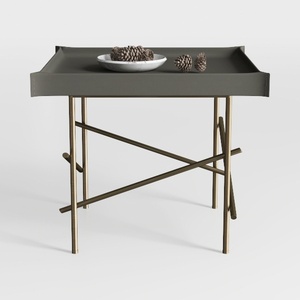
Modern Minimalist Metal and Matte Top Side Table 3D Model
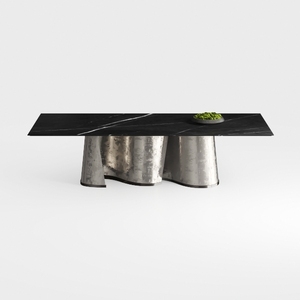
Modern Black Marble Top Metal Base Dining Table 3D Model

Modern Minimalist Solid Wood Bookshelf Cabinet with Display Shelves 3D Model
FAQ
Q: How can I ensure furniture proportions suit a medium-sized living space in Contemporary Stateside style?
Start by measuring the room carefully and choosing furniture that leaves at least 24 inches for circulation around seating areas. Select medium-scale sofas (about 80-90 inches long) paired with slim-profile chairs and low, rectangular coffee tables. Avoid bulky pieces with heavy ornamentation. Confirm that all furniture maintains clear sightlines within the room for an open yet cozy feel.
Q: What lighting fixtures best support layered light in this style without detracting from simplicity?
Opt for recessed LED downlights to provide even ambient lighting combined with adjustable track lights or wall-mounted picture lights for flexible accenting. Floating pendant lamps with matte or brushed metallic finishes offer subtle focal points above dining or coffee tables. Avoid ornate chandeliers or overly decorative fixtures to maintain the minimalist ethos.
Q: How to incorporate color accents without disrupting the neutral Contemporary Stateside palette?
Use accent pieces such as cushions, throws, or small ceramic objects in muted blues, deep greens, or burnt orange paired with natural textures. Accents should be limited to small collections rather than large-scale painted surfaces to preserve calmness. Introducing accents through art or plants also allows reversible updates that keep the space fresh.
Built on technology originally developed at Autodesk, Homestyler empowers anyone to design beautiful, realistic spaces in minutes. Join over 18 million users who have already discovered a smarter way to plan, visualize, and bring their dream homes to life — all from the comfort of a browser.
Homestyler is a professional interior design software that helps users effortlessly create their dream home.
Дизайн сейчас бесплатно
































