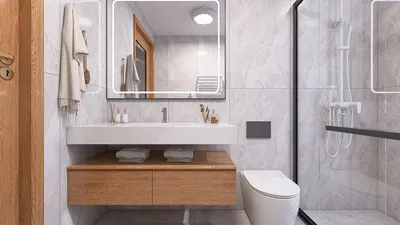


The Coastal Retreat style confronts the delicate balance between evoking the refreshing essence of the seaside and maintaining functional, inviting interiors. The core design challenge stems from the need to harmonize natural elements—such as light, texture, and color—without succumbing to clichés or overcrowding the space. Incorporating raw, organic materials and subdued color palettes reminiscent of sand, sea, and sky requires restraint and precision. Overuse of nautical motifs or overly bright blues can lead to kitsch rather than tranquility. Instead, the strategy lies in integrating calm tones with textural layers that invite tactile engagement, such as linen, weathered wood, and woven fibers. This suggests not only the visual but also sensory experience of a coastal environment. Equally crucial is balancing openness with comfort; Coastal Retreat demands airy, open space but also cozy zones that encourage relaxation. Achieving this involves thoughtful spatial planning to optimize flow and natural light while creating differentiated seating or lounging areas. The challenge is heightened by integrating modern livability without diluting the casual, unpretentious spirit distinctive to coastal homes. Maintaining this delicate equilibrium challenges designers to be disciplined with material selection and spatial organization, favoring subtle variations over overt declarations. The Coastal Retreat style is essentially about quiet sophistication—conveying a lifestyle harmoniously connected to nature’s rhythms, anchored by comfort and simplicity.
Step 1: Layout Logic — Spatial Proportions and Furniture Placement
Spatial layout in Coastal Retreat interiors must prioritize openness while defining intimate zones. Start by mapping the natural flow of the room to avoid obstructing pathways and maximize views of any outdoor elements, like garden or water features. Opt for low-profile furniture with clean, streamlined silhouettes constructed from natural materials such as light woods or rattan, which blend seamlessly into the relaxed coastal vibe. Position seating pieces to encourage social interaction without overcrowding; a sectional sofa paired with a pair of armchairs can create a welcoming conversation nook. Incorporate modular or multi-functional elements to adapt to changing needs yet maintain fluidity. Scale furniture according to room dimensions—oversized pieces can overwhelm and disrupt the airy aesthetic, while too-small furniture may feel lost. Area rugs crafted from natural fibers like jute or sisal help delineate zones without visual heaviness. Reserve space near windows or balcony doors for loungers or chaise longues to capture breezes and natural light. Integrating built-in storage elements maintains clutter-free surfaces, vital for the minimalistic approach. Avoid symmetry rigidity; instead, use asymmetrical groupings to generate casual, approachable arrangements. Pay special attention to balance between soft furnishings and solid elements, ensuring that no corner feels either too dense or empty. This sensitivity to proportion and placement fosters a seamless transition between indoor comfort and outdoor serenity inherent in the Coastal Retreat ethos.
Step 2: Light and Color — Tone Selection and Light Source Coordination
Light forms the cornerstone of Coastal Retreat interiors, so let natural illumination dominate wherever possible. Choose window treatments like linen curtains or woven blinds that filter light subtly instead of blocking it, preserving a soft, diffused glow throughout the day. When artificial lighting is necessary, select warm color-temperature bulbs to emulate natural sunlight without harshness. Layer lighting with a combination of downlights, sconces, and floor lamps to create depth while maintaining warmth. Use light fixtures crafted from materials like rattan, cork, or distressed metal to complement the organic aesthetic. The color palette should evoke beachside calm with a foundation of off-white or sandy beige walls, accented by earthy blues, soft greens, and muted terracottas. Avoid saturated or glossy finishes; instead, opt for matte or slightly textured paints to reinforce the natural feeling. Integrate natural textures such as driftwood or sea glass in accessories to subtly reflect light and add dimension. Consider using light-colored wood flooring or weathered stone tiles to bounce light across the space and reinforce the airy ambiance. Experiment with layering sheer fabrics and greenery to filter and soften sunlight naturally, enhancing the tranquil atmosphere. This precise orchestration of light and color creates an immersive environment evocative of coastal living without relying on overt seaside motifs.
Step 3: Finishing Touches — Small Models Enhancing Overall Quality
The appeal of Coastal Retreat rests heavily on carefully curated details that impart authenticity and tactile interest. Incorporate small decorative elements such as woven baskets, nautical rope accents, or handcrafted pottery to add layers of texture and craftsmanship. Introduce sculptural objects inspired by organic forms—coral-shaped vases or driftwood sculptures—to subtly echo coastal naturalism without cliché. Select cushions and throws knitted or woven from linen and cotton in muted patterns to enrich textiles without overwhelming color harmony. Use plants native to coastal areas such as succulents or ferns in simple terracotta pots to infuse green vitality while keeping decor grounded. Integrate vintage or reclaimed materials in picture frames, mirrors, or side tables to introduce character and history. Layer these small-scale details strategically—too many collectibles can sabotage the minimal ethos, but a few well-placed items create visual focus and warmth. Purposefully place items on open shelving or console tables rather than crowd surfaces, allowing air and light to flow unimpeded. This nuanced approach to finishing elevates the entire space, reinforcing the elegantly relaxed Coastal Retreat identity.
Designing the Look
For designers working in Homestyler, the Coastal Retreat is a practical shortcut to authenticity. It removes the guesswork from sourcing — every piece is pre-matched in scale, material, and proportion to deliver a coherent Coastal Retreat result.

Minimalist Velvet Navy Blue Armchair Cozy Living Room 3D Model

Mid Century Modern Fabric Armchair with Solid Wood Legs 3D Model

Natural Woven Rattan Storage Basket Decorative Home Organizer 3D Model

Modern Blue Velvet Tufted L Shape Sectional Sofa 3D Model

Minimalist Neutral Woven Area Rug 3D Model

Modern Velvet Upholstered King Size Bed With Tufted Navy Blue Headboard 3D Model
FAQ
Q1: How can I avoid clutter while incorporating meaningful coastal décor?
Start by selecting a limited palette of coastal-inspired accessories that evoke natural textures and forms without overcrowding. Use open shelving to display curated items sparingly, and opt for functional décor such as woven baskets that double as storage. This approach maintains airiness and focus.
Q2: What is the best way to balance natural and artificial light in windowless coastal rooms?
Employ warm-toned LED lights layered at different heights—recessed ceiling lights combined with floor and table lamps using rattan shades introduce warmth and texture. Simulate natural light by painting walls in light neutrals with slight reflectivity, and incorporate mirrors to amplify artificial illumination.
Q3: How do I choose furniture proportions suitable for small Coastal Retreat spaces?
Confirm room dimensions first, then select low-profile, streamlined furniture that maintains sightlines and room flow. Multipurpose pieces with built-in storage reduce bulk. Lighter materials and colors will make furniture feel less imposing, preserving openness.
Built on technology originally developed at Autodesk, Homestyler empowers anyone to design beautiful, realistic spaces in minutes. Join over 18 million users who have already discovered a smarter way to plan, visualize, and bring their dream homes to life — all from the comfort of a browser.
With Homestyler, you can design and visualize your living spaces online with stunning, realistic results.
تصميم الآن مجانا
































