

Conclusion
Classic Continental and Modern Scandinavian styles represent two distinct interior design philosophies that often appeal to different tastes and lifestyles. Classic Continental draws from rich European tradition with ornate details and timeless elegance, whereas Modern Scandinavian champions simplicity, functionality, and natural brightness. Choosing between them involves considering your preference for decorative complexity versus minimalism, the ambiance you want to create, and how your space and daily living habits align with these aesthetics.
Classic Continental Deep Dive
Classic Continental interiors express a refined elegance rooted in European heritage, emphasizing detailed craftsmanship, luxurious materials, and balanced symmetry. Core characteristics include ornate moldings, carved wood furnishings, deep and warm color palettes—think rich burgundy, forest green, and gold accents—and traditional textiles like damasks and velvets. This style thrives in formal living areas, grand dining rooms, and classical libraries where an air of sophistication and historical continuity is desired. The limitations arise with its penchant for visual heaviness, which can overwhelm smaller rooms or clash with casual lifestyles that favor simplicity and practicality.
Modern Scandinavian Deep Dive
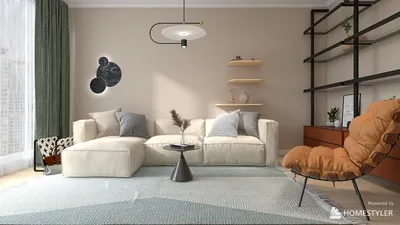
Modern Scandinavian design focuses on minimalism fused with warmth through natural materials and light color schemes. Its defining traits are clean lines, uncluttered layouts, functional furniture, and the extensive use of whites, light grays, and soft pastels paired with wood tones. Suitable for compact urban apartments, contemporary homes, and anyone who values light, airiness, and practicality, this style invites an atmosphere of calm and connection to nature. However, its simplicity might feel too stark or impersonal to those who desire more ornamentation and historic gravitas.
Head-to-Head
| Dimension | Classic Continental | Modern Scandinavian | |--------------|-------------------------------------|---------------------------------------------| | Color | Deep, rich hues like burgundy, gold | Light, neutral shades: whites, soft grays | | Material | Velvet, damask, carved wood | Light woods, wool, cotton, matte finishes | | Space Sense | Emphasizes symmetry and formality | Open layouts with airy, straightforward flow | | Audience | Lovers of tradition and ornate detail| Those preferring minimalism and function |
How to Choose
Consider the scale and natural lighting of your space. For large rooms with high ceilings and a propensity for formality, Classic Continental brings a majestic presence. Choose it if you have a preference for luxury and historic richness. For smaller, sunlit spaces or if you seek a relaxed, clean aesthetic fitting modern living or eco-conscious sensibilities, Modern Scandinavian offers a practical yet stylish solution. Additionally, assess your lifestyle: if you prefer low-maintenance interiors with flexible functionality, Scandinavian simplicity serves well; if you cherish curated interiors with conversation-starting details, Classic Continental suits perfectly.
Designing the Look
If Classic Continental is the direction you're drawn to, Homestyler's 'Classic Continental' gives you a ready-built library to start experimenting immediately — no sourcing, no scale guesswork, just design.

Vintage Pattern Fabric Upholstered X Frame Ottoman 3D Model

TV cabinet-Classic Continental

Vintage French Carved Solid Wood Storage Cabinet 3D Model

French Vintage White Solid Wood Sideboard Cabinet with Brass Hardware 3D Model

French Style Solid Wood Glass Corner Display Cabinet 3D Model

French Style White Solid Wood Display Cabinet With Drawers 3D Model
FAQ
Q1: How can Classic Continental balance with modern elements without losing its identity?
Integrate subtle modern furnishings or lighting fixtures with clean lines into primarily traditional rooms to create dialogue between eras, ensuring that classic moldings and textiles remain focal points to preserve identity.
Q2: Is Modern Scandinavian suitable for families with children?
Yes, its durable natural materials and uncluttered environments promote safety and easy upkeep, though softer textures and tactile elements can be added to enhance comfort for kids.
Q3: Can these two styles be merged in an open-concept home?
Yes, by zoning spaces with Classic Continental features in formal areas and Modern Scandinavian in casual zones, transitions can be softened by shared color palettes or complementary materials.
Homestyler's roots trace back to Autodesk, the global leader in design and engineering software. That heritage lives on in every feature we build. Today, with a community of more than 18 million users worldwide, Homestyler continues to make professional-quality interior design accessible to everyone — from first-time decorators to seasoned architects.
Homestyler has millions of users worldwide, making it one of the most popular online home design platforms.
Design Now for FREE
































