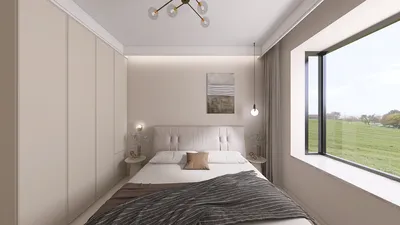


Classic Continental Style Defined The Classic Continental style embraces a sophisticated blend of historical European influences, merging regal aesthetics with subtle modern nuances. Rooted deeply in the aristocratic traditions of the 18th and 19th centuries, this style expresses itself through balanced formality and graceful restraint. It values symmetry, proportion, and the thoughtful use of ornamentation to communicate a quiet grandeur without overpowering the space. The philosophy driving this design ethos hinges on the harmonious dialogue between past and present — respecting time-honored motifs while integrating contemporary comfort and function. This manifests in an interior that feels both grounded in tradition and relevant today. The Classic Continental aesthetic cultivates an atmosphere of cultivated refinement, where every piece serves a purpose beyond utility; it is an artifact of taste and cultural heritage. Interpreted through muted palettes interlaced with rich accents, the style invites a visual narrative that flows seamlessly within historical and modern contexts. It favors subdued elegance over flamboyance, focusing on the subtle power of line, texture, and form to establish presence. Within this style, spaces become sanctuaries that capture the grace of grand European salons without sacrificing modern sensibilities. The interplay of classic furniture silhouettes, intricate woodwork, and restrained decorative details signals a reverence for craftsmanship. The result is a timeless environment where fine living meets understated glamour, ultimately fostering both comfort and cultural storytelling.
Color Palette Characteristic of Classic Continental A defining feature of the Classic Continental style is its carefully curated color palette that balances warmth with restraint. The scheme typically revolves around soft neutrals such as warm creams, ivory whites, and gentle beiges, which lay the foundation for a serene, inviting atmosphere. These base colors provide a subtle backdrop that allows more dramatic, luxurious accent hues to gracefully emerge without overwhelming the senses. Deep, rich tones such as royal blues, sumptuous burgundies, and muted forest greens are often employed to punctuate the space. These colors evoke a sense of heritage and sophistication, historically associated with aristocratic interiors, and are used strategically on key upholstery, wall textiles, or accent furniture pieces. The restrained use of gold and bronze metallics in lighting fixtures, frames, and hardware adds warmth and a touch of opulence, reminiscent of gilded European interiors. Moreover, the palette favors matte and chalky finishes over glossy ones, emphasizing texture and depth rather than flashiness. This approach results in a nuanced layering of color that feels organic and evolved over time, as if the interior has aged gracefully while maintaining its dignified elegance. The Classic Continental palette thus embodies a visual harmony between calm neutrality and rich heritage tones, enhancing the overall sense of refined comfort within the home.
Materiality in Classic Continental Interiors The material choices in Classic Continental interiors speak to a commitment to craftsmanship and durable beauty. Fine woods such as walnut, mahogany, and cherry are predominantly featured, their luxurious grain patterns and warm hues used to create furniture, paneling, and intricate moldings that anchor the space historically and visually. The emphasis on high-quality solid wood construction reinforces the style’s association with longevity and tradition. Textiles play an equally important role, with sumptuous velvet, damask, and brocade fabrics providing tactile richness and visual interest. Upholstery often features intricate patterns inspired by botanical motifs or classical arches, carefully woven in muted or jewel tones. Linens and cottons with subtle stripes or damask prints coordinate with heavier drapery fabrics, creating a layered textile experience that contrasts softness with structural refinement. Stone surfaces such as marble, especially in polished white or soft grey hues, frequently appear on floors, tabletops, or mantelpieces, contributing to the space’s stately air. Complementary metal finishes in aged brass or brushed gold are integrated through lighting and decorative accessories, fostering an authentic antique feel. The nuanced interplay between wood, fabric, stone, and metal generates a tactile depth fundamental to Classic Continental, inviting both visual admiration and physical engagement within the environment.
Forms and Silhouettes: The Art of Subtle Grandeur The Classic Continental style revels in furniture and architectural forms that evoke grandeur without ostentation. This is achieved through balanced symmetry, elegant curves, and refined detailing rather than overwhelming ornamentation. Chairs and sofas feature gently sculpted frames with cabriole legs and carved accents, reminiscent of Louis XV and XVI designs but rendered in a softer, less exaggerated manner to suit contemporary living. Tables and cabinetry embrace clean, proportional lines with subtle molding, avoiding excessive carving that might distract from their inherent elegance. The silhouette language favors harmony: pieces relate thoughtfully to one another in scale and style, encouraging a seamless flow throughout the room. Archways and paneling incorporate classical motifs such as fluted pilasters or carved friezes, applied with restraint to maintain tranquility rather than theatricality. Lighting fixtures like chandeliers and sconces also reflect civic pride in craftsmanship and timeless beauty, often utilizing crystal, bronze, or brass elements that complement the finer furniture components. This synthesis of traditional form with graceful detailing results in interiors that feel dignified, warm, and intimately connected to European heritage without descending into pastiche. It celebrates proportion and rhythm as tools for storytelling within the modern Classic Continental home.
Homestyler’s ‘Classic Continental’ offers a comprehensive set of ready-to-use 3D models specifically curated to embody this aesthetic, allowing designers to achieve authentic results with professional-grade textures and forms. Utilizing these meticulously crafted models transforms the design process into an exercise in precision and authenticity. Interior professionals can experiment with combinations of historically inspired furniture, carefully selected color palettes, and appropriate materials within a virtual space, ensuring that spatial relationships and lighting effects echo the grace of genuine Classic Continental interiors. These models facilitate a hands-on understanding of how subtle variations in texture, hue, and silhouette influence the overall ambiance. They also allow for effortless adaptation to modern living requirements while preserving the style’s timeless elegance. From virtual prototypes to client presentations, relying on this resource can significantly streamline workflows by offering immediate access to expertly designed components. Furthermore, the integration of these models encourages educational exploration — designers can dissect how specific elements contribute to the balanced harmony that defines the style, making it an invaluable tool beyond mere visualization. This practical approach bridges historic rootedness with contemporary demands, embodying the Classic Continental philosophy in both concept and execution.

Vintage Pattern Fabric Upholstered X Frame Ottoman 3D Model

TV cabinet-Classic Continental

Vintage French Carved Solid Wood Storage Cabinet 3D Model

French Vintage White Solid Wood Sideboard Cabinet with Brass Hardware 3D Model

French Style Solid Wood Glass Corner Display Cabinet 3D Model

French Style White Solid Wood Display Cabinet With Drawers 3D Model
Q: What distinguishes Classic Continental style from other European traditional designs?
Classic Continental style distinguishes itself through its balance of refined formality with tasteful restraint. Unlike more ornate Baroque or Rococo styles, it focuses on symmetry, proportion, and subtle detailing inspired chiefly by 18th and 19th-century aristocratic interiors. Its emphasis lies in harmonizing historical motifs with contemporary functionality, favoring elegance and heritage tones over flamboyant ornamentation.
Q: Which color schemes best represent the classic continental aesthetic?
The ideal color palette incorporates warm neutrals like creams and ivories as a foundation, accented with deep hues such as royal blue, burgundy, and muted forest green. Metallic touches in gold or bronze add warmth and luxury while maintaining a matte or chalky finish to emphasize texture rather than gloss. This restrained yet rich palette reflects the style’s heritage and calm sophistication.
Q: How can modern homes effectively incorporate Classic Continental interior principles?
Modern homes can integrate Classic Continental principles by embracing quality materials like solid wood and luxurious textiles, selecting furniture with balanced, elegant silhouettes, and maintaining a subdued yet rich color palette. Incorporating classical architectural details selectively and layering textures can reconcile historic character with contemporary comfort, creating timeless interiors that feel both authentic and livable.
Homestyler's roots trace back to Autodesk, the global leader in design and engineering software. That heritage lives on in every feature we build. Today, with a community of more than 18 million users worldwide, Homestyler continues to make professional-quality interior design accessible to everyone — from first-time decorators to seasoned architects.
Homestyler's powerful 3D rendering feature brings your design concepts to life with incredible detail.
Design Now for FREE
































