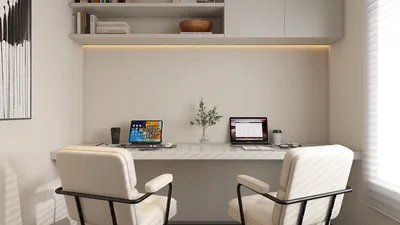


The defining challenge of Classic Continental interiors lies in balancing timeless sophistication with cozy warmth while maintaining meticulous proportional harmony. This style marries the grandeur of European traditional design with the subtlety of restrained modern sensibility, making spatial planning and material selection critical. Unlike purely ornate styles, Classic Continental demands a refined execution where every piece complements another without overwhelming the senses or disturbing visual flow. Achieving this balance requires an astute understanding of spatial relationships, layered textures, and color interactions. The key difficulty is integrating grand architectural elements like moldings or cornices with intimate furnishings to create a cohesive whole that feels both stately and inviting. Designers must navigate the fine line between luxury and livability, ensuring that functional furniture placements respect the scale of voluminous interiors without creating coldness. Additionally, choosing finishes and décor involves harmonizing rich materials such as marble, wood, and metals with fabrics in muted palettes to preserve elegance without excess. The ambition is to draw occupants into a quietly refined atmosphere where classical motifs resonate without overpowering contemporary comforts. This careful choreography of proportion, color, and decor highlights the underlying ethos of Classic Continental: timeless quality conceived through precise, thoughtful design decisions to craft interiors that withstand passing trends and truly enchant.
Step 1: Layout Logic — Spatial Proportion and Furniture Placement
Arranging furniture within a Classic Continental interior demands instinctive spatial awareness combined with adherence to classical scale principles. Begin by defining circulation paths that respect the room’s natural flow, avoiding overcrowding in dominant areas like living rooms or dining chambers. Anchor larger pieces – such as sofas or dining tables – centrally within the space to establish equilibrium. For instance, in a formal living area, parallel placements of matching armchairs facing a carved wooden coffee table create symmetry and foster conversation. Use rugs as spatial delimiters, ensuring their size fully accommodates furniture legs to unify groupings effectively. Opt for furniture with elegant, slender profiles crafted from high-quality woods or metals to complement architectural details without adding bulk. Incorporate built-in or freestanding storage that supports function yet echoes ornamental motifs such as fluted pilasters or classical moldings. Consider ceiling height critically: for rooms with generous vertical space, tall-backed chairs or grand, arched mirrors enhance vertical movement, creating resonance between furnishings and structure. Conversely, lower ceilings benefit from more delicate pieces to prevent stifling the room’s openness. Every placement should create visual balance; side tables must align proportionally to seating heights, and lighting fixtures are tailored to avoid glare or excessive shadows, reinforcing harmony in the environment.
Step 2: Light and Color — Tone Selection and Lighting Coordination
Color palettes in Classic Continental interiors are understated yet rich, favoring shades such as warm ivory, muted taupe, soft grays, and subtle gold accents to evoke an elegant patina of age and refinement. Walls typically feature neutral hues applied with smooth, matte finishes or subtle texture to act as serene backdrops for furnishings. Incorporate accent colors sparingly through artwork, drapery, or upholstery in deep blues, burgundy, or forest green, adding depth without overpowering spatial serenity. Lighting plays a pivotal role: layered illumination combining ambient, task, and accent sources enhances the architectural detailing and mood balance. Classic chandeliers with crystal or brass elements provide ambient glow, reflecting traditional craftsmanship. Supplement with wall sconces and table lamps featuring fabric shades to soften edges and add warmth. Utilize natural light dynamically; window treatments such as lightweight silks or linen sheers allow subtle light diffusion while maintaining privacy. Employ dimmer switches to provide control over ambiance, adaptable to time of day or access needs. The goal is a seamless interplay of natural and artificial light tuned to enrich textures and colors, achieving timeless sophistication in atmosphere.
Step 3: Finishing Touches — Small-scale Models Elevating Overall Texture
Strategically selected decorative accessories are vital for punctuating the Classic Continental aesthetic with authenticity and personality. Sculptural vases, porcelain figurines, and wrought iron candleholders reinforce traditional craft values while lending sculptural interest. Tabletop books with leather bindings and antique clocks contribute narrative layers, suggesting cultural depth. Mirror frames, picture frames, and decorative trays in gilded or patinated finishes enhance textural richness. Incorporate textiles carefully through throw pillows and drapes in silk, velvet, or brocade that engage tactile senses and visual warmth. Indoor plants in classic ceramic pots can invigorate corners with subtle organic contrasts. The scale of these items must remain modest to preserve balance—avoid oversized elements that disrupt spatial harmony or visual focus. Group accessories thoughtfully; arrangements that cluster related pieces together create intentional vignettes without clutter. Attention to detail in finishing and materials ensures these small accents reinforce, rather than detract from, overarching style cohesion.
Designing the Look
For designers working in Homestyler, the Classic Continental is a practical shortcut to authenticity. It removes the guesswork from sourcing — every piece is pre-matched in scale, material, and proportion to deliver a coherent Classic Continental result.

Vintage Pattern Fabric Upholstered X Frame Ottoman 3D Model

TV cabinet-Classic Continental

Vintage French Carved Solid Wood Storage Cabinet 3D Model

French Vintage White Solid Wood Sideboard Cabinet with Brass Hardware 3D Model

French Style Solid Wood Glass Corner Display Cabinet 3D Model

French Style White Solid Wood Display Cabinet With Drawers 3D Model
FAQ
Q: How can I ensure furniture scale fits perfectly within a Classic Continental room?
Measure your space carefully to know the exact dimensions available. Use classical proportion rules, such as the golden ratio, to guide sizing of key pieces. Choose furniture with elegant lines and avoid bulky or overly modern shapes. Homestyler’s Classic Continental models facilitate correct scale matching.
Q: What lighting strategies work best to enhance the warmth without overpowering detail?
Layer lighting sources to mix warm ambient chandeliers with directed task lamps and soft wall sconces. Incorporate dimmers to adapt light intensity. Avoid harsh fluorescents or cool daylight that can flatten textures. Utilize fabric shades and candle-style bulbs for softness.
Q: How do I select and arrange accent decor to maintain balance in the design?
Pick accessories that reflect traditional craftsmanship and natural materials, but keep groupings small and deliberate to avoid cluttering. Place items in clusters of odd numbers (three or five) to draw visual interest, while ensuring scale harmony with surrounding furniture and architectural details.
Built on technology originally developed at Autodesk, Homestyler empowers anyone to design beautiful, realistic spaces in minutes. Join over 18 million users who have already discovered a smarter way to plan, visualize, and bring their dream homes to life — all from the comfort of a browser.
Homestyler has millions of users worldwide, making it one of the most popular online home design platforms.
Дизайн сейчас бесплатно
































