

Introduction
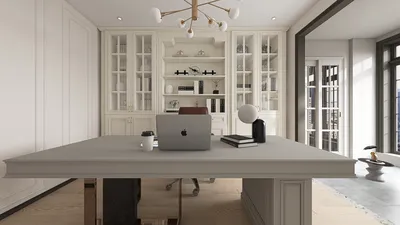
Brooklyn Loft style encapsulates a distinctive aesthetic born from the revitalization of urban warehouse spaces into living environments marked by rawness and sophistication. Emerging from the industrial transformation of Brooklyn, this design philosophy embraces an unrefined authenticity that juxtaposes exposed structural elements with contemporary urban elegance. It champions spaciousness, functionality, and a deliberate display of materiality that refuses to hide imperfections. The essence lies in celebrating the history embedded within brick walls, steel beams, and weathered surfaces while introducing modern comforts and minimalist sensibilities. Unlike conventional interiors cloaked in ornamentation, Brooklyn Loft holds a stark, honest dialogue between past industrial grit and present-day refined living. The style’s philosophical roots stem from valuing repurposing and adaptive reuse, converting industrial shells into inviting yet rugged homes without erasing their lineage. This blend creates a spatial narrative where every visible material and form communicates an industrious history transformed through creative reinterpretation. By integrating utilitarian design with a curated sense of warmth, Brooklyn Loft achieves a dynamic visual tension—a core aspect that informs every decision within the style’s vocabulary. Through this sensibility, spaces become vibrant yet grounded, inviting occupants to experience what it means to inhabit history reimagined with contemporary relevance.
Core Elements
The Brooklyn Loft style revolves around three fundamental visual components, each lending itself to crafting spaces that channel industrial heritage infused with modern sophistication.
1. Color Palette: Brooklyn Loft interiors wield a restrained urban palette dominated by neutrals and earthy tones. Shades of gray and charcoal, reminiscent of steel and concrete, provide a foundational backdrop, while exposed red and brown brick surfaces punctuate warmth and historical depth. Accents of black metal and muted whites introduce contrast without overwhelming the overall scheme, sustaining an atmosphere of understated rawness. This palette forgoes bright colors, opting instead for subtle tonal variations to emphasize texture and form over decoration. The result is a cohesive chromatic narrative that highlights material authenticity and architectural storytelling.
2. Materiality: The unifying tactile element within Brooklyn Loft style is its uncompromising material honesty. Exposed brick walls with evident mortar joints speak of age and original construction. Weathered timber beams and flooring reveal natural grain and distress marks, contributing a handcrafted character. Industrial steel frames, often left unpainted or with a raw patina, reinforce structural clarity. Concrete countertops and unfinished plaster surfaces emphasize functionality coupled with simplicity. These materials are layered without concealment, allowing imperfections and signs of wear to become celebrated design features rather than flaws. This authentic engagement with surface texture produces an immersive sensory experience of space.
3. Form and Space: Architecturally, Brooklyn Loft style is distinguished by open floor plans and volumetric expansiveness that echo its industrial origins. High ceilings create vertical drama, often framed by exposed ductwork and piping. Large factory-style windows introduce generous daylight while maintaining grid-like metal patterns. Furniture and built-in elements focus on geometric clarity with angular lines and minimal ornamentation. Rough-edged metal and reclaimed wood blend functionality with visual weight, creating a balance between solidity and airiness. This structural honesty invites fluid movement throughout interiors, blending living, dining, and working areas seamlessly to support versatile urban lifestyles.
Designing the Look
Homestyler’s ‘Brooklyn Loft’ offers a comprehensive set of ready-to-use 3D models specifically curated to embody this aesthetic, allowing designers to achieve authentic results with professional-grade textures and forms. This model package is invaluable for architects and interior designers who aim to recreate the layered complexity inherent in Brooklyn Loft spaces without starting from scratch. Incorporating these models can accelerate the design process by providing detailed brick wall assemblies, industrial lighting fixtures, and reclaimed wood furniture that precisely reflect the style’s core visual language. Furthermore, the textures applied to these models carry realistic wear patterns and material nuances that convey the tactile richness essential to the loft’s character. By leveraging this curated toolkit, professionals can experiment with spatial layouts that respect openness and volume while adding depth through material contrasts. It also aids in client presentations by delivering immersive visualizations that communicate not just form but atmosphere. The integration of authentic industrial components with contemporary urban furnishings featured in the package supports flexible adaptations, whether designing residential lofts or vibrant commercial spaces. These assets thereby facilitate both conceptual exploration and rigorous detailing, bridging historic authenticity and modern usability in Brooklyn-inspired environments.

Modern Solid Wood Black Metal Home Office Desk With Storage Shelves 3D Model

Natural Solid Wood Firewood Stack 3D Model

Realistic Bengal Cat Animal 3D Model

Industrial Solid Wood Rattan Hanging Wall Shelf 3D Model

Minimalist Black Marble Floating Shelf Decor 3D Model
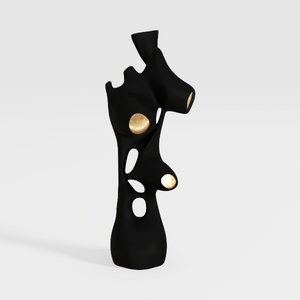
Minimalist Black Resin Abstract Sculpture Floor Decor 3D Model
FAQ
Q1: What are the defining architectural features that differentiate Brooklyn Loft style from other industrial interiors?
The Brooklyn Loft style is distinguished by its emphasis on historic authenticity and spatial openness inherited from its warehouse origins. Unlike generic industrial interiors, it foregrounds the presence of original structural elements—such as exposed brickwork, steel columns, and timber trusses—while maintaining a carefully curated balance between ruggedness and refined minimalism. Its large factory-style windows and expansive ceiling heights facilitate ample natural light, creating a livable environment amid industrial forms. The style avoids overly polished finishes, favoring instead materials that exhibit natural imperfections and a lived-in quality specific to Brooklyn’s urban heritage.
Q2: How can color choices in Brooklyn Loft interiors influence the atmosphere of a space?
The restrained, urban color palette quintessential to Brooklyn Loft interiors grounds spaces in a mood of calm industrial elegance. Utilizing grays, charcoals, and earth tones derived from steel, concrete, and brick creates a subdued environment that accentuates texture and form rather than relying on bright or decorative colors. This chromatic restraint supports a cohesive narrative where materiality takes precedence, enhancing a tactile sensibility throughout the design. Accents in black metal and muted whites contribute subtle contrast, preventing monotony while preserving the loft’s understated character. Color choices directly affect the perceived warmth, depth, and visual weight within these interiors, shaping an atmosphere that feels both industrially authentic and welcoming.
Q3: What are effective strategies for incorporating modern convenience without compromising the rugged aesthetic of Brooklyn Loft style?
Integrating modern amenities in Brooklyn Loft spaces requires careful selection of materials and placements that harmonize with industrial textures. For example, contemporary lighting fixtures with raw metal finishes complement exposed ductwork and beams. Kitchen and bathroom appliances can be concealed behind facades of reclaimed wood or matte surfaces to maintain the unpolished look. Choosing minimalist furniture with clean lines and durable, natural materials ensures functionality without visual clutter. It's important that technological elements do not disrupt the loft’s architectural honesty but rather blend subtly. Thoughtful layering of old and new—such as pairing industrial flooring with modern ergonomic furnishings—allows for comfort and efficiency within the style’s rugged framework.
Built on technology originally developed at Autodesk, Homestyler empowers anyone to design beautiful, realistic spaces in minutes. Join over 18 million users who have already discovered a smarter way to plan, visualize, and bring their dream homes to life — all from the comfort of a browser.
Homestyler is a professional interior design software that helps users effortlessly create their dream home.
تصميم الآن مجانا
































