


The Brooklyn Loft style embraces a raw yet refined aesthetic rooted in urban industrial living. This style’s core design challenge lies in balancing its inherent rugged elements with modern comfort and visual cohesion. Exposed brick walls, ductwork, and expansive windows offer a foundation of industrial authenticity, but these can easily overwhelm or fragment the space without a deliberate design strategy. Allocating space efficiently while maintaining openness is crucial to prevent a cramped feeling often encountered in converted lofts. The rough textures and utilitarian details must pair with softer furnishings and layered materials to create an inviting atmosphere rather than a cold, warehouse-like environment. Achieving this balance requires a nuanced understanding of scale, material harmony, and functional zoning. Designers must navigate between preserving the loft’s original architectural character and incorporating contemporary touches that soften and enrich the overall experience. This tension between raw industrial elements and polished modern accents defines the Brooklyn Loft’s aesthetic identity, making the integration of furniture, lighting, and accessories a decisive factor in a successful design. With thoughtful proportioning and material layering, the Brooklyn Loft transforms into an elegant urban retreat that feels expansive, lived-in, and distinctly authentic.
Step 1: Layout Logic — Space Proportion and Furniture Arrangement
Effectively navigating the Brooklyn Loft's spatial dynamics starts with mastering the layout-driven dialogue between scale and flow. Large open areas typical of lofts demand that furniture placement both divides and connects. Begin by identifying natural zones for socializing, dining, and work to create functional clarity. Opt for modular or low-profile furnishings to maintain sightlines and ease of movement. Use carpets or rugs to anchor seating groupings and visually define boundaries without erecting walls. Consider the ceiling height a key asset: vertical storage or tall bookshelves enhance spatial perception and utility. Oversized furniture pieces should be balanced strategically with lighter elements to avoid overpowering the room. When positioning sofas and chairs, arrange them to invite interaction while taking advantage of the loft’s natural light sources. Avoid cluttering by choosing pieces with slim profiles or exposed legs that reveal the floor beneath, reinforcing openness. In contrast, bulky or closed cabinetry can be reserved for less prominent zones like storage alcoves to maintain an airy environment. Finally, allow circulation paths of at least 3 feet wide around furniture clusters to ensure seamless movement, emphasizing the loft's spacious character. Thoughtful scale calibration and functional zoning transform the raw loft shell into a refined, comfortable home.
Step 2: Light and Color — Tone Selection and Light Source Coordination
Lighting and color choices are pivotal in shaping the loft's ambiance and highlighting its architectural features. Embrace a muted base palette, such as warm grays, earthy browns, and off-white tones, to complement the raw brick and concrete textures. These neutrals serve as a versatile backdrop grounded in industrial aesthetics. Introduce selective accents like navy blue, matte black, or deep forest green through upholstery or accessories for visual depth. Utilize layered lighting strategies combining ambient, task, and accent lights to accommodate diverse activities and moods. Industrial pendant lights with metal finishes and Edison bulbs reinforce the urban theme, while floor lamps and wall sconces provide warmth and flexibility. Maximize natural daylight with minimal window treatments, allowing sunlight to animate the raw surfaces through shifting shadows. Employ dimmers and warm LED bulbs to modulate intensity and temperature, enabling the space to transition from energizing daylight to intimate evening settings. Reflective metals and glass elements can be strategically positioned to bounce light into darker corners, ensuring balanced illumination. Ultimately, blending subdued color palettes with thoughtfully curated lighting creates a harmonious interplay that honors the loft’s industrial roots while enhancing comfort and visual interest.
Step 3: Signature Detailing — Small Models Enhancing Overall Texture
Incorporating curated small-scale decor and accessories plays a subtle yet essential role in completing the Brooklyn Loft look. Focus on texture-rich materials such as leather, reclaimed wood, and aged metals to complement the larger architectural elements. Introduce industrial-inspired objects like vintage clocks, factory-style lamps, and metal mesh baskets, which reinforce the aesthetic narrative without overwhelming the senses. Layer textile accents — think woven throws and linen cushions — to soften surfaces and invite tactile engagement. Artistic wall hangings or framed architectural sketches can enhance the industrial theme while adding personality. Consider using sculptural forms such as abstract ceramics or metal figurines placed strategically on shelves or side tables, offering visual pause points that encourage exploration. Greenery in simple terracotta pots or metal planters introduces a natural counterbalance to industrial hard edges, enlivening the space with freshness. Carefully selected books, magazines, or antique tools displayed as curios create dialogue and authenticity. Avoid overcrowding; each accessory should serve a purpose and maintain coherence with the loft’s overall material and color palette. These small design gestures elevate the Brooklyn Loft from merely functional to richly textured and deeply inviting.
Designing the Look
For designers working in Homestyler, the Brooklyn Loft is a practical shortcut to authenticity. It removes the guesswork from sourcing — every piece is pre-matched in scale, material, and proportion to deliver a coherent industrial urban result.

Modern Solid Wood Black Metal Home Office Desk With Storage Shelves 3D Model

Natural Solid Wood Firewood Stack 3D Model

Realistic Bengal Cat Animal 3D Model

Industrial Solid Wood Rattan Hanging Wall Shelf 3D Model

Minimalist Black Marble Floating Shelf Decor 3D Model
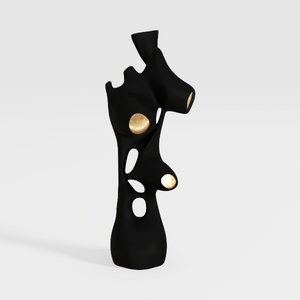
Minimalist Black Resin Abstract Sculpture Floor Decor 3D Model
FAQ
Q1: How can I maintain the industrial character without making the loft feel cold or uninviting?
Balancing raw industrial elements with softer finishes is key. Introduce textiles like rugs, cushions, and throws in warm, natural materials such as wool or linen to soften the hard surfaces. Use warm lighting instead of stark whites, and add elements of greenery to inject life. Combining metal and wood furniture alongside carefully curated decorative objects can help temper the coldness, creating a cozy yet authentic environment.
Q2: What furniture styles work best within a Brooklyn Loft layout?
Opt for mid-century modern or minimalist industrial-style pieces with clean lines that complement the loft’s architectural features. Modular sofas and open shelving units support spatial flow, while vintage or reclaimed wood tables add warmth. Avoid bulky or overly ornate furniture that can compete with the loft’s raw aesthetics. Focus on items with metal frames, leather upholstery, and exposed wood grains to reinforce the urban industrial vibe.
Q3: How do I effectively layer lighting in a loft with high ceilings and large windows?
Leverage natural light in the daytime by keeping window treatments minimal. Incorporate overhead fixtures like industrial-style pendant lamps for ambient lighting, coupled with adjustable task lights such as floor and desk lamps for work or reading areas. Accent lighting can be added via wall sconces or LED strips to highlight architectural features. Installing dimmers allows you to adjust brightness and create ambiance tailored to time and activity.
Built on technology originally developed at Autodesk, Homestyler empowers anyone to design beautiful, realistic spaces in minutes. Join over 18 million users who have already discovered a smarter way to plan, visualize, and bring their dream homes to life — all from the comfort of a browser.
Leverage Homestyler's AI-powered features to quickly generate professional interior design schemes.
Progetta ora GRATIS
































