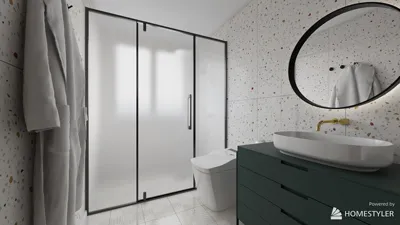


What is the core problem most commonly encountered in Boho Chic design?
The Boho Chic style most frequently suffers from aesthetic clutter and imbalance.
Quick Takeaways
1. Excessive layering of patterns can overwhelm spaces. 2. Inconsistent scale disrupts visual harmony. 3. Poor color coordination dilutes the intended relaxed vibe. 4. Ignoring natural textures leads to a lifeless feel. 5. Overmixing styles causes confusion over the theme.
Introduction
When I first embraced the Boho Chic aesthetic, its carefree charm quickly fascinated me. Yet, I soon discovered why many design enthusiasts stumble: the style’s very essence invites an intoxicating medley of color, texture, and cultural motifs that can easily become chaotic without careful curation. The challenge lies in balancing the richness and eclectic energy so the space remains inviting rather than overcrowded.
Why It Goes Wrong
Boho Chic falters primarily due to over-embellishment and conflicting elements that don’t achieve cohesive unity. This style’s allure is rooted in a relaxed yet purposeful blend of global influences, artisanal touches, and layered textures. However, when the layering becomes haphazard or proportions ignore spatial logic, the result is visual overload and lost authenticity.
Mistake 1: Excessive and Uncurated Layering
The Mistake: Piling on too many patterns, fabrics, and decor objects without a guiding principle creates sensory overload. Why It Happens: Enthusiasm for Boho’s eclectic roots tempts designers to combine every favorite element without restraint. The Fix: Limit the number of dominant patterns to three per room and use solid or neutral grounds to offset vivid details. Establish a rhythm with recurring motifs or colors to maintain harmony.
Mistake 2: Scale Imbalance Among Furniture and Decor
The Mistake: Inappropriate size relationships—oversized rugs clashing with small seating or tiny artifacts lost on grand shelves. Why It Happens: The desire to include diverse objects from various origins often ignores spatial proportions. The Fix: Measure and plan spatial arrangements. Choose one statement furniture piece per zone and complement it with appropriately scaled accessories to create balance.
Mistake 3: Clashing Rather Than Complementary Color Palettes
The Mistake: Using too many contrasting colors can disrupt the relaxed, inviting atmosphere Boho Chic is known for. Why It Happens: The style’s hallmark is vibrancy, so there’s temptation to add every rich hue encountered. The Fix: Select a base palette of three harmonious hues, enhanced by subtle accents. Incorporate earth tones to ground brighter shades and maintain calming warmth.
Mistake 4: Neglecting Authentic Natural Materials
The Mistake: Over-reliance on synthetic fabrics or imitations dilutes the tactile and visual impact of Boho Chic. Why It Happens: Synthetic materials are often more affordable or easier to source but lack texture richness. The Fix: Invest in raw cottons, wools, jute rugs, rattan furniture, and wood accents. They enhance the sensory depth essential to the style’s authenticity.
Mistake 5: Confusing Boho Chic With Other Styles
The Mistake: Overlapping Boho Chic with minimalism, industrial, or ultra-modern styles muddles the core identity. Why It Happens: The popularity of mixed styles encourages hybrid approaches but sometimes undermines coherence. The Fix: Stay true to Boho’s storytelling—embrace handcrafted elements, vintage finds, and ethnic patterns. If blending styles, do so deliberately with a clear transitional palette or design purpose.
Designing the Look
Homestyler’s ‘Boho Chic’ offers a comprehensive set of ready-to-use 3D models specifically curated to embody this aesthetic, allowing designers to achieve authentic results with professional-grade textures and forms.

Minimalist Solid Wood Fabric Woven Dining Chair 3D Model

Minimalist Hanging Planter with Artificial Floral Greenery 3D Model

Minimalist Concrete Potted Succulent and Stacked Books Decor 3D Model

Minimalist Solid Wood Cane Armchair 3D Model
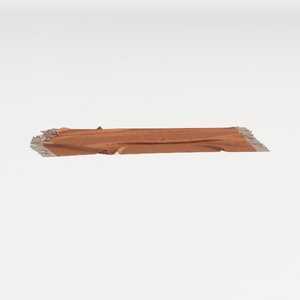
Minimalist Solid Wood Table Runner With Fringe Detail 3D Model

Mid-Century Solid Oak Wood Storage Coffee Table 3D Model
FAQ
Q: How can I introduce Boho Chic elements without making the room look cluttered?
Start by selecting one or two key Boho elements such as a patterned rug or woven wall hanging. Use these as focal points and complement them with neutral, solid-color furniture and clean-lined accessories. Limiting the palette and layering textures strategically prevents clutter while preserving Boho charm.
Q: Which colors best represent authentic Boho Chic style?
Boho Chic thrives on warm, earthy tones like terracotta, ochre, mustard, and olive green. These base hues can be paired with jewel tones like deep purples or cobalt blue as accents. Importantly, coordinating these colors in balanced proportions keeps spaces feeling inviting and vibrant rather than chaotic.
Q: Are vintage and handmade items necessary to achieve this aesthetic?
Yes, vintage and handmade pieces are central to Boho Chic’s identity because they convey history, individuality, and craftsmanship. Incorporating artisan textiles, handcrafted ceramics, and inherited decor enriches the space with narrative depth. However, seeking authentic reproductions or quality handmade alternatives also works for those on a budget.
Homestyler's roots trace back to Autodesk, the global leader in design and engineering software. That heritage lives on in every feature we build. Today, with a community of more than 18 million users worldwide, Homestyler continues to make professional-quality interior design accessible to everyone — from first-time decorators to seasoned architects.
Leverage Homestyler's AI-powered features to quickly generate professional interior design schemes.
تصميم الآن مجانا
































