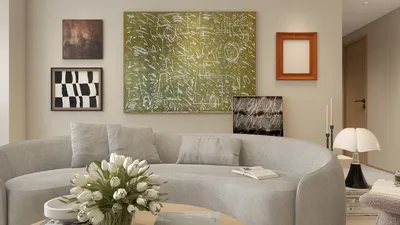


Boho Chic design presents a compelling challenge rooted in its embrace of eclecticism — the deliberate mixing of textures, patterns, and colors to evoke a sense of freedom and personal narrative. Unlike minimalism’s strict restraint or modernism’s streamlined uniformity, Boho Chic demands a balance between apparent disorder and cohesive comfort. This style thrives on the interplay of cultural influences, artisanal materials, and layered textiles, which can easily tip into visual chaos if not carefully curated. The core challenge lies in managing this rich complexity without sacrificing spatial harmony. Oversized furniture stacked with an abundance of cushions, rugs with contrasting prints, and a kaleidoscope of color palettes can quickly overwhelm a room, making it difficult to identify focal points or allow breathing space. Furthermore, the style puts a premium on handmade and vintage pieces, which are inherently unique and less predictable in proportion and scale. Navigating Boho Chic calls for acute sensitivity to texture, cultural symbolism, and the weight of decorative elements within a space. The designer must exercise intentionality, deciding where to place bursts of vivid pattern against blocks of neutral rest. Additionally, lighting must complement the tactile surfaces without washing them out or casting harsh shadows that disrupt the inviting atmosphere. This tension between abundance and balance defines Boho Chic’s identity and guides every design decision from furniture layout to accessory choice. Achieving authenticity means walking a fine line: welcoming complexity yet maintaining coherence, so that every element feels like a deliberate thread woven into a larger narrative tapestry rather than a random accumulation of objects.
Layout Logic — Spatial Proportion and Furniture Placement
The Boho Chic spatial arrangement requires careful orchestration of furniture scale and circulation paths to accommodate an eclectic array of seating and surfaces without overcrowding. Begin by anchoring the room with a sizable rug, ideally layered with smaller handwoven options, to delineate zones visually. Prioritize modular seating such as low sofas or floor cushions that can be easily rearranged, thus preserving flexibility. Avoid lining furniture flush against walls; instead, pull pieces slightly inward to create intimate gathering clusters that encourage relaxation. Position a statement armchair or vintage lounger where natural light hits, enhancing its artisanal textures. Incorporate open shelving or cubbies that showcase collections while preventing visual overload through negative space. When introducing eclectic furnishings, maintain consistency in scale—too many bulky pieces compete for attention and disrupt flow. Aim for contrast between heavier wood or leather items and airy rattan or wicker accents to balance solidity with lightness. Additionally, integrate multifunctional items such as ottomans with storage to maximize usability in more compact settings. Ultimately, circulation paths should be clear and inviting; allow at least 60 centimeters (24 inches) between furniture for comfortable movement. Layer furniture thoughtfully so that each piece contributes to both utility and atmosphere. This measured eccentricity creates harmony within Boho Chic’s signature vibrant complexity.
Light and Color — Tone Selection and Light Source Coordination
Boho Chic calls for a nuanced approach to lighting and color to amplify its textured layers and diverse materials. Begin with a warm, muted color palette grounded in earth tones such as terracotta, ochre, and sienna, punctuated by jewel-tone accents like sapphire blue or deep magenta for richness. Neutrals with warm undertones—creams, beiges, soft grays—serve as a balancing backdrop. Lighting must be layered: incorporate ambient, task, and accent lighting to highlight architectural details and artisanal finishes without creating glare. Use dimmable warm-toned LED bulbs to sustain a cozy glow, critical for evoking the inviting Bohemian ambiance. Pendant lights with woven rattan shades, Moroccan lanterns, or lamps crafted from natural materials contribute sculptural interest. Strategically place floor and table lamps near seating clusters to encourage relaxed conversation and reading. Introduce string lights or fairy lights in alcoves or over textiles to enhance whimsical charm subtly. Daylight should be filtered through light curtains or bamboo blinds to avoid harsh contrast while preserving brightness. Colors in textiles and wall coverings interact dynamically with light: velvet cushions shimmer differently than linen throws; zaamid rugs shift in hue as daylight moves. Test samples in both natural and artificial lighting throughout the day and evening to ensure harmonization. Thoughtful interplay between tone and illumination solidifies Boho Chic’s layered, lived-in aesthetic.
Finishing Touches — Small-Scale Accessories to Enhance Texture and Depth
Curating accessories for Boho Chic requires intentional layering that doesn’t tip into clutter. Begin with handcrafted ceramics and pottery featuring organic shapes and earthy glazes; these introduce subtle texture and tactile warmth. Incorporate macramé wall hangings and woven baskets to celebrate artisanal crafts and provide sculptural detail. Textiles are paramount: layer cushions and throws in a spectrum of fabrics—silk, linen, wool, and faux fur—to produce multidimensional softness. Mix patterns with coherent color schemes, such as embroidered florals with geometric ikat prints, to maintain cohesion within diversity. Add greenery through a variety of potted plants ranging from trailing pothos to sculptural succulents; their natural irregularity complements Boho’s free-spirited personality. Use mismatched vintage frames for gallery walls or display ethnic artifacts that tell personal or cultural stories. Incorporating metallic accents like aged brass candle holders or copper trays can punctuate texture layers while adding subtle glamour. Avoid over-accessorizing by grouping smaller objects on trays or shelves to create curated vignettes rather than scattered decoration. Careful choices in these details imbue Boho Chic spaces with personality and authenticity, ensuring each object resonates within the overall sensory narrative.
Designing the Look
For designers working in Homestyler, the Boho Chic is a practical shortcut to authenticity. it removes the guesswork from sourcing — every piece is pre-matched in scale, material, and proportion to deliver a coherent Boho Chic result.

Minimalist Solid Wood Fabric Woven Dining Chair 3D Model

Minimalist Hanging Planter with Artificial Floral Greenery 3D Model

Minimalist Concrete Potted Succulent and Stacked Books Decor 3D Model

Minimalist Solid Wood Cane Armchair 3D Model
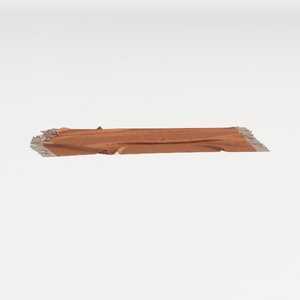
Minimalist Solid Wood Table Runner With Fringe Detail 3D Model

Mid-Century Solid Oak Wood Storage Coffee Table 3D Model
FAQ
Q1: How can I balance bold patterns in Boho Chic without making a room feel chaotic?
A1: Achieving pattern harmony involves limiting the palette to two or three dominant colors while mixing scales strategically. Pair large-scale prints with smaller, subtler patterns on accessories like cushions or rugs. Use solid color furniture or walls as a neutralizing base to anchor the visual composition. This careful calibration prevents overwhelming the senses while preserving vibrancy.
Q2: What lighting techniques best showcase the handcrafted elements typical of Boho Chic?
A2: Use layered lighting strategies—combine ambient light with adjustable task lamps and accent lighting to spotlight artisanal details such as textured wall hangings or pottery. Warm-toned LED bulbs preserve color fidelity and add intimacy. Incorporating lantern-style pendant lights or lanterns with patterned perforations also casts appealing shadows that enhance handcrafted aesthetics.
Q3: How should furniture be arranged in small living spaces styled in Boho Chic to avoid overcrowding?
A3: Prioritize multifunctional and flexible seating like poufs or floor cushions that can be moved freely. Use open shelving rather than bulky cabinets to keep walls visually open. Arrange furniture to create clearly defined conversation zones with minimum clearance of 24 inches for easy passage. Layer rugs and textiles vertically on walls or behind furniture to add depth without taking floor space.
Built on technology originally developed at Autodesk, Homestyler empowers anyone to design beautiful, realistic spaces in minutes. Join over 18 million users who have already discovered a smarter way to plan, visualize, and bring their dream homes to life — all from the comfort of a browser.
With Homestyler, you can design and visualize your living spaces online with stunning, realistic results.
Design Now for FREE
































