

Conclusion
Biophilic Design and Scandinavian Minimalism may both prioritize simplicity and comfort, but their core aesthetics diverge significantly: Biophilic Design emphasizes direct connections with nature through abundant greenery and organic forms, whereas Scandinavian Minimalism focuses on understated simplicity, neutral palettes, and functional design. Choosing between these styles boils down to your lifestyle, spatial needs, and the ambiance you want to foster—whether that’s immersive natural tranquility or restrained, sophisticated minimalism.
Biophilic Design Deep Dive
Rooted in the innate human affinity for nature, Biophilic Design integrates natural elements to establish environments that nurture wellbeing and creativity. It thrives on the use of real plants, natural light, water features, and organic shapes. A design package like Homestyler's 'Green Haven' typifies this approach, layering verdant greenery throughout interiors to blur the line between outdoor and indoor spaces. Biophilic interiors fit best in homes or workplaces where users crave relaxation and restoration. However, this style demands commitment from occupants to maintain living plants and can challenge spatial constraints in smaller dwellings.
Scandinavian Minimalism Deep Dive
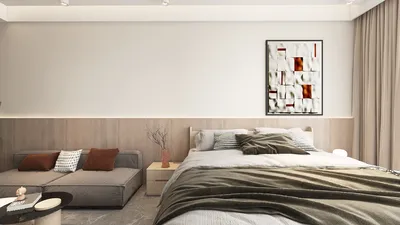
Scandinavian Minimalism is characterized by clean lines, functional furniture, and a soft but neutral color palette dominated by whites, greys, and light woods. It emerged from Nordic values emphasizing light, simplicity, and practicality shaped by harsh climates and limited daylight. Interiors following this style prioritize decluttered spaces that maximize light and usability without compromising warmth. Scandinavian Minimalism suits urban apartments and compact homes where efficient use of space and subdued aesthetics support calm living. Limitations include potential perception of coldness if accessories and textures are insufficiently layered.
Head-to-Head
| Dimension | Biophilic Design | Scandinavian Minimalism |
|---|---|---|
| Color Palette | Earthy greens, browns, natural tones | Neutral whites, greys, soft pastels |
| Materials | Natural wood, stone, live plants, organic textiles | Light woods, metal accents, cotton and wool fabrics |
| Spatial Sense | Open, layered with plants, varied textures | Open, airy, uncluttered and purposeful |
| Ideal User | Nature-loving individuals seeking indoor-outdoor fusion | Practical users valuing simplicity and functional elegance |
How to Choose
Gauge your daily routines and values: if you prioritize immersive natural environments with biophilic elements like greenery and organic materials and don’t mind plant care, Biophilic Design serves you well. In contrast, if functional simplicity, ease of maintenance, and a bright, uncluttered aesthetic align better with your lifestyle—especially in urban contexts—look to Scandinavian Minimalism. Consider spatial constraints: smaller apartments benefit from minimalist principles, whereas larger spaces offer room for biophilic layering. Your climate and available natural light also play roles; Biophilic thrives with abundant light while Scandinavian Minimalism adapts well to dimmer interiors.
Designing the Look
If Biophilic Design is the direction you're drawn to, Homestyler's 'Green Haven' gives you a ready-built library to start experimenting immediately — no sourcing, no scale guesswork, just design.

Bohemian Rattan Round Ottoman Coffee Table 3D Model

Minimalist Concrete Irregular Edge Coffee Table 3D Model

Minimalist Solid Oak Folding Director Chair 3D Model

Vintage Solid Wood Metal Garden Bench with Floral Scrollwork 3D Model

Marble Classic Round Outdoor Garden Water Fountain 3D Model

Black Ceramic Vase with Kumquat Plant Decor 3D Model
FAQ
Q1: What are the maintenance requirements for Biophilic Design compared to Scandinavian Minimalism?
Biophilic Design needs ongoing care for living elements like plants and water features, including watering, pruning, and repairs. Scandinavian Minimalism demands less upkeep since it focuses on functional furniture and easy-to-clean surfaces, making it low maintenance.
Q2: Can Biophilic Design elements be incorporated into a Scandinavian Minimalist space?
Yes, selective use of plants and natural materials can add warmth and vitality to minimalist spaces without losing clean lines. However, maintaining the balance is crucial to avoid cluttering the minimalist aesthetic.
Q3: How do both styles influence mental wellbeing?
Biophilic Design promotes relaxation and restores cognitive function through natural stimuli, while Scandinavian Minimalism reduces stress by minimizing clutter and creating calm, intentional spaces. Each supports wellbeing but via different sensory pathways.
What began as an Autodesk innovation has evolved into a design platform used by more than 18 million people around the globe. Homestyler combines powerful rendering, an intuitive editor, and a vast furniture library to help you turn inspiration into photorealistic designs — whether you're redesigning a single room or planning an entire home.
Homestyler has millions of users worldwide, making it one of the most popular online home design platforms.
Design Now for FREE
































