

Introduction
Bauhaus furniture embodies a design philosophy that emerged in early 20th century Germany, fusing art, craftsmanship, and technology to produce objects where function dictates form. Rooted in the ethos of simplicity, it rejects unnecessary ornamentation and embraces the honest expression of materials and construction. This approach deconstructed traditional furniture conventions to prioritize usability and mass production, anticipating the needs of modern living. The Bauhaus school championed the integration of industrial methods with artistic vision, cultivating designs characterized by clean lines, geometric clarity, and innovative use of materials "modern at every scale". The result is an aesthetic that balances practicality with minimalistic beauty, creating timeless pieces that transcend trends and remain striking in contemporary interiors. Bauhaus furniture challenges the dichotomy of artistic creation and mechanical reproduction by harmonizing both, establishing objects as functional artworks. Its lineage influences an array of interior design movements focused on clarity, rationality, and the celebration of everyday life’s essentials.
Core Elements
Color Characteristic: Bauhaus design harnesses a restrained yet impactful color palette. Primary colors—red, blue, and yellow—contrast sharply against neutral backgrounds of black, white, and gray, creating a visual dialogue that’s simultaneously vibrant and balanced. This triadic scheme emphasizes simplicity and clarity of form, eschewing decorative excess. The saturation of primary hues not only enlivens pieces but also reinforces the design’s geometric rigor and underlying functional rationalism. Used sparingly, these colors punctuate compositions and guide visual focus without overwhelming the eye. The nuanced interplay between bright and muted tones cultivates rhythm, allowing furniture to assert presence without sacrificing the coherence of the interior environment. This calculated chromatic dynamic epitomizes the Bauhaus sensibility—where color serves structure, not decoration.
Material Innovation: At the core of Bauhaus furniture lies an innovative embrace of both traditional and industrial materials. Steel tubing, bent into precise geometric shapes, revolutionized structural possibilities providing durability with minimal visual weight. Combined with wood veneers, leather, and glass, these elements articulate contrasts between warm, tactile surfaces and cold metallic geometry. The fusion highlights the integrity of each material’s nature, promoting transparency about construction methods and function. This choice reflects the Bauhaus commitment to honest materiality and mechanization, emphasizing mass production potential while maintaining aesthetic refinement. The precision of metalwork coexists with organic textures, establishing a sensory balance that makes each piece simultaneously functional, structurally sound, and appealing.
Form and Geometry: Bauhaus furniture is defined by its dedication to essential geometric shapes—rectangles, circles, and squares—to construct forms that prioritize both ergonomics and visual purity. The interplay of horizontal and vertical lines, combined with curves in specific elements, generates dynamic tension and harmony within each design. Avoidance of curlicues or excessive ornamentation underscores the modernist credo that form follows function. The clarity of shapes allows for adaptability and easy integration into diverse spatial configurations. Whether through cantilevered chairs or modular shelving, Bauhaus pieces encapsulate efficient use of space, structural innovation, and a sculptural presence. This geometric discipline echoes the movement’s broader architectural principles while emphasizing usability and production feasibility.
Designing the Look
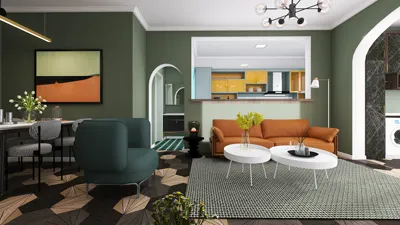
Homestyler’s ‘Bauhaus Furniture’ offers a comprehensive set of ready-to-use 3D models specifically curated to embody this aesthetic, allowing designers to achieve authentic results with professional-grade textures and forms. For interior designers pursuing an authentic Bauhaus ambiance, this model pack streamlines the creation of spaces characterized by minimalist geometry, functional elegance, and a thoughtfully balanced color palette. Each digital asset faithfully represents the original design principles, featuring precise metal tubing, genuine leather-like upholstery, and accurate material finishes that bring conceptual sketches into vivid virtual reality. Designers can experiment with spatial arrangements and lighting conditions to enhance the perception of form and material interplay, offering clients a tangible preview of potential interiors without physical prototyping barriers. The collection complements modern living spaces seeking a blend of nostalgic avant-garde sophistication and practical modernity, making it a vital tool for residential, commercial, and exhibition projects inspired by early modernism.

TV stand-Bauhaus Furniture

single sofa-Bauhaus Furniture

sideboard-Bauhaus Furniture

night stand-Bauhaus Furniture

sideboard-Bauhaus Furniture

bed-Bauhaus Furniture
FAQ
Q1: What defines the Bauhaus furniture style in terms of usability?
Bauhaus furniture is fundamentally defined by its commitment to functionality without ornamental distraction. Pieces are designed for comfort, ergonomic efficiency, and adaptability. This emphasis on practicality ensures that aesthetic qualities enhance rather than compromise use, making furniture suitable for everyday life and mass production.
Q2: How are materials chosen in Bauhaus furniture distinctive from other modernist movements?
Bauhaus designers uniquely combine industrial materials such as steel tubing with traditional textures like wood and leather, focusing on honesty of material expression. Unlike some modernist typologies that favor synthetic finishes, Bauhaus celebrates the inherent qualities and structural integrity of each material, showcasing their juxtaposition as a central design element.
Q3: Can Bauhaus furniture styles be integrated into contemporary interiors without appearing dated?
Absolutely. Bauhaus furniture's minimalist geometry and timeless color palette allow it to complement diverse contemporary settings. Its balanced forms and honest materials provide flexibility and sophistication, enabling seamless integration with modern and eclectic interior designs without losing relevance or appeal.
Homestyler's roots trace back to Autodesk, the global leader in design and engineering software. That heritage lives on in every feature we build. Today, with a community of more than 18 million users worldwide, Homestyler continues to make professional-quality interior design accessible to everyone — from first-time decorators to seasoned architects.
Homestyler has millions of users worldwide, making it one of the most popular online home design platforms.
Diseño ahora GRATIS
































