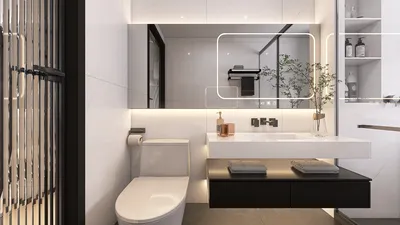


The Bauhaus aesthetic confronts the tension between pure functionalism and artistic expression, insisting on a union where beauty serves utility without superfluity. Central to this style is the challenge of erasing ornamental excess while maintaining warmth and human scale. Achieving this balance necessitates a rigorous approach to form, where each element is deliberate, harmonious, and integral to the structure of the space. The design challenge lies in crafting interiors with geometric clarity yet inviting ambiance, reconciling industrial materials and minimalist forms with everyday comfort. Emphasizing the maxim "form follows function," Bauhaus demands that furniture and architecture unite in clean lines and practical usability, yet this austerity risks sterility unless thoughtfully curated. Addressing this challenge involves an artful orchestration of spatial dynamics, material contrasts, and restrained embellishments. Designers must avoid clutter by embracing multifunctional pieces and open layouts that maximize usability without visual noise. The aesthetic thrives on truth to materials—steel, glass, wood—expressed plainly rather than disguised, creating environments that suggest transparency and structural integrity. Color palettes are pared down to primary tones and neutrals, anchoring the space while introducing subtle vibrancy to avoid monotony. Lighting schemes enhance architectural features and materials rather than overpower them with decorative fixtures. This stylistic philosophy translates into a disciplined yet flexible framework guiding every design choice. From the macro scale of room proportions to the micro detail of knobs and lamp shades, Bauhaus insists on purposeful simplicity. Navigating between rigid functionalism and inviting modernity, the core design challenge is crafting spaces that are simultaneously efficient and humane—spaces that do not merely exhibit a style but embody an ideology of design as a tool for better living.
Step 1: Layout Logic — Spatial Proportion & Furniture Placement
A precise understanding of spatial proportion is integral to successful Bauhaus interiors. Begin by analyzing the room’s dimensions and natural flow to allocate zones that align with functional needs without clutter. Highlight architectural geometry — lengths, widths, and heights — to support the characteristic clean lines of the style. Employ grid-based planning to organize furniture, ensuring visual balance and practical circulation paths. Choose furniture pieces that adhere to geometric rigor with clean profiles and functional intent. Avoid unnecessary ornamentation; instead, select streamlined forms like tubular steel chairs or rectangular modular sofas. Maintain adequate spacing around furniture for unimpeded movement — minimum clearances of 45-60 cm between seating and tables are advisable to prevent congestion. Implement built-in storage or minimalistic wall-mounted units to preserve floor space and enhance openness. Position larger furniture items such as sofas against walls to open central areas, supporting the style’s emphasis on spatial clarity. Encourage symmetrical or intentional asymmetrical arrangements that echo the Bauhaus pursuit of visual harmony through form and repetition. Consider multifunctional elements—benches with storage, nesting tables—to maximize usability while retaining simplicity. This step focuses on orchestrating spatial geometry and furnishing patterns that embody the functional yet aesthetic demands of Bauhaus, creating an environment where each piece complements the structural rhythm of the room.
Step 2: Light and Color — Tone Selection & Light Source Coordination
Light and color choices directly influence the atmosphere and clarity of Bauhaus interiors. Start by selecting a restrained color palette of primary colors—red, blue, yellow—balanced by white, black, and gray neutrals. Use these tones strategically: walls may remain neutral to underscore architectural lines while furniture and accessories provide pops of color. Incorporate materials that reflect or diffuse light softly, such as frosted glass or matte surfaces, to avoid glare and harsh contrast. Position light sources to accentuate structural elements and textures: linear LED strips highlight clean edges, while adjustable spotlights can focus attention on functional decor pieces. Natural daylight should be maximized through large windows with minimal treatments like sheer curtains or blinds. For artificial lighting, prioritize fixtures with geometric forms—think pendant lamps with cylindrical shades or angular floor lamps incorporating metal tubes. Layer lighting in zones to reflect the “form follows function” tenet: ambient light for general uses, task lighting for work areas, and accent lights to introduce depth without distorting the purity of surfaces. Avoid ornate chandeliers or decorative lampshades that undermine the simplicity and clarity fundamental to the Bauhaus style. By consciously controlling color and light interplay, you sculpt the interior’s mood and legibility, marrying warmth and starkness in a visual dialogue intrinsic to Bauhaus philosophy.
Step 3: Signature Details — Curated Small-Scale Elements to Enhance Texture
Bauhaus interiors are distinguished by meticulously chosen small elements that amplify the overall coherence without disrupting simplicity. Introduce decor with geometric patterns—square planters, cylindrical vases, or abstract sculptures—that resonate with the functionalist ethos. Select materials consistent with the broader palette and finish: polished chrome, brushed steel, smooth wood grain, or glass. Avoid overly ornate or handmade-looking items; instead, seek out industrially inspired objects that reflect the style’s precision and mass production heritage. Textiles can reinforce structure through repetition of shapes in cushions or rugs, favoring tight weaves and bold color blocking rather than texture-heavy or patterned fabrics. Lighting controls, drawer handles, and switch plates should be minimalist with clean edges, ideally matching metal or wood tones already present. Incorporate iconic Bauhaus pieces or replicas that embody the movement’s design principles—such as tubular steel chairs or geometric light fittings—to act as focal points that tie the space together. Each accessory must serve the dual purpose of utility and form, reinforcing the style’s insistence on design as a purposeful tool. By curating these details meticulously, you imbue the interior with a tactile rhythm and subtle sophistication, achieving a polished yet understated presence characteristic of Bauhaus living environments.
Designing the Look
For designers working in Homestyler, the Bauhaus Aesthetic is a practical shortcut to authenticity. It removes the guesswork from sourcing — every piece is pre-matched in scale, material, and proportion to deliver a coherent Bauhaus result.

Modern Leather Brass Metal Lounge Chair with Attached Side Table 3D Model
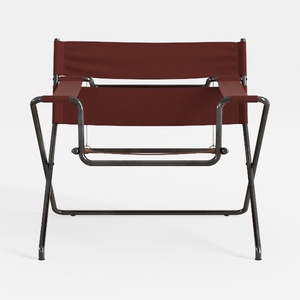
Modern Minimalist Metal Fabric Folding Armchair 3D Model

Modern Silver Metal Black Shelved Rolling Utility Cart 3D Model

Modern Minimalist Red Leather Metal Armchair 3D Model
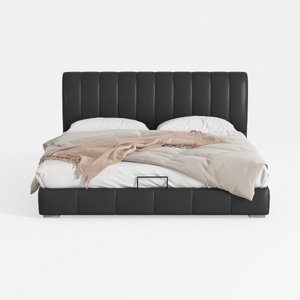
Modern Black Leather Upholstered Tufted King Size Bed 3D Model

Modern Walnut White Metal Mobile Storage Cabinet Rolling Sideboard 3D Model
FAQ
Q1: How can I ensure furniture proportions suit a Bauhaus layout without overcrowding the space?
Focus on modular, multipurpose furniture with clean lines and measure spatial clearances rigorously. Use grid-based layout planning to maintain balanced circulation zones and avoid visual clutter by limiting the number of pieces to essentials.
Q2: What lighting strategies best complement the Bauhaus emphasis on form and function?
Opt for layered lighting with clear geometric forms. Use daylight to emphasize openness, supplemented by adjustable task lighting for flexibility. Avoid decorative, intricate fixtures; choose fixtures that serve their lighting purpose while reinforcing architectural lines.
Q3: How do I select accessories that enhance Bauhaus interiors without violating the minimalist principle?
Choose small-scale accessories with industrial materials and geometric shapes. Prioritize utility combined with simple beauty, such as streamlined vases or functional art objects, steering clear of ornamental or excessively textured items.
Built on technology originally developed at Autodesk, Homestyler empowers anyone to design beautiful, realistic spaces in minutes. Join over 18 million users who have already discovered a smarter way to plan, visualize, and bring their dream homes to life — all from the comfort of a browser.
Homestyler offers a vast library of furniture and decoration materials to meet all your design needs.
Design Now for FREE
































