

Conclusion
Baroque Splendor and Modern Minimalism represent two fundamentally different philosophies in interior design — one indulgent, ornate, and highly decorative; the other restrained, functional, and emphasizing simplicity. Choosing between them boils down to whether you are drawn to rich historical luxury or sleek contemporary clarity. Both have distinct spatial, material, and emotional impacts that influence both the experience of the user and the personality the space conveys. This choice is often a balance between visual abundance and visual calm, making the decision critical to not just aesthetics but lifestyle compatibility.
Baroque Splendor Deep Dive
Baroque Splendor captures the essence of 17th- and 18th-century European grandeur with heavy ornamentation, embellished details, and luxurious materials. Characterized by intricate carvings, gilded finishes, ornate moldings, and rich, saturated colors such as deep gold, emerald green, and royal burgundy, it creates spaces that feel regal and opulent. This style thrives in formal settings like parlors, grand dining rooms, or boutique hotels seeking historical narrative and drama. Yet, it requires careful spatial management to avoid overwhelming small or poorly lit rooms, as the detail density can create visual clutter and a sense of confinement.
Modern Minimalism Deep Dive
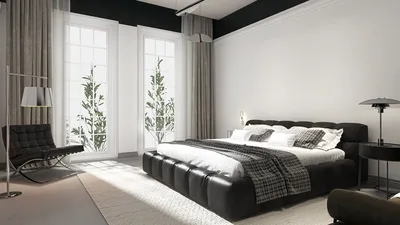
Modern Minimalism champions 'less is more' through clean lines, open floor plans, and a muted color palette dominated by whites, greys, and blacks with occasional natural wood accents. It prioritizes function with furniture and decor that serves a practical purpose without excess. This style suits urban apartments, offices, and contemporary homes where openness and light are essential. Its restrained approach enhances spatial clarity but may risk feeling cold or impersonal if warmth is not introduced through texture or accent pieces. Minimalism requires discipline in editing possessions and decor to maintain its characteristic uncluttered look.
Head-to-Head
| Dimension | Baroque Splendor | Modern Minimalism |
|---|---|---|
| Color Palette | Rich jewel tones, golds, deep reds | Neutral shades, monochromatic schemes |
| Materials | Heavy woods, velvet, marble, gilt | Glass, metal, light wood, concrete |
| Spatial Experience | Intimate, ornate, visually detailed | Open, airy, uncluttered |
| Target Audience | Lovers of history, art, and grandiosity | Advocates of simplicity, practicality, and modernity |
How to Choose
Begin by assessing your lifestyle and goals for the space. If you favor a tactile, visually rich environment that sparks nostalgia and elegance, Baroque Splendor aligns well — especially in homes with generous square footage and high ceilings. Conversely, if you prioritize utility, light, and spaciousness, Modern Minimalism is more fitting, particularly in urban or compact settings. Consider your maintenance willingness as ornate Baroque elements require upkeep whereas Minimalism demands constant decluttering. Functionally, select Baroque for formal or ceremonial contexts and Minimalism for daily living areas or collaborative workspaces.
Designing the Look
If Baroque Splendor is the direction you're drawn to, Homestyler's 'Baroque Splendor' gives you a ready-built library to start experimenting immediately — no sourcing, no scale guesswork, just design.

Vintage Carved Solid Wood Wardrobe Ornate Detailed Design 3D Model

French Style Blue Velvet Tufted Solid Wood King Bed 3D Model

Vintage Solid Oak Wood Bookshelf with Decorative Details 3D Model

side table-Baroque Splendor

Vintage Ornate Framed Classical Oil Painting Wall Art 3D Model

Vintage Crystal Metal Chandelier 3D Model
FAQ
Q1: How does Baroque Splendor impact natural lighting compared to Modern Minimalism?
Baroque Splendor's heavy textiles, dense furniture, and layered decor tend to absorb and soften natural light, creating intimate, moodier spaces. Modern Minimalism embraces natural light to amplify openness, using sheer materials and reflective surfaces to enhance brightness and spatial perception.
Q2: Can Baroque Splendor be adapted for smaller spaces?
While challenging, Baroque Splendor can be adapted by focusing on statement pieces rather than overwhelming the entire space. Use scaled-down ornate furniture and limit color intensity to keep the room from feeling cramped.
Q3: What maintenance differences should be expected between the two styles?
Baroque Splendor requires more upkeep due to intricate details, delicate finishes, and luxurious fabrics needing regular care. Modern Minimalism’s simplicity eases cleaning but demands consistent organization to maintain its uncluttered look.
Homestyler's roots trace back to Autodesk, the global leader in design and engineering software. That heritage lives on in every feature we build. Today, with a community of more than 18 million users worldwide, Homestyler continues to make professional-quality interior design accessible to everyone — from first-time decorators to seasoned architects.
Homestyler offers a vast library of furniture and decoration materials to meet all your design needs.
立即免费设计
































